
The Centennial State Snowboarder: Your Ultimate Guide to Riding in Colorado
The air was thin, cold, and electric. I remember stepping off the plane in Denver for my first Colorado snowboard trip, feeling a mix of excitement and high-altitude giddiness. But the real magic happened a few days later. After a foot of fresh snow overnight, I dropped into Sun Up Bowl at Vail. The snow wasn’t just powder; it was different. It was lighter, drier, almost effervescent. They call it “Champagne Powder,” and in that moment, floating through weightless turns under a brilliant blue sky, I finally understood. Colorado isn’t just a place to snowboard; it’s a pilgrimage.
Welcome to your definitive guide to snowboarding in Colorado. Whether you’re a seasoned pro chasing epic lines or a first-timer looking for the perfect place to learn, this state has it all. We’re going to break down the legendary resorts, the gear you’ll need for the unique conditions, and the insider tips that will make your trip unforgettable. This isn’t just a list; it’s a roadmap to your next great adventure, born from countless days exploring these incredible mountains.
WHY COLORADO? THE SECRET INGREDIENTS OF A SNOWBOARDING MECCA
What makes Colorado the epicenter of North American snowboarding? While it competes with other amazing places on our list of the best snowboarding destinations, Colorado’s magic comes down to a few key factors.
- The Snow Quality: Colorado’s high altitude and dry, continental climate are the perfect recipe for incredibly light, low-moisture-content snow. This “Champagne Powder®” (a term actually trademarked by Steamboat) is a dream to ride, offering a floaty, forgiving feel that’s hard to find anywhere else.
- The sheer Variety: From the mega-resorts of the I-70 corridor to the soulful, local-vibe mountains, there are over 25 resorts to choose from. You can ride perfectly sculpted terrain parks, vast open bowls, tight glades, and steep alpine chutes, all within a few hours of each other.
- The Sunshine: Despite getting tons of snow, Colorado is famous for its “bluebird” days. The state averages around 300 days of sunshine a year, meaning you’re likely to score those perfect conditions: fresh powder and bright blue skies.
- The Snowboard Culture: Snowboarding is deeply embedded in Colorado’s DNA. Some of the sport’s pioneers, like Jake Burton Carpenter, set up shop here, and the state continues to be a hub for innovation, pro riders, and a passionate community that lives and breathes the sport.
Colorado Snowboarding by the Numbers
Colorado Snowboarding Month-by-Month: When to Go
Understanding the Colorado snow season is critical to planning a successful trip. The season typically runs from mid-November through mid-April, but the character of the snow and the crowd levels change dramatically month by month. Here’s a detailed breakdown to help you time your visit perfectly.
| Month | Conditions | Crowd Level | Best For | Avg. Snowfall |
|---|---|---|---|---|
| November | Early season, variable coverage, base building | Low | Budget travelers, terrain parks opening | 20-30″ |
| December | Winter sets in, regular storms, holiday crowds | High (holidays) | Holiday atmosphere, early powder days | 25-35″ |
| January | Deep winter, coldest temps, consistent snow | Moderate | Powder hounds, backcountry touring | 30-40″ |
| February | Peak snowfall, coldest month, deepest base | Moderate | Powder riding, long bowls, expert terrain | 30-45″ |
| March | Prime conditions, storm cycles + bluebird days | Moderate-High | All-around best month, mixed conditions | 25-35″ |
| April | Spring corn snow, warming temps, soft snow | Low | Spring skiing, warm-weather riding, late deals | 15-25″ |
| May-June | Late season at high-altitude resorts only | Very Low | A-Basin summer sessions, corn snow | 5-15″ |
Insider Tip: The “Sweet Spot” Window
The third week of February through the second week of March is what locals call the “sweet spot.” The snow base is at its deepest, the resorts are fully open (including expert terrain), and you still have a high probability of catching a storm cycle. Plan your trip around this window for the best overall experience.
A RESORT FOR EVERY RIDER: NAVIGATING COLORADO’S BEST
Choosing a resort can be daunting. The best way to think about it is by what kind of rider you are and what experience you’re looking for. Let’s break down the heavy hitters.
For the Park Rat & Freestyle Fanatic: Breckenridge & Keystone
Breckenridge: Go Big or Go Home
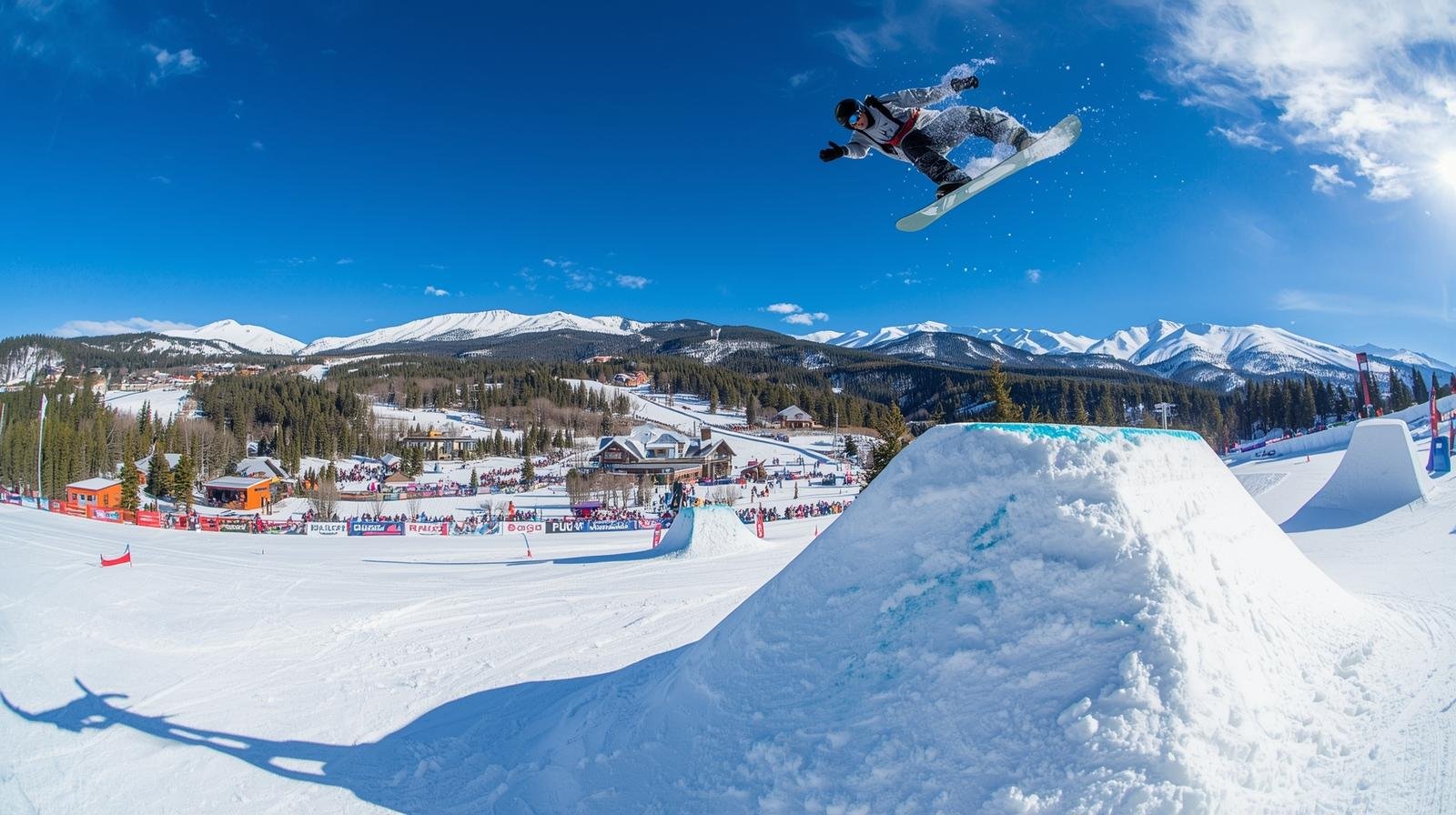
“Breck” is a freestyle institution. Its Freeway Terrain Park on Peak 8 is where pros come to train and film. We’re talking massive, perfectly sculpted jumps and a 22-foot superpipe. But what I love about Breck is its progression. It’s not just for the pros. They have smaller parks and features spread across the mountain, so you can work your way up. Beyond the park, the high-alpine terrain on the Imperial Express SuperChair (North America’s highest lift) offers some of the most stunning views and challenging bowl riding in the state.
Keystone: Night Laps & Creative Jibs
Just down the road from Breck is Keystone, home to the legendary A51 terrain park. A51 is consistently ranked among the best in the country for its creative features and flawless maintenance. The real game-changer here is night riding. Keystone has one of the largest night skiing operations in Colorado, meaning you can take park laps under the lights long after other resorts have closed. It’s a surreal experience and a must-do for any park rider.
Pros
- World-class terrain parks for all levels.
- Breck’s incredible high-alpine terrain.
- Keystone’s epic night riding.
- Vibrant, youthful atmosphere and nightlife.
Cons
- Can get extremely crowded, especially on weekends.
- Breckenridge is known for its strong winds and cold temps.
- The base area at Keystone can feel a bit sprawling.
For the Luxury Seeker & Bowl Connoisseur: Vail & Aspen Snowmass
Vail: The King of a Thousand Lines
Vail is, in a word, vast. At over 5,300 acres, it’s one of the largest resorts in the country. While the front side offers miles of immaculate groomers, the real soul of Vail lies in its legendary Back Bowls. On a powder day, dropping into Sun Up, Sun Down, or China Bowl is a religious experience. Seven bowls of wide-open, intermediate-to-expert terrain give you endless opportunities to find your own private powder stash. It’s an empowering feeling that few mountains can replicate. After a long day, the heated streets of Vail Village offer world-class dining and shopping.
Aspen Snowmass: Four Mountains, One Pass
Aspen isn’t just one resort; it’s a complex of four distinct mountains. Snowmass is the giant, with terrain for everyone. Aspen Mountain (Ajax) drops right into town and has no green runs—it’s all about steep groomers and bumps. Aspen Highlands is the local’s favorite, famous for the grueling but rewarding hike up to the Highland Bowl. And Buttermilk is the mellow, beginner-friendly mountain that also happens to host the X Games. The sheer variety is unmatched, and the towns of Aspen and Snowmass offer a level of sophistication and culture you won’t find anywhere else. While it’s a global hotspot, it’s not as inaccessible as you might think and can even be compared to some top European ski resorts in terms of scale and amenities.
For the Soul Rider & Steeps Chaser: Arapahoe Basin & Loveland
Arapahoe Basin: The Legend
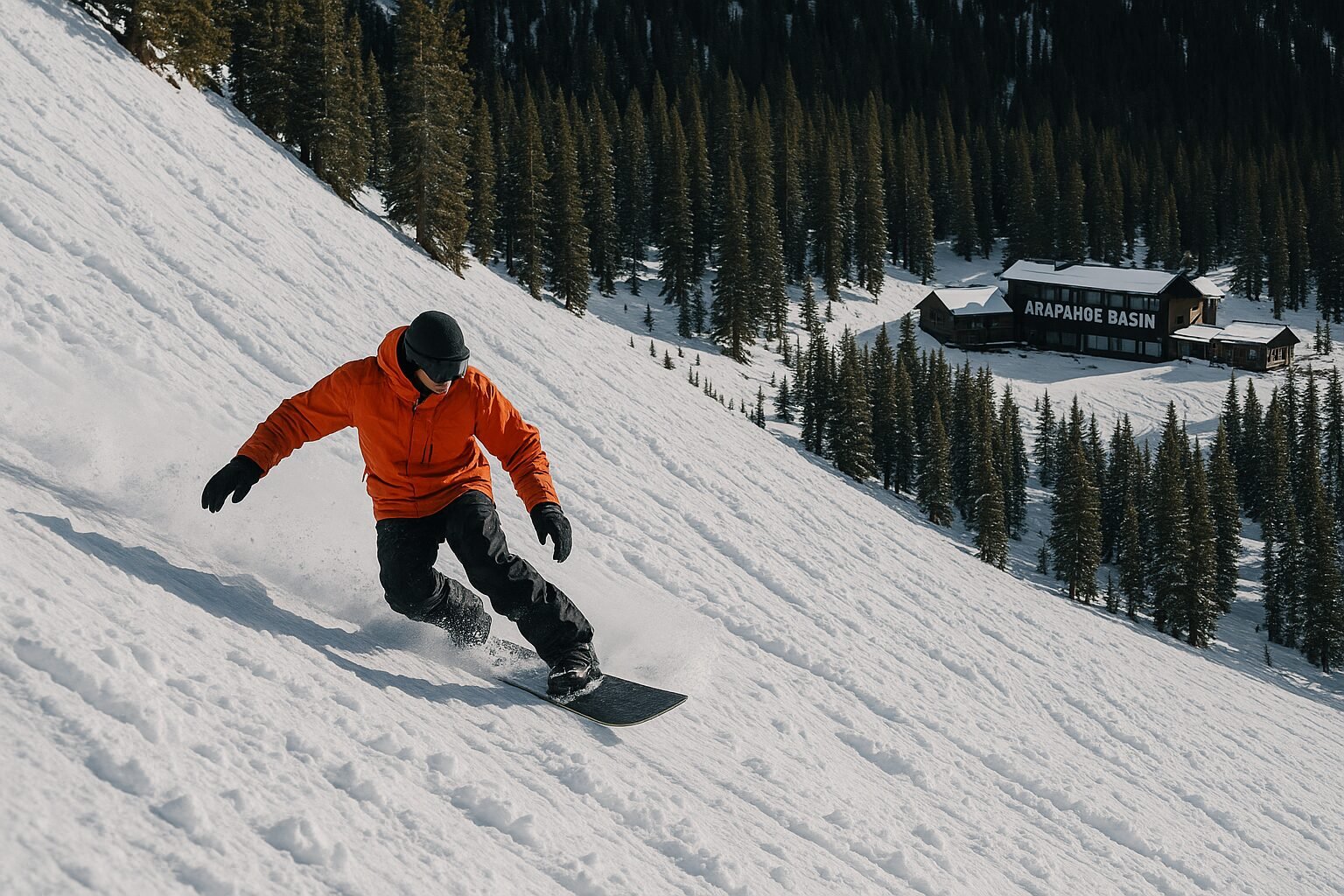
“A-Basin” is a Colorado icon. It’s steep, high (the summit is 13,050 feet), and has a raw, unpretentious vibe. There are no fancy villages here; the base area is a parking lot known as “The Beach” where locals grill and hang out. The riding is all about the expert terrain. The East Wall is a legendary hike-to zone with some of the gnarliest in-bounds chutes in the state. A-Basin also has one of the longest seasons, often staying open until June or even July. It’s a place for serious riders who are there for the mountain, not the frills.
Loveland Ski Area: The Local’s Gem
Sitting right on the Continental Divide, Loveland is often the first resort to open and the last to close. It gets hammered with snow and offers incredible, wide-open high-alpine riding off The Ridge. You can take a free snowcat up to access terrain that feels like the backcountry but with the safety of patrol. Loveland has a fiercely independent spirit, and the lack of on-mountain lodging keeps the crowds down and the prices reasonable. It’s a pure, simple snowboarding experience.
Hidden Gems: Colorado’s Best-Kept Secrets
While the big-name resorts get all the attention, some of the best snowboarding in Colorado happens at lesser-known mountains. These hidden gems offer shorter lift lines, lower prices, and a more authentic local experience. If you want to escape the I-70 traffic and resort crowds, these are your answer.
Wolf Creek: The Snowiest Resort in Colorado
Nestled in the remote San Juan Mountains of southwestern Colorado, Wolf Creek holds the distinction of receiving the most snowfall of any resort in the state—averaging over 430 inches per year. Despite this staggering number, it remains blissfully uncrowded. The terrain is a wonderful mix of intermediate groomers and expert chutes, with a friendly, family-owned atmosphere. Getting there requires commitment—it’s a 4-hour drive from Denver—but the payoff is immense. On a powder day at Wolf Creek, you’ll feel like you’ve discovered a secret world.
Crested Butte: The Last Great Ski Town
Crested Butte bills itself as “The Last Great Ski Town,” and it’s not wrong. The town is funky, colorful, and fiercely independent. The mountain itself is a paradise for advanced riders, with legendary extreme terrain like the North Face and the snowfields off the top. But it also has plenty of groomed intermediate runs and a fantastic learning area. The lack of a mega-resort atmosphere means you’re riding alongside cowboys and college kids, not corporate tourists. It’s authentic Colorado at its finest.
Purgatory: The San Juan Jewel
Also located in the San Juan Mountains near Durango, Purgatory (locals still call it “Purg”) offers incredible terrain with a fraction of the crowds you’ll find on the I-70 corridor. The mountain has an impressive variety: long groomers, steep chutes, gladed tree runs, and the famous Paranoid Peaks for expert riders. The town of Durango is a gem in itself, offering a historic downtown, great restaurants, and the famous Durango & Silverton Narrow Gauge Railroad. It’s the perfect base for a snowboarding trip that’s about more than just the mountain.
Steamboat Springs: Where the Cowboys Ride
Steamboat is unique in the Colorado landscape. Known for its “Champagne Powder®” and genuine Western heritage, it’s a place where you’re just as likely to run into a rancher as a tech bro. The mountain is huge—nearly 3,000 acres—with a great mix of terrain. Tree riders will be in heaven in the legendary Rendezvous Saddle and Shadows areas, while families will love the wide, groomed runs on the front side. The natural hot springs in town are the perfect way to end a day of riding. Steamboat also has a dedicated sledding hill and tubing park, making it one of the best snowboarding resorts for families.
Winter Park: Denver’s Backyard Mountain
Winter Park is the closest major resort to Denver, making it an incredibly convenient option for day trips or quick getaways. Don’t let its proximity fool you—Winter Park is a legitimate mountain with over 3,000 acres of terrain. The Jane side is legendary for its steep, mogul-filled runs and expert terrain, while the Winter Park side offers a more relaxed, family-friendly experience. The new gondola connection has made getting between the two sides seamless. If you’re looking for a quick, high-quality snowboarding session without the hassle of a long drive, Winter Park is unbeatable.
Perfect for First-Timers!
If you’re new to the sport, Colorado has you covered. Resorts like Beaver Creek and Copper Mountain are fantastic places to learn, with world-class snowboard schools and tons of gentle, perfectly groomed terrain. They offer a less intimidating environment than the expert-focused mountains. For a full breakdown of the best places to start your journey, check out our guide to snowboarding resorts for beginners.
GEARING UP FOR THE HIGH ALTITUDE: A COLORADO-SPECIFIC KIT
The conditions in Colorado demand the right gear. The intense sun, cold temperatures, and varied terrain mean you need to be prepared.

Oakley Flight Deck Goggles w/ Prizm Lenses
Colorado sun is no joke. The UV is intense at altitude. Oakley’s Prizm lenses are game-changers for enhancing contrast in bright light and flat light. A good pair of goggles is your most important piece of safety gear after a helmet. See more in our guide to the best snowboard goggles.
Check Price on Amazon
CAPiTA Defenders of Awesome Snowboard
You can encounter powder, groomers, and park features all in one run in Colorado. The D.O.A. is the quintessential “quiver killer.” Its hybrid camber profile gives you pop and edge hold while remaining forgiving and floaty enough for powder days. It’s the perfect daily driver for Colorado’s varied terrain.
Check Price on Amazon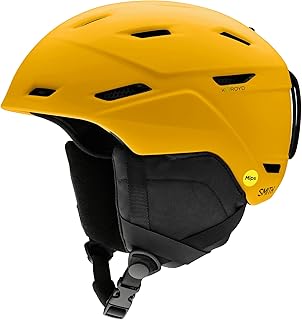
Smith Mission MIPS Snow Helmet
A helmet is non-negotiable. The Smith Mission offers top-tier MIPS protection for rotational impacts, along with adjustable venting to dump heat on warm spring days or lock in warmth during a storm. For more options, browse our guide to the best snowboard helmets.
Check Price on AmazonDon’t forget about your other essentials! A comfortable, responsive pair from our list of the best snowboard boots will keep your feet happy, and a padded travel case from our review of the best snowboard bags will ensure your gear arrives in one piece.
Your Complete Colorado Snowboarding Gear Checklist
Packing for a Colorado snowboard trip requires a bit more thought than a trip to sea-level resorts. The high altitude means thinner air, more intense sun, and temperature swings that can be extreme. Here’s a comprehensive checklist to make sure you’re prepared for anything the mountain throws at you.
The Layering System: Your Secret Weapon
Colorado’s temperature swings can be dramatic. You might start the morning at -5°F and end the afternoon at 35°F. The key is a three-layer system: a moisture-wicking base layer (merino wool or synthetic), an insulating mid-layer (fleece or light puffy), and a waterproof/windproof shell. This lets you add or remove layers as conditions change throughout the day.
- Snowboard (all-mountain recommended for Colorado)
- Bindings (matched to your boot size and riding style)
- Snowboard Boots (broken in before your trip!)
- Helmet (MIPS protection strongly recommended)
- Goggles (with low-light and bright-light lenses)
- Base Layer Top & Bottom (merino wool or synthetic)
- Mid-Layer Fleece or Puffy
- Waterproof Jacket (with underarm vents)
- Waterproof Pants (with side-zip vents)
- Gloves or Mittens (waterproof, insulated)
- Snowboard Socks (one pair per day, merino wool)
- Neck Gaiter or Balaclava (essential for cold days)
- Sunscreen SPF 50+ (reapply every 2 hours at altitude)
- Lip Balm with SPF
- Hand & Toe Warmers (chemical activated)
- Goggle wipes or anti-fog cloth
- Small backpack (for backcountry or big mountain days)
- Water bottle or hydration pack
- Snowboard tool & spare parts
- Backcountry gear (beacon, shovel, probe if venturing out)
Mastering the Layering System for Colorado Conditions
One of the biggest mistakes snowboarders make when visiting Colorado is underestimating the temperature variability. At 10,000+ feet, the sun is incredibly intense, but the shade can be bone-chillingly cold. The wind on exposed ridges can drop the wind chill by 20-30 degrees in seconds. Here’s how to build a layering system that keeps you comfortable in all conditions:
Base Layer: The Foundation
Your base layer sits directly against your skin and is responsible for wicking moisture away from your body. Cotton is the enemy here—it absorbs sweat and holds it against your skin, making you cold. Instead, choose merino wool or synthetic fabrics (polyester, nylon blends). Merino wool is naturally odor-resistant, temperature-regulating, and incredibly comfortable. Synthetic options dry faster and are more durable. For Colorado’s cold January mornings, a midweight base layer is ideal. For spring riding, a lightweight version will suffice.
Mid Layer: The Insulator
This is where you trap heat. A fleece jacket or lightweight puffy vest works perfectly. Fleece is breathable and dries quickly, making it great for high-output riding. A down or synthetic puffy provides more warmth for the same weight but can be harder to regulate temperature. Many riders carry both and swap depending on the day’s forecast. For Colorado’s variable conditions, a vest is particularly useful—it keeps your core warm while letting your arms vent heat.
Outer Layer: The Shield
Your shell needs to be waterproof, windproof, and breathable. Colorado’s dry snow means you don’t need the same level of waterproofing as you would in the Pacific Northwest, but you still need protection from wind and wet spring snow. Look for a jacket and pants with underarm vents and thigh vents—these are essential for regulating temperature when the sun comes out or you’re hiking a ridge. A helmet-compatible hood is also important for storm days.
BEYOND THE ROPES: A TASTE OF THE COLORADO BACKCOUNTRY
Colorado is home to some of the most accessible and incredible backcountry terrain in the world. Passes like Berthoud, Loveland, and Vail Pass are legendary training grounds. However, this is where the fun stops and the seriousness begins.
SAFETY WARNING: ENTER AT YOUR OWN RISK
Colorado’s backcountry is notoriously dangerous, with a complex continental snowpack that leads to persistent avalanche problems. It is not an extension of the resort. Crossing a boundary rope without the proper training, gear (beacon, shovel, probe), and partners is a life-threatening decision. Before you even consider it, you must get educated. Our essential guide to backcountry snowboarding is the absolute first place you should start.
Cat Skiing & Heli Skiing in Colorado
For those who want backcountry powder without the touring effort, Colorado offers some of the best cat skiing and heli skiing operations in North America. These guided experiences provide access to remote, untracked terrain with the safety of professional guides and avalanche control.
Cat Skiing: The Affordable Backcountry Experience
Snowcat skiing uses large, tracked vehicles to shuttle riders up the mountain, giving you access to terrain that would take hours to hike. Colorado has several excellent operations. Irwin Guides near Crested Butte operates in some of the most spectacular terrain in the state, with an average of over 300 inches of annual snowfall. Elk Mountain near Gunnison offers an intimate experience with small groups and incredible tree skiing. San Juan Heli & Cat Skiing near Silverton provides access to the remote San Juan range. Cat skiing typically costs $400-$800 per day, which is a fraction of the cost of heli skiing. It’s the perfect way to experience world-class powder without breaking the bank.
Heli Skiing: The Ultimate Colorado Powder Experience
Colorado heli skiing is the pinnacle of the sport. Operations like Chalk Powder Heli Skiing near Steamboat and Silverton Heli Skiing in the San Juans offer runs through some of the most stunning terrain imaginable. The San Juan Mountains are particularly famous for heli skiing—the remote, jagged peaks receive massive amounts of snow and offer everything from wide-open alpine bowls to tight tree runs. A typical heli skiing day costs $1,000-$1,500, but the experience of dropping into untouched powder from a helicopter is truly once-in-a-lifetime. Most operations require advanced riding ability and avalanche training.
Cat Skiing vs. Heli Skiing: Which is Right for You?
Cat skiing is more affordable, more accessible to intermediate riders, and less weather-dependent (cats run in almost any conditions). Heli skiing accesses higher, more remote terrain and offers a more exclusive experience, but costs significantly more and is heavily weather-dependent. For most riders, cat skiing offers the best balance of terrain, cost, and reliability. If you’re an expert rider with a big budget and flexible schedule, heli skiing is the ultimate dream.
THE ULTIMATE COLORADO SNOWBOARD ROAD TRIP
One of the greatest things about Colorado is how accessible so many world-class resorts are from a single hub city. Denver sits at the crossroads of the Rockies, making it the perfect launching point for snowboard road trips that can take you to a dozen different mountains within a few hours’ drive.
The I-70 Corridor Road Trip
Route: Denver → Loveland → Arapahoe Basin → Breckenridge → Keystone → Vail
Distance: ~100 miles one way
Drive Time: 2-3 hours (traffic dependent)
Best For: First-timers wanting to hit the big-name resorts
The I-70 corridor is Colorado’s snowboarding highway. Starting from Denver, you pass through the Eisenhower Tunnel and emerge into ski country. The resorts stack up one after another like pearls on a string. Loveland and A-Basin are the first you’ll encounter—they’re smaller, cheaper, and have the most local vibe. Continue west and you hit the I-70 heavyweights: Keystone, Breckenridge, Copper, and finally Vail. The drive is scenic but can be brutal during rush hour. Pro tip: Leave Denver before 6:30 AM on a powder day or prepare for 3+ hours of stop-and-go traffic.
The San Juan Circuit
Route: Denver → Telluride → Purgatory → Wolf Creek → Pagosa Springs
Distance: ~450 miles loop
Drive Time: 6-8 hours total
Best For: Adventurers seeking remote terrain and fewer crowds
The San Juan Mountains in southwestern Colorado are some of the most dramatic and remote in the state. This loop takes you through some of the most stunning scenery you’ll ever see, with snowboarding stops at Telluride, Purgatory, and Wolf Creek. The roads can be challenging in winter—check conditions and carry chains. The payoff is incredible: these resorts get hammered with snow and have a fraction of the crowds you’ll find on the I-70 corridor. The towns along the way (Ouray, Durango, Pagosa Springs) are gems worth exploring.
The Western Slope Adventure
Route: Denver → Vail → Beaver Creek → Steamboat Springs
Distance: ~300 miles loop
Drive Time: 5-6 hours total
Best For: Luxury seekers and powder hounds
This route takes you from the I-70 corridor north to Steamboat, passing through some of Colorado’s most famous resort towns. Vail and Beaver Creek offer world-class luxury and terrain, while Steamboat provides a more authentic Western experience with legendary powder. The drive between Vail and Steamboat goes over Rabbit Ears Pass—a beautiful but potentially treacherous stretch in winter. Take it slow and enjoy the views.
Colorado Snowboarding on a Budget: How to Save Money
Let’s be honest: snowboarding in Colorado can be expensive. Lift tickets at top resorts regularly top $200/day, lodging during peak season can cost $300+/night, and food and drinks add up fast. But with some smart planning, you can have an incredible Colorado snowboarding experience without going broke. Here’s how to maximize your experience while minimizing your costs.
Lift Ticket Savings Strategies
Buy an Epic or Ikon Pass: If you plan to ride 5+ days, a season pass almost always pays for itself. The Epic Pass covers Vail, Breckenridge, Keystone, and Beaver Creek. The Ikon Pass covers Aspen, Steamboat, Winter Park, and Copper. Both passes have payment plans that spread the cost over several months.
Book Lift Tickets in Advance: Most resorts offer significant discounts for tickets purchased 7+ days in advance online. Day-of walk-up prices are always the most expensive. Some resorts offer “dynamic pricing” where tickets are cheaper on less popular days (midweek, non-holiday).
Consider Smaller Resorts: Lift tickets at resorts like Loveland ($79), Monarch ($74), and Ski Cooper ($65) are a fraction of the cost at Vail or Breckenridge, and the riding is often just as good (or better, if you prefer uncrowded slopes). These smaller resorts also tend to have more character and a stronger local community.
Lodging Savings
Stay in Town, Not On-Mountain: Lodging in resort towns like Breckenridge, Vail, and Aspen is significantly more expensive than staying in nearby towns. Consider staying in Frisco, Silverthorne, or Silver Plume for the I-70 corridor, or in Montrose or Pagosa Springs for the San Juans.
Camp or Van Life: Colorado has a thriving van-dwelling culture. Many snowboarders park at trailheads or designated camping areas and ride from their vehicles. This isn’t for everyone, but it can save hundreds on lodging. Check local regulations and be respectful of public lands.
Book Midweek: Lodging prices drop significantly Sunday through Thursday. If you can ride Monday-Wednesday, you’ll save 30-50% on lodging compared to weekend rates.
Food & Drink Savings
Pack Your Own Lunch: On-mountain dining is outrageously expensive. A burger and beer at a resort can easily cost $30+. Pack sandwiches, snacks, and a water bottle in your backpack. Eat in the lodge or at a picnic table outside.
Apres at Happy Hour: Most resort-town restaurants offer happy hour specials from 3-6 PM. Take advantage of discounted drinks and appetizers after your last run.
Cook at Home: If you’re staying in a condo or Airbnb with a kitchen, cook your own meals. A trip to the grocery store in Silverthorne or Frisco will save you a fortune compared to eating out for every meal.
Colorado Snowboarding Budget Breakdown
Here’s a realistic budget breakdown for a 5-day Colorado snowboarding trip, comparing budget, mid-range, and luxury options:
| Expense | Budget | Mid-Range | Luxury |
|---|---|---|---|
| Lift Tickets (5 days) | $375 | $600 | $1,000 |
| Lodging (5 nights) | $250 | $600 | $1,500+ |
| Food & Drink | $150 | $300 | $600 |
| Transportation | $50 | $150 | $300 |
| Gear Rental (if needed) | $150 | $200 | $300 |
| TOTAL (5 days) | ~$975 | ~$1,850 | ~$3,700+ |
Money-Saving Hack: The Colorado Season Pass
Many of Colorado’s independent resorts offer their own season passes at incredible prices. Loveland’s Season Pass is around $499, Monarch’s is around $549, and Ski Cooper’s is around $399. If you live in Colorado or visit frequently, these passes offer unbeatable value. They often include reciprocal benefits at other independent resorts across the country.
CONQUERING THE ALTITUDE: A SURVIVAL GUIDE FOR HIGH-ELEVATION SNOWBOARDING
Colorado’s resorts sit at elevations that most people have never experienced. Breckenridge’s base is at 9,600 feet, with summit terrain reaching over 13,000 feet. Even Denver, the “Mile High City,” sits at 5,280 feet. For visitors coming from sea level, altitude sickness is a real and potentially trip-ruining threat. Understanding how your body reacts to high elevation—and taking proactive steps to mitigate it—can mean the difference between an incredible trip and a miserable one.
Understanding Altitude Sickness
Altitude sickness, also known as Acute Mountain Sickness (AMS), occurs when you ascend to high elevation faster than your body can acclimatize. The symptoms range from mild to severe and can affect anyone regardless of age, fitness level, or prior altitude experience. The key factor is the rate of ascent, not your physical condition.
Mild AMS Symptoms:
- Headache (the most common symptom)
- Nausea or loss of appetite
- Fatigue and weakness
- Dizziness or lightheadedness
- Difficulty sleeping
- Shortness of breath during exertion
Severe AMS (HACE/HAPE) Symptoms:
- Severe headache that doesn’t respond to medication
- Vomiting
- Confusion or disorientation
- Loss of coordination (ataxia)
- Wheezing or gurgling sound when breathing
- Severe shortness of breath at rest
Emergency Warning
Severe altitude sickness is a medical emergency. If you or someone in your group experiences symptoms of HACE or HAPE (confusion, loss of coordination, severe breathing difficulty), descend immediately and seek medical attention. Do not continue to ascend or stay at the same elevation. Descending even 1,000-2,000 feet can provide rapid relief. Call 911 or ski patrol for assistance.
Pre-Trip Acclimatization Strategy
The single most important thing you can do to prevent altitude sickness is to acclimatize gradually. Your body needs time to produce more red blood cells and adjust to the lower oxygen levels at high elevation. Here’s a proven strategy:
- Spend 1-2 nights in Denver (5,280 feet) before heading to the mountains. This gives your body a head start on acclimatization.
- Consider a “sleep high, ride low” approach: If possible, stay at a higher elevation than you’ll be riding. For example, stay in Frisco (9,078 feet) and ride at Copper Mountain (base at 9,712 feet). This counterintuitive approach helps your body produce more red blood cells while you sleep.
- Take your first day on the mountain easy. Don’t try to ride hard on day one. Do a few easy runs, get a feel for the altitude, and save the aggressive riding for day two or three when you’ve acclimatized.
- Stay hydrated. Drink at least 3-4 liters of water per day. Altitude increases your respiratory rate and causes your body to lose moisture faster than at sea level. Dehydration exacerbates altitude sickness symptoms.
- Avoid alcohol for the first 24-48 hours. Alcohol depresses your respiratory drive and worsens dehydration. Save the apres beers for after you’ve acclimatized.
- Eat light, frequent meals. Your body needs fuel to acclimatize, but heavy meals can worsen nausea. Focus on complex carbohydrates and avoid excessive protein and fat.
Altitude and Riding Performance
Even if you don’t get full-blown altitude sickness, the reduced oxygen at high elevation will affect your riding. Here’s what to expect:
- Reduced endurance: You’ll get winded more easily, especially during long runs or hikes. Take more frequent breaks and pace yourself.
- Slower recovery: Your muscles take longer to recover between runs. You may feel more soreness than usual.
- Impaired judgment: Hypoxia (reduced oxygen) can affect your decision-making and reaction time. Be extra cautious on difficult terrain, especially in the first few days.
- Increased UV exposure: The atmosphere is thinner at high elevation, meaning UV radiation is significantly more intense. Sunburn can occur in as little as 15 minutes. Apply high-SPF sunscreen liberally and reapply frequently.
GETTING AROUND: COLORADO SNOWBOARDING TRANSPORTATION GUIDE
Getting to and around Colorado’s resorts requires some planning. The state’s mountainous terrain and winter weather conditions can make transportation challenging, especially for visitors unfamiliar with winter driving. Here’s everything you need to know about getting to the slopes safely and efficiently.
Flying into Colorado
Denver International Airport (DEN) is the primary gateway for Colorado snowboarding trips. It’s a major international hub with flights from virtually everywhere. DEN is located about 25 miles northeast of downtown Denver. From there, you have several options:
- Rental Car: The most flexible option, especially if you plan to visit multiple resorts. DEN has a large rental car center connected to the terminal by train. Important: Many rental agencies offer AWD/4WD vehicles for an upcharge—this is worth every penny in winter conditions. Always request snow tires or all-season tires with good tread.
- Shuttle Services: Companies like Epic Mountain Express and Colorado Mountain Express offer shared and private shuttles from DEN to all major resorts. Shared shuttles cost $50-$90 one way, while private vehicles run $200-$400. This is a stress-free option if you don’t want to drive in mountain conditions.
- Bus Services: The Colorado Mountain College and Bustang (Colorado’s intercity bus service) offer limited routes to mountain communities. It’s the cheapest option but has limited schedules and routes.
Driving in Colorado Winter Conditions
If you choose to rent a car, there are some critical things to know about driving in Colorado’s mountains in winter:
- Traction Law (Code 15/16): Colorado enforces traction laws on I-70 and mountain passes during winter storms. This means you must have snow tires (with the mountain snowflake symbol), AWD/4WD, or chains. Vehicles without proper traction can be fined $100+ and turned around. Do not rely on 2WD with all-season tires.
- Chain Requirements (Code 16/17): During severe storms, Colorado may require chains on all vehicles, including AWD/4WD. Carry chains even if you have AWD—they may be required in the worst conditions.
- COtrip.org: Check COtrip.org before every drive. This site provides real-time road conditions, camera feeds, and chain/traction law status for all Colorado mountain passes.
- Leave Early, Drive Slow: I-70 westbound from Denver is a parking lot on powder days and holiday weekends. Leave before 6:00 AM if possible. Drive slowly and leave extra following distance. Black ice is common, especially in shaded areas and on bridges.
Getting Around at the Resorts
Most Colorado resorts offer free in-town shuttle systems that connect lodging areas with base villages and nearby towns. These are convenient and eliminate the need for parking. Vail, Breckenridge, and Steamboat have particularly comprehensive shuttle networks. Check each resort’s website for routes and schedules.
For inter-resort travel, the Colorado Mountain Express offers daily service between many resorts. This is useful if you’re planning to ride multiple mountains during your trip. Alternatively, many riders use RideShare groups on Facebook to coordinate carpools between resorts. These informal networks are a great way to save money and meet fellow snowboarders.
STAYING SAFE ON THE MOUNTAIN: COLORADO-SPECIFIC SAFETY TIPS
Safety should always be your top priority when snowboarding in Colorado. The combination of high altitude, variable terrain, and powerful winter storms creates unique hazards that riders need to understand and respect.
Know Before You Go: Colorado’s Terrain Ratings
Colorado uses a standard trail rating system, but the difficulty can vary dramatically between resorts. A “blue” (intermediate) run at Vail might be significantly steeper and more challenging than a “blue” at a smaller resort. Here’s how to interpret the ratings:
- Green Circle (Easiest): Wide, gentle groomers. Perfect for beginners and warm-up runs. Even green runs at high altitude can be challenging due to thin air.
- Blue Square (More Difficult): Moderate pitch, may have moguls, trees, or narrow sections. Colorado’s blue runs tend to be steeper than in other states—don’t be afraid to stop and assess before dropping in.
- Black Diamond (Most Difficult): Steep terrain, moguls, trees, cliffs. Only attempt if you’re a confident, experienced rider. Many black diamonds in Colorado are ungroomed and can have significant obstacles.
- Double Black Diamond (Expert Only): Extremely steep, often with cliffs, mandatory airs, tight chutes, and other hazards. These are serious lines that require expert skill and judgment.
Boundary Awareness
Colorado resorts have clearly marked boundaries, and crossing them is extremely dangerous. Beyond the ropes, there is no avalanche control, no ski patrol, and often extremely hazardous terrain. If you ski or ride out of bounds, you are on your own. Respect the boundaries. If you want to explore backcountry terrain, do it with proper training, gear, and partners—and never duck ropes at a resort.
Tree Well Safety
Colorado’s abundant evergreen forests create a hidden danger: tree wells. A tree well is a void or area of loose snow around the base of a tree, formed when low branches prevent snow from packing tightly around the trunk. If a rider falls into a tree well headfirst, they can become trapped and suffocate. This is a genuine life-threatening hazard. To stay safe:
- Ride with a partner in the trees and maintain visual contact
- Give trees a wide berth, especially in deep powder
- If you fall, try to keep your feet below your head
- Carry a whistle to signal for help if trapped
Collision Prevention
Collisions are the leading cause of serious injury at ski resorts. The Responsibility Code (posted at every resort) establishes basic rules: people ahead of you have the right of way, you must stay in control, and you must avoid those ahead of you. In Colorado, where crowds can be significant and riders are often aggressive, these rules are especially important.
Key collision prevention tips:
- Look uphill before merging onto a trail
- Stop on the side of the trail, not in blind spots or under rollers
- Be predictable—don’t make sudden, erratic turns
- When passing, give the other rider plenty of space
- Control your speed, especially in crowded areas and near lift lines
COLORADO SNOWBOARDING WITH KIDS: THE COMPLETE FAMILY GUIDE
Colorado is one of the best destinations in the world for family snowboarding trips. The resorts are well-equipped with excellent children’s programs, gentle learning terrain, and non-skiing activities that keep the whole family entertained. Here’s how to plan a successful family snowboarding trip to Colorado.
Best Resorts for Families
While almost every Colorado resort welcomes families, some are particularly well-suited for riders with children:
- Copper Mountain: The mountain’s natural terrain divide means beginners have their own dedicated area separate from advanced riders. The Catalyst children’s program is one of the best in the state, and the resort offers a “Kid-Ride Free” program for children 12 and under with qualifying lodging packages.
- Beaver Creek: Known for its luxury and attention to detail, Beaver Creek’s children’s ski school is exceptional. The resort offers complimentary cookie service at 3 PM daily—a hit with kids of all ages. The terrain is well-groomed and the village is compact and walkable.
- Keystone: Home to one of the largest children’s ski schools in the country, Keystone offers excellent kids’ programs and a dedicated learning area. The resort also has a tubing hill, ice skating, and the Kidtopia kids’ zone with a massive snow fort.
- Steamboat Springs: The natural hot springs are a huge draw for families, and the mountain offers excellent beginner and intermediate terrain. The town has a genuine small-town feel that’s less overwhelming than some of the bigger resort towns.
- Winter Park: As the closest major resort to Denver, Winter Park is perfect for families who want to minimize driving time. The resort offers a dedicated “Explorer” area for kids and a variety of non-skiing activities.
Kids’ Snowboard Lessons: What to Expect
Colorado’s resort ski/snowboard schools are world-class, and for good reason—they’ve been teaching millions of kids for decades. Here’s what you can expect from a typical children’s snowboard lesson:
- Age Requirements: Most resorts offer snowboard lessons starting at age 4-5. Some offer “magic carpet” programs for younger children that introduce them to sliding on snow without a full lesson.
- Group vs. Private Lessons: Group lessons are more affordable ($150-$250/day) and let kids learn with peers. Private lessons ($500-$800/day) provide personalized instruction and faster progression. For first-timers, a half-day private lesson can be a great investment—it gets the foundations right from the start.
- What They’ll Learn: Day one typically covers: putting on equipment, sliding on flat terrain, heel-side and toe-side stops, basic turns, and getting on/off the magic carpet or beginner lift. By the end of a full day, most kids can link basic turns on a green run.
- What to Pack for Kids: Extra layers, hand warmers, a change of clothes, snacks, and water. Kids get cold faster than adults and need more frequent breaks. A small backpack with their essentials makes a huge difference.
Non-Snowboarding Activities for Families
Not everyone in the family wants to snowboard all day. Colorado’s resort towns offer a wealth of alternative activities:
- Snow Tubing: Most resorts have dedicated tubing hills. Keystone’s River Run Tubing Hill is one of the best—multiple lanes, a magic carpet ride back to the top, and evening tubing under the lights.
- Ice Skating: Many resort villages have outdoor ice rinks. Vail’s rink in Lionshead is particularly scenic.
- Dog Sledding: Several operations offer dog sledding tours through the Colorado wilderness. Good Times Adventures near Breckenridge is a popular choice.
- Snowmobiling: Guided snowmobile tours are available at most resorts. This is a great way to explore the backcountry without strapping on a snowboard.
- Hot Springs: Steamboat Springs, Glenwood Springs, and Pagosa Springs all have natural hot springs that are perfect for soaking tired muscles after a day on the mountain.
- Sleigh Rides & Snowshoeing: Many resorts offer guided snowshoe tours and dinner sledding experiences. These are particularly magical in the evening with the mountain views.
EPIC PASS VS. IKON PASS IN COLORADO: THE DEFINITIVE COMPARISON
The Epic vs. Ikon debate is one of the most passionate discussions in Colorado snowboarding. Both passes offer incredible value, but they serve different types of riders and different resort portfolios. Here’s a detailed, unbiased comparison to help you decide which pass is right for your Colorado snowboarding trips.
| Feature | Epic Pass | Ikon Pass |
|---|---|---|
| Colorado Resorts | Vail, Breckenridge, Keystone, Beaver Creek, Crested Butte | Aspen Snowmass, Steamboat, Winter Park, Copper, A-Basin |
| Unlimited Days | Yes (at CO resorts) | Varies (7 days at Aspen, unlimited at others) |
| Price (2024-25) | ~$921 (full), ~$367 (3-day) | ~$1,149 (full), ~$419 (4-day) |
| Best For | I-70 corridor focus, luxury resorts, families | Varied terrain, local-vibe mountains, expert riders |
| Crowd Factor | Higher (Vail/Breck are very popular) | Moderate (Aspen limits, A-Basin caps daily) |
| Night Riding | Keystone (excellent) | Winter Park (limited) |
| Terrain Park | Breck Freeway, A51 (world-class) | Copper Woodward, Buttermilk (X Games) |
| Backcountry Access | A-Basin (Ikon), Vail Pass | A-Basin (Ikon), Loveland (nearby) |
| Town/Village | Luxury (Vail Village, Beaver Creek) | Mixed (Aspen luxury + Steamboat/WP casual) |
| Out-of-State Value | Good (Whistler, Utah, Tahoe) | Excellent (Utah, Wyoming, California, Canada) |
Choose the Epic Pass if…
- You prefer luxury resort experiences
- You want unlimited access to Vail and Breckenridge
- You’re traveling with family (Keystone is great for kids)
- You value nightlife and apres-ski culture
- You also want to ride Whistler, Park City, or Heavenly
Best for luxury-focused, I-70 corridor riders
Choose the Ikon Pass if…
- You want variety (Aspen + Steamboat + Winter Park + Copper)
- You prefer a more local, less corporate atmosphere
- You’re an expert rider seeking steep terrain (A-Basin)
- You want to limit Aspen exposure with 7-day cap
- You also want to ride Jackson Hole, Big Sky, or Revelstoke
Best for terrain-focused, variety-seeking riders
A BRIEF HISTORY OF SNOWBOARDING IN COLORADO
Colorado’s snowboarding history is intertwined with the sport’s evolution from a fringe activity to a mainstream winter sport. Understanding this history adds depth to your riding experience and helps you appreciate the culture that makes Colorado unique.
Snowboarding arrived in Colorado in the late 1970s and early 1980s, carried by pioneers who saw the potential of the state’s high-altitude terrain. Jake Burton Carpenter, founder of Burton Snowboards, was among the first to recognize Colorado as a key market. He established early relationships with Colorado resorts and helped legitimize snowboarding at a time when most ski areas banned the activity.
The sport’s growth in Colorado was driven by a combination of factors: abundant snowfall, accessible terrain, and a culture that embraced innovation and counterculture. By the mid-1980s, resorts like Keystone and Winter Park were among the first in the country to allow snowboarders. By the early 1990s, most Colorado resorts had embraced the sport, and the state became a hub for snowboard manufacturing, media, and competition.
Colorado played a crucial role in the terrain park revolution of the late 1990s and early 2000s. Resorts like Breckenridge and Keystone invested heavily in terrain parks, creating progressive features that attracted riders from around the world. The X Games came to Aspen’s Buttermilk in 2002, cementing the state’s status as a freestyle snowboarding mecca.
Today, Colorado continues to lead the industry in innovation, sustainability, and rider experience. The state is home to major snowboard brands, industry events, and a thriving community of riders who carry the sport’s pioneering spirit forward. When you ride in Colorado, you’re not just enjoying beautiful mountains—you’re participating in a rich tradition that spans four decades.
CAPTURING THE MOMENT: SNOWBOARD PHOTOGRAPHY IN COLORADO
Colorado’s stunning landscapes and dramatic light make it one of the best places in the world for snowboard photography. Whether you’re shooting with a professional setup or just want better Instagram shots, here are some tips for capturing the magic of Colorado snowboarding.
Best Locations for Snowboard Photography
- Vail Back Bowls: The wide-open terrain and dramatic mountain backdrop create stunning action shots. The late afternoon light hitting the Gore Range is particularly spectacular.
- Arapahoe Basin East Wall: The steep terrain and dramatic chutes make for incredible steep-angle photography. The view of the Continental Divide from the top is breathtaking.
- Breckenridge Peak 8: The high-alpine terrain above tree line offers stunning panoramic views. The Imperial Express SuperChair provides access to some of the most photogenic terrain in the state.
- Aspen Highlands Highland Bowl: The hike to the bowl provides incredible backcountry-style photography opportunities with resort safety nearby.
- Wolf Creek: The San Juan Mountains provide some of the most dramatic scenery in Colorado. The deep powder and steep terrain create stunning images.
Photography Tips for Snow Conditions
- Exposure Compensation: Snow is bright and can fool your camera’s meter. Overexpose by +1 to +2 stops to get accurate exposure. Check your histogram to avoid blowing out highlights.
- White Balance: Snow in shadow can appear blue. Use “Cloudy” or “Shade” white balance settings to warm up the image, or shoot in RAW and adjust in post.
- Golden Hour: The hour after sunrise and before sunset produces the most dramatic light. Colorado’s high altitude means golden hour can last longer than at lower elevations.
- Bluebird Days: While powder days are great for riding, bluebird days are better for photography. The contrast between white snow, blue sky, and green trees creates striking images.
- Protect Your Gear: Cold weather drains batteries quickly. Carry spare batteries in an inside pocket close to your body. Use a rain cover or plastic bag to protect your camera from snow spray.
GETTING SHRED-READY: FITNESS PREPARATION FOR COLORADO SNOWBOARDING
Colorado’s high altitude and demanding terrain mean that physical fitness has an outsized impact on your riding experience. Arriving in good shape will help you ride longer, recover faster, and reduce your risk of injury. Here’s a targeted fitness program to prepare for your Colorado snowboard trip.
Why Fitness Matters More at Altitude
At 10,000+ feet, the air contains roughly 30% less oxygen than at sea level. This means your cardiovascular system has to work significantly harder to deliver oxygen to your muscles. If you’re not physically fit, you’ll feel exhausted much sooner, your technique will break down, and you’ll be more susceptible to altitude sickness. A fitness program that combines cardiovascular conditioning with strength and flexibility training will dramatically improve your high-altitude riding experience.
The 6-Week Colorado Snowboard Prep Program
Start this program 6-8 weeks before your trip for maximum benefit. The program focuses on the muscle groups and movement patterns most relevant to snowboarding: legs, core, balance, and cardiovascular endurance.
Cardiovascular Training (3-4 days/week)
- Interval Training: 30 seconds high intensity / 30 seconds recovery, repeated 10-15 times. This mimics the bursts of energy needed for snowboarding. Use a bike, rowing machine, or running.
- Stair Climbing: 20-30 minutes at moderate intensity. This builds the leg endurance needed for long days on the mountain.
- Swimming: Low-impact, full-body workout that improves cardiovascular efficiency without stressing joints.
Strength Training (2-3 days/week)
- Squats: 3 sets of 12-15 reps. The foundation of snowboard fitness. Focus on depth and control.
- Lunges: 3 sets of 12 reps each leg. Builds single-leg strength crucial for carving and balance.
- Single-Leg Deadlifts: 3 sets of 10 reps each leg. Improves balance and posterior chain strength.
- Planks: 3 sets of 45-60 seconds. Core stability is essential for maintaining control on variable terrain.
- Side Planks: 3 sets of 30-45 seconds each side. Targets the obliques used in edge transitions.
- Wall Sits: 3 sets of 45-60 seconds. Builds isometric quad endurance for long, bumpy runs.
Balance & Flexibility (Daily)
- Balance Board: 10-15 minutes daily on a balance board or BOSU ball. This directly translates to snowboard balance and control.
- Yoga: 2-3 sessions per week focusing on hip openers, hamstring flexibility, and spinal mobility. Improved flexibility reduces injury risk and improves riding range of motion.
- Foam Rolling: Daily foam rolling of quads, hamstrings, calves, and IT band. This helps prevent soreness and maintains muscle pliability.
APRÈS-SKI IN COLORADO: WHERE TO CELEBRATE YOUR LAST RUN
Après-ski is a ritual in Colorado. After a long day on the mountain, there’s nothing better than gathering with friends to swap stories over cold drinks and warm food. Colorado’s resort towns offer some of the best après-ski scenes in the world, from laid-back brewpubs to sophisticated wine bars.
Best Après-Ski Bars in Colorado
- The Red Lion in Vail: A Colorado institution. This Vail Village bar is famous for its live music, crowded dance floor, and legendary Sunday brunch. It’s the place to see and be seen.
- Breckenridge Brewery in Breckenridge: Colorado’s original craft brewery. The Main Street location offers excellent beer, hearty food, and a lively atmosphere. The Avalanche Ale is a classic.
- 970 Kitchen in Steamboat: Located in the base area, this spot offers upscale comfort food and craft cocktails. The heated patio with mountain views is perfect for sunny spring days.
- The Motherloaded Tavern in Breckenridge: A locals’ favorite with creative cocktails, comfort food, and a cozy, eclectic atmosphere. Try the “Motherloaded Burger”—it’s legendary.
- Mountain Standard in Vail: A more sophisticated option with excellent cocktails and a wood-fired oven. The outdoor fire pits are perfect for warming up after a cold day.
Colorado Après-Ski Traditions
Colorado has developed some unique après-ski traditions that reflect its Western heritage and snowboarding culture:
- “The Beach” at A-Basin: This isn’t a bar—it’s a parking lot. Locals back their trucks up to the base area, open the tailgates, fire up grills, crank the music, and celebrate the end of the day. It’s raw, authentic, and completely unique to A-Basin.
- Hot Springs Soaking: Steamboat Springs, Glenwood Springs, and Pagosa Springs all have natural hot springs that are the perfect way to decompress after a day of riding. The contrast of cold mountain air and hot mineral water is pure Colorado magic.
- Cookouts & BBQs: Many resorts allow responsible outdoor grilling in designated areas. There’s something special about grilling burgers at 9,000 feet with a mountain view.
- Sunset Sessions: Colorado’s winter sunsets are spectacular. Find a west-facing patio, order a drink, and watch the sky turn pink and orange over the peaks. It’s the perfect way to end a day of riding.
COLORADO SNOWBOARDING EVENTS: COMPETITIONS, FESTIVALS & COMMUNITY
Colorado hosts some of the biggest and most prestigious snowboarding events in the world. Whether you’re competing, spectating, or just soaking up the atmosphere, attending a snowboard event in Colorado is an unforgettable experience.
Major Events on the Colorado Snowboard Calendar
- X Games Aspen (January): The biggest action sports event in the world takes place at Buttermilk in Aspen. Slopestyle, superpipe, big air—the best riders on the planet compete for gold. The event is free to watch and draws massive crowds.
- Breckenridge Dew Tour (December): Another premier freestyle competition featuring slopestyle, superpipe, and team challenges. The event draws top pros and has a festival atmosphere with live music and demos.
- Copper Mountain US Grand Prix (March): A crucial Olympic qualifying event that draws the nation’s top halfpipe and slopestyle riders. The competition is fierce and the atmosphere electric.
- Winter Park Bud Light Grand Prix (February): Another major freestyle competition with a long history. Winter Park’s terrain park is consistently ranked among the best in the country.
- Steamboat Spring Skiing Festival (April): A celebration of spring skiing with pond skims, live music, and a laid-back, party atmosphere. This is the perfect way to close out the season.
Community Events & Film Festivals
Beyond the big competitions, Colorado hosts a vibrant calendar of community events, film festivals, and rider gatherings:
- Mountain Film in Telluride (May): While not exclusively snow-focused, this film festival includes some of the best adventure and mountain sports films of the year.
- Breckenridge International Festival of Snow (December): A unique festival celebrating snow culture through art, music, and community events.
- Local Rail Jams & Jib Competitions: Almost every resort hosts informal rail jams and jib competitions throughout the season. These grassroots events are where you’ll see the next generation of Colorado snowboarders.
COLORADO VS. THE COMPETITION: HOW DOES IT COMPARE?
Colorado competes with several other world-class snowboarding destinations. Understanding how it compares to these alternatives can help you decide if Colorado is the right choice for your next trip.
Colorado vs. Utah
Utah claims “The Greatest Snow on Earth” and its light, dry powder is legendary. However, Colorado offers more variety of terrain, better infrastructure, and a more developed resort culture. Utah excels for powder purists, but Colorado is the better all-around destination.
Verdict: Colorado for variety, Utah for pure powder
Colorado vs. California
California’s Lake Tahoe region offers a unique mix of snowboarding and warm-weather culture. The snow tends to be heavier and wetter than Colorado’s, but the weather is generally milder. California wins for convenience (shorter flights for West Coast residents) but Colorado wins for snow quality and terrain variety.
Verdict: Colorado for snow, California for lifestyle
Colorado vs. Montana/Wyoming
Montana’s Big Sky and Wyoming’s Jackson Hole offer incredible terrain and a more rugged, uncrowded experience. However, they’re more remote, have less developed infrastructure, and can be more expensive. Colorado offers a better balance of accessibility, variety, and value.
Verdict: Colorado for accessibility, Montana/Wyoming for adventure
Colorado vs. Vermont/East Coast
East Coast riding is a different beast—smaller mountains, man-made snow, and icy conditions. However, Vermont has a passionate snowboarding culture and some excellent resorts like Stowe and Killington. Colorado wins on virtually every metric except proximity for East Coast residents.
Verdict: Colorado wins overall, Vermont for convenience
Colorado vs. British Columbia/Whistler
Whistler Blackcomb is one of the largest and most prestigious resorts in the world. The terrain is incredible, the village is vibrant, and the scenery is stunning. However, it’s in Canada (passport required), weather can be stormy, and costs are high. Colorado offers a similar level of quality with easier access for US residents.
Verdict: Whistler for prestige, Colorado for convenience
Colorado vs. Japan
Japan is the powder capital of the world—Niseko and Hakuba receive staggering amounts of light, dry snow. The culture, food, and onsen (hot springs) create a unique experience. However, Japan is a long, expensive trip for North American riders. Colorado offers a more accessible and affordable powder experience.
Verdict: Japan for bucket-list powder, Colorado for practical powder
SOLO SNOWBOARDING IN COLORADO: A COMPLETE GUIDE
Colorado is one of the best destinations in the world for solo snowboarders. The resorts are welcoming, the community is friendly, and there are countless opportunities to meet fellow riders. Whether you’re a solo first-timer or an experienced rider looking for independence, here’s how to make the most of a solo Colorado snowboarding trip.
Best Resorts for Solo Riders
Some resorts are particularly well-suited for solo travelers:
- Arapahoe Basin: The strong community vibe makes it easy to meet people. “The Beach” parking lot scene naturally brings riders together. It’s easy to join a group for backcountry touring or après drinks.
- Copper Mountain: The layout encourages socializing, with a vibrant base village and a strong park scene. Woodward Copper attracts a young, social crowd.
- Steamboat Springs: The town has a genuine, welcoming atmosphere. The hot springs are naturally social spaces where solo travelers easily connect.
- Loveland: The laid-back, local vibe means you’ll quickly become a familiar face. Regulars are friendly and welcoming to newcomers.
Safety Tips for Solo Riders
- Always tell someone your plans: Let a friend or family member know which resort you’re riding and when you expect to be back. Share your live location via phone.
- Stay in bounds: Solo backcountry riding is extremely dangerous. Stick to resort terrain and respect boundary ropes.
- Carry communication: Keep your phone charged and accessible. Consider a portable battery pack. Many resorts have cell service throughout the mountain.
- Take lessons: A group lesson is a great way to meet people and improve your skills simultaneously. Many solo riders form lasting friendships in lessons.
- Join group activities: Many resorts offer group tours, clinics, and social events specifically designed for solo travelers. Check the resort’s events calendar.
SUSTAINABLE SNOWBOARDING: ECO-FRIENDLY PRACTICES IN COLORADO
Climate change is a real threat to the snowboarding industry. Colorado’s resorts are at the forefront of sustainability efforts, implementing innovative practices to reduce their environmental impact while preserving the mountain experience for future generations.
Colorado’s Green Resorts
- Aspen Snowmass: The first carbon-neutral ski resort in North America. They offset 100% of their Scope 1, 2, and 3 emissions through renewable energy credits and carbon offsets. Their “Save Snow” campaign raises awareness about climate change’s impact on winter sports.
- Vail Resorts: Committed to achieving a zero net carbon footprint by 2030. They’ve invested heavily in renewable energy, fleet electrification, and waste reduction. Their “Epic Promise” includes sustainability commitments alongside community giving.
- Copper Mountain: A leader in renewable energy, Copper has installed solar arrays and purchases wind energy credits. They also operate a comprehensive recycling and composting program.
- Winter Park: Operates a successful recycling program and has invested in energy-efficient snowmaking equipment. The resort also supports local watershed protection efforts.
How You Can Ride Sustainably
- Choose eco-friendly gear: Many snowboard brands now offer boards made from sustainable materials. Look for brands with strong environmental commitments.
- Use public transit: Colorado’s bus systems and resort shuttles reduce the need for individual car trips. Ride the bus to the mountain whenever possible.
- Respect wildlife: Colorado’s mountains are home to elk, deer, mountain lions, and other wildlife. Stay on marked trails and respect wildlife closures.
- Leave No Trace: Pack out everything you bring in. Stay on designated trails and avoid damaging vegetation.
- Support sustainable businesses: Choose hotels, restaurants, and shops that prioritize sustainability. Many Colorado businesses have made significant commitments to environmental responsibility.
EXPERT TERRAIN IN COLORADO: WHERE TO FIND THE STEEPS, CHUTES & EXTREME
Colorado is home to some of the most challenging in-bounds terrain in North America. For expert riders seeking steep chutes, technical tree runs, and high-alpine adventure, the state delivers world-class challenges. Here’s a detailed guide to Colorado’s best expert terrain.
The Steepest Runs in Colorado
- Arapahoe Basin East Wall: A legendary hike-to zone with pitches exceeding 50 degrees. The terrain is exposed, variable, and unforgiving. Access requires a 20-30 minute hike from the top of the lift. This is serious expert terrain that demands respect.
- Aspen Highlands Highland Bowl: A 2,500-vertical-foot hike-to bowl with pitches up to 45 degrees. The bowl is vast and offers everything from open powder fields to tight chutes. The hike is strenuous but the rewards are immense.
- Steamboat Shadows: A tight, technical tree run that’s considered one of the best glade rides in Colorado. The trees are close together, the pitch is steep, and the powder is deep. This run separates good riders from great ones.
- Vail Blue Sky Basin: While not as steep as some entries on this list, Blue Sky Basin offers vast, challenging terrain that feels like backcountry. The variety of chutes, glades, and open faces provides endless expert terrain.
- Crested Butte North Face: A double-black-diamond zone with mandatory cliff drops, tight chutes, and serious consequences. This is one of the most challenging in-bounds runs in North America.
Expert Terrain Safety
Colorado’s expert terrain demands a higher level of skill, judgment, and preparation. Here are some essential safety considerations:
- Know your limits: Just because a run is in-bounds doesn’t mean it’s safe for you. Many expert runs have mandatory cliff drops, narrow chutes, and exposure that can be dangerous if you’re not prepared.
- Ride with a partner: Never ride expert terrain alone. If you fall and injure yourself, you need someone who can call for help.
- Carry a beacon: Even in-bounds terrain can have avalanche risk, especially on wind-loaded slopes. Carry a beacon, shovel, and probe when riding expert terrain.
- Study the terrain: Before dropping into a challenging run, study it from above. Look for hazards, safe zones, and escape routes.
- Respect closures: If a run is closed, it’s closed for a reason. Don’t duck ropes or enter closed terrain—it’s dangerous and irresponsible.
SNOWBOARD LESSONS IN COLORADO: WHAT TO KNOW BEFORE YOU GO
Taking a lesson is one of the best investments you can make on a Colorado snowboarding trip. Even experienced riders can benefit from professional instruction to refine their technique, learn new skills, or explore unfamiliar terrain. Here’s everything you need to know about Colorado’s snowboard lesson programs.
Types of Snowboard Lessons
- Group Lessons: The most affordable option, typically $150-$250 for a half day. You’ll be grouped with riders of similar ability. Great for beginners and social riders. Class sizes are usually limited to 6-8 students.
- Private Lessons: The most effective option, typically $500-$800 for a half day. One-on-one instruction tailored specifically to your goals. Ideal for riders with specific skills they want to learn or those who want the fastest progression.
- Mountain Rides: Some resorts offer guided mountain tours with an instructor who shows you the best terrain for your ability level. This is a great way to learn a new resort and discover hidden stashes.
- Women’s Programs: Many resorts offer women-specific clinics and programs that provide a supportive, women-only learning environment. Programs like Beaver Creek’s Women’s Mountain Adventure and Copper’s Women’s Clinics are particularly popular.
- Park Clinics: For riders looking to improve their freestyle skills, park clinics focus on jumps, rails, and halfpipe technique. Woodward Copper offers some of the best park instruction in the country.
Colorado’s Best Snowboard Schools
Colorado’s resort snow schools are among the best in the world. Here are the standout programs:
- Copper Mountain: Known for its excellent beginner programs and the “Copper Mountain Learning Area,” which is one of the best dedicated learning zones in Colorado.
- Keystone: Home to one of the largest children’s ski schools in the country. Their adult programs are also excellent, with a focus on fun and progression.
- Vail: The Vail Snow School offers comprehensive adult programs, including specialized clinics for intermediate and advanced riders. Their instructors are among the most experienced in the industry.
- Beaver Creek: Known for luxury and attention to detail, Beaver Creek’s snow school offers a premium experience. Their instructors are highly trained and the learning terrain is perfectly groomed.
- Woodward Copper: For freestyle-focused instruction, Woodward Copper offers a unique approach that combines on-snow coaching with trampoline and foam pit training. Their programs are designed to accelerate park progression safely.
What to Expect from Your First Lesson
If you’re a first-timer, here’s what a typical day looks like in a group snowboard lesson:
- Morning Check-In (8:30-9:00 AM): Meet your instructor and group at the designated meeting point. You’ll get fitted for rental equipment if needed and receive an overview of the day’s plan.
- Equipment Introduction (9:00-9:30 AM): Learn how to put on your board, adjust your bindings, and carry your equipment. Your instructor will explain the basic equipment and terminology.
- Flat Ground Skills (9:30-10:30 AM): Practice sliding on flat terrain, one-footed skating, and getting comfortable with the board. This is where you learn to balance and move without the stress of gravity.
- Magic Carpet/Beginner Lift (10:30-11:30 AM): Ride the beginner lift to a gentle slope and practice heel-side and toe-side stops. Your instructor will guide you through each step.
- Basic Turns (11:30 AM-12:30 PM): Learn to link heel-side and toe-side turns. This is the breakthrough moment for most beginners—the transition from sliding to actually riding.
- Lunch Break (12:30-1:30 PM): Recharge and review the morning’s progress.
- Afternoon Progression (1:30-3:30 PM): Continue practicing turns, work on speed control, and potentially try your first green run. Your instructor will tailor the afternoon to your group’s progress.
- Wrap-Up (3:30-4:00 PM): Review the day’s achievements and discuss next steps. Your instructor will give you specific practice goals for your next day on the mountain.
COLORADO SNOWBOARDING WEATHER: WHAT TO REALLY EXPECT
Understanding Colorado’s unique weather patterns is key to planning a successful snowboard trip. The state’s high altitude, continental climate, and mountainous terrain create weather conditions that can be dramatically different from what you’re used to at home.
The Colorado Weather Paradox
Colorado is often called a “sunshine state” despite receiving massive amounts of snow. This paradox is explained by its climate patterns: storms typically roll through quickly (1-3 days), followed by extended periods of clear, sunny weather. This creates the famous “powder and bluebird” combination that Colorado is known for. You’ll often ride fresh powder on a bright, sunny day—a combination that’s rare in other snowboarding destinations.
Temperature Expectations
- Early Morning (6-8 AM): -10°F to 10°F. This is the coldest time of day, especially at high elevations. The snow is typically firm and fast.
- Midday (11 AM-2 PM): 15°F to 35°F. The sun warms the mountain significantly, especially on south-facing slopes. Snow softens and becomes more forgiving.
- Late Afternoon (3-5 PM): 10°F to 25°F. Temperatures drop as the sun goes behind the mountains. Shade areas refreeze quickly.
- Storm Days: 0°F to 20°F. During active storms, temperatures remain cold and visibility can be limited. These days offer the best powder but require appropriate cold-weather gear.
Wind Patterns
Wind is a significant factor in Colorado snowboarding. High-alpine terrain (above treeline) is frequently windy, which can create challenging conditions and wind chill. Here’s what to know:
- Ridgelines and Bowls: Expect strong winds, especially in the afternoon. Wind can create wind crusts on exposed slopes and significant wind chill.
- Tree Runs: Trees provide excellent wind protection. On windy days, tree runs are often warmer and more enjoyable than exposed terrain.
- Wind Holds: High winds can cause lift closures, especially for exposed lifts like Breckenridge’s Imperial Express or A-Basin’s East Wall lift. Check lift status before planning your day.
Snowfall Patterns
Colorado’s snowfall follows distinct patterns that experienced riders learn to read:
- Northwest Flow Storms: The most common storm pattern. Moisture comes from the Pacific Northwest, dumping heavy snow on northern mountains (Steamboat, Winter Park). The I-70 corridor gets moderate snow.
- Upslope Storms: Moisture comes from the east, hitting the Front Range mountains (Loveland, A-Basin, Echo Mountain). These storms can dump massive amounts of snow on the I-70 corridor but leave western mountains dry.
- El Niño/La Niña: These climate patterns significantly affect snowfall distribution. El Niño tends to favor southern mountains (Wolf Creek, Purgatory), while La Niña benefits northern mountains.
LATE SEASON SNOWBOARDING IN COLORADO: SPRING RIDING GUIDE
Colorado’s late season (April-June) offers a unique and often overlooked snowboarding experience. As the crowds thin and the temperatures warm, spring riding provides its own special magic. Here’s what you need to know about spring snowboarding in Colorado.
Spring Snow Conditions
Spring snow in Colorado is fundamentally different from mid-winter powder. The snowpack settles and consolidates, creating what’s known as “corn snow” or “spring corn.” This snow softens in the morning sun, creating a smooth, carvable surface that’s incredibly fun to ride. The key to spring riding is timing: you want to ride when the snow has softened but before it gets too slushy.
The Spring Riding Schedule
- Early Morning (8-10 AM): The snow is still firm from overnight refreezing. This is fast, groomed conditions—great for carving but not for powder turns.
- Late Morning (10 AM-12 PM): The sun softens the top layer, creating perfect corn snow conditions. This is the sweet spot for spring riding—smooth, carvable, and forgiving.
- Afternoon (12-3 PM): The snow becomes soft and slushy, especially on south-facing aspects. This can be fun and playful but requires more effort and different technique.
- Late Afternoon (3-5 PM): The snow begins to refreeze as the sun drops. Slushy conditions turn to “freeze-thaw” crust. This can be challenging and even dangerous if you’re not prepared.
Resorts Open Late in Colorado
- Arapahoe Basin: Typically the last resort open, often staying until June or even July. The high elevation (summit over 13,000 feet) preserves snow longer than almost anywhere else.
- Breckenridge: Usually open through mid-to-late April, with some of the latest closing dates of the mega-resorts.
- Winter Park: Typically open through mid-April, with good spring conditions on north-facing terrain.
- Copper Mountain: Usually closes in mid-April, with excellent spring riding in the final weeks.
Spring Riding Pro Tips
- Start early: Be on the first lift to maximize your corn snow window.
- Wear sunscreen: The spring sun at high altitude is incredibly intense. UV exposure is highest in April and May.
- Bring warm-weather gear: Spring riding often means t-shirt weather by afternoon. Pack lighter layers and goggles with dark lenses.
- Ride north-facing terrain: South-facing slopes get slushy fastest. North-facing aspects maintain good conditions longer into the day.
- Watch for tree wells: As the snowpack melts, tree wells become more pronounced and dangerous. Give trees extra space.
COLORADO TERRAIN PARKS: THE DEFINITIVE GUIDE TO FREESTYLE
Colorado is home to some of the best terrain parks in the world. From beginner-friendly progression parks to massive superpipes and slopestyle courses, the state offers freestyle terrain for every level of rider. Here’s a detailed guide to Colorado’s terrain parks and how to make the most of them.
Top Terrain Parks by Difficulty
Beginner Parks (Learning Features)
- Copper Mountain Easy Rider: A dedicated beginner park with small rollers, low boxes, and mini-rails. The park is separated from advanced terrain, creating a safe learning environment.
- Keystone Discovery Park: Features small, approachable features designed for first-timers. The park includes a magic carpet for easy laps.
- Breckenridge Park Lane: A progression park with small to medium features. Perfect for riders who have mastered basic turns and want to try their first jumps and boxes.
Intermediate Parks
- Copper Mountain Upper归纳者: Medium jumps, tubes, and down-rails. This park is where most intermediate riders spend their time.
- Keystone A51: While A51 has expert features, it also has dedicated intermediate zones with medium jumps and creative jib features.
- Breckenridge Freeway (Lower): The lower section of Freeway has medium features that bridge the gap between beginner and expert terrain.
Expert Parks
- Breckenridge Freeway (Upper): The crown jewel of Colorado terrain parks. Massive jumps (up to 70+ feet), a 22-foot superpipe, and creative jib features. This is where pros come to train and film.
- Keystone A51 (Expert Zone): Large jumps, technical rail sections, and a perfect superpipe. A51 is consistently ranked among the top parks in the world.
- Copper Mountain Woodward: The world-famous Woodward training facility has on-snow parks with progression features, a superpipe, and specialized coaching.
Terrain Park Etiquette
Terrain parks have their own culture and rules. Following proper etiquette keeps everyone safe and ensures a positive experience:
- Look before you drop: Always check that the landing zone is clear before hitting a feature. If someone is down in the landing, wait.
- Call your drop: When you’re at the top of a feature, make eye contact with others and call “dropping” before you go. This prevents collisions.
- Clear the landing: If you fall or land a feature, move out of the landing zone as quickly as possible. Don’t sit or stand in landing areas.
- Progress gradually: Don’t hit features beyond your skill level. Start small and work your way up. There’s no shame in walking a feature to scope it first.
- Respect the park crew: Don’t modify features or build your own. The park crew works hard to maintain safe, rideable features. Respect their work.
COMMON SNOWBOARDING INJURIES IN COLORADO & HOW TO PREVENT THEM
Snowboarding is an exciting sport, but it comes with inherent risks. Understanding the most common injuries and how to prevent them will help you stay healthy and enjoy your Colorado snowboarding trip. Colorado’s high altitude, variable terrain, and intense sun create some injury patterns that are unique to the state.
Most Common Snowboarding Injuries
- Wrist Injuries: The most common snowboarding injury. When you fall, the natural instinct is to put your hands out, which can result in sprains or fractures. Prevention: Learn to fall properly (tuck and roll, don’t extend your arms), and consider wearing wrist guards.
- Knee Injuries: ACL tears and other knee injuries are common, especially in advanced riders. Prevention: Strengthen your legs and core before your trip, and don’t push beyond your ability level.
- Shoulder Injuries: Dislocations and rotator cuff injuries often result from falls. Prevention: Learn proper falling technique and consider impact shorts and padded jackets.
- Head Injuries: Concussions and other head injuries are serious and potentially life-threatening. Prevention: Always wear a helmet. This is non-negotiable, especially in Colorado where terrain is steep and crowds can be dense.
- Collarbone Fractures: Often caused by falling directly onto the shoulder. Prevention: Padded jackets can help absorb impact. Learn to roll with falls rather than absorbing them directly.
Colorado-Specific Injury Considerations
- Sunburn: At high altitude, UV radiation is significantly more intense. Sunburn can occur in as little as 15 minutes. Prevention: Apply SPF 50+ sunscreen liberally, reapply every 2 hours, and use lip balm with SPF.
- Dehydration: The dry, high-altitude air causes rapid moisture loss. Dehydration increases fatigue and injury risk. Prevention: Drink at least 3-4 liters of water per day, more on riding days.
- Altitude-Related Fatigue: Reduced oxygen at high elevation causes faster fatigue, which leads to sloppy technique and increased injury risk. Prevention: Acclimatize properly, take it easy on your first day, and listen to your body.
- Tree Wells: Colorado’s dense evergreen forests create dangerous tree wells. Prevention: Ride with a partner in the trees, give trees wide berth, and carry a whistle.
When to Seek Medical Attention
Colorado has excellent medical facilities near most major resorts. Don’t hesitate to seek medical attention if you experience:
- Severe pain that prevents you from walking or riding
- Visible deformity of a joint or limb
- Loss of consciousness or confusion (possible concussion)
- Severe headache, nausea, or vomiting after a fall
- Inability to bear weight on a leg or ankle
- Numbness or tingling that doesn’t resolve
Most resorts have ski patrol stations that can provide initial assessment and transport. For more serious injuries, Vail Health Hospital, Aspen Valley Hospital, and UCHealth Yampa Valley Medical Center provide excellent emergency care.
NIGHT RIDING IN COLORADO: EXPERIENCE THE MOUNTAIN AFTER DARK
Night riding is one of Colorado’s best-kept secrets. While most resorts close by 4 PM, a few offer night skiing and riding that lets you experience the mountain in a completely different way. The crowds are thinner, the atmosphere is magical, and the terrain park laps under the lights are unforgettable.
Best Resorts for Night Riding
- Keystone: The king of Colorado night riding. Keystone offers night riding on multiple runs and terrain parks until 8 PM on select nights. The A51 terrain park under the lights is a surreal experience. Night riding tickets are significantly cheaper than day tickets, making this an excellent value.
- Winter Park: Offers night riding on select runs and terrain parks. The atmosphere is more laid-back than Keystone, and the proximity to Denver makes it convenient for after-work sessions.
- Copper Mountain: Occasionally offers night riding on select terrain. Check their schedule for specific dates.
- Echo Mountain: A small resort near Idaho Springs that specializes in night riding. It’s close to Denver and offers affordable night tickets. The terrain is limited but the experience is fun and accessible.
Tips for Night Riding
- Goggle lens: Use a clear or yellow low-light lens for night riding. Dark lenses will make it impossible to see. Some goggles come with interchangeable lenses—bring the clear one.
- Layer up: Temperatures drop significantly after the sun goes down. Wear an extra mid-layer and make sure your outerwear is windproof.
- Take it easy: Visibility is reduced at night, even with lights. Slow down, give yourself extra time to react, and stay on well-lit terrain.
- Bring a buddy: Night riding is more fun with friends, and it’s safer to have someone with you in case of injury.
- Check the schedule: Night riding schedules vary by resort and date. Check the resort’s website before heading out to confirm hours and available terrain.
COLORADO SNOWBOARDING WITH DOGS: PET-FRIENDLY RESORTS & TRAILS
Colorado is one of the most dog-friendly states in the country, and many snowboarders want to bring their furry friends along on their trips. While dogs can’t ride the lifts (with a few exceptions), there are plenty of ways to include your pup in your Colorado snowboarding adventure.
Pet-Friendly Lodging
Many Colorado resort towns have pet-friendly lodging options. Breckenridge, Steamboat Springs, and Crested Butte are particularly welcoming to dogs. Several resort properties offer pet packages that include dog beds, treats, and walking maps. Always check pet policies and fees in advance—many properties charge $25-$75 per night for pets.
Off-Leash Dog Areas Near Resorts
- Breckenridge: The Carter Park dog park is a popular off-leash area in town. There are also numerous trails in the surrounding national forest where dogs can run off-leash.
- Steamboat Springs: The Spring Creek Trail system allows off-leash dogs and offers great winter hiking with mountain views.
- Copper Mountain: The Meadow Trail and surrounding areas are popular for dog walking. The town of Frisco also has a designated dog park.
- Winter Park: The Fraser Valley has numerous trails where dogs are welcome. The town of Winter Park is generally dog-friendly.
While You’re Riding
Most Colorado resorts do not allow dogs on lifts or trails. If you’re traveling with your dog, you’ll need to make arrangements for their care while you ride. Options include:
- Pet Sitters: Many resort towns have professional pet sitters who will care for your dog while you ride. Book in advance, especially during peak season.
- Doggy Daycare: Some towns have doggy daycare facilities where your pup can play with other dogs while you’re on the mountain.
- Lodging with In-Room Pet Care: Some pet-friendly properties allow you to leave your dog in the room. Make sure your dog is comfortable being alone and won’t bark excessively.
WHERE TO EAT IN COLORADO’S SKI TOWNS: A FOODIE’S GUIDE
Colorado’s ski towns have evolved from simple après-ski burger joints to sophisticated dining destinations. Here’s a curated guide to the best restaurants in Colorado’s snowboard towns, from budget-friendly to splurge-worthy.
Breckenridge
- Breckenridge Brewery: Colorado’s original craft brewery. Excellent beer and hearty pub food in a lively atmosphere.
- Crepe and Crepe: A local favorite for breakfast and lunch. Sweet and savory crepes made fresh to order.
- The Canteen Tap House and Tavern: Creative cocktails and elevated comfort food. The outdoor patio is perfect for sunny days.
Vail
- Sweet Basil: A Vail institution for over 40 years. Upscale American cuisine with a focus on seasonal ingredients.
- Mountain Standard: Wood-fired cooking and craft cocktails in a sophisticated mountain setting.
- Pepi’s: A classic Vail restaurant serving Austrian-inspired cuisine. The schnitzel is legendary.
Aspen
- Matsuhisa: Nobu Matsuhisa’s Aspen outpost offers exceptional Japanese-Peruvian fusion cuisine.
- The White House Tavern: A local institution for lunch and après-ski drinks. Classic American fare in a cozy setting.
- Ajax Tavern: Located at the base of Aspen Mountain, this is the place to see and be seen. Burgers, truffle fries, and an extensive wine list.
Steamboat Springs
- Aurora: Upscale dining with a focus on locally sourced ingredients. The tasting menu is exceptional.
- Ore House: A Steamboat institution since 1972. Steaks, seafood, and a rustic mountain atmosphere.
- Café Diva: Creative contemporary cuisine with beautiful plating and a focus on seasonal ingredients.
COLORADO SNOWBOARD NIGHTLIFE: WHERE TO PARTY AFTER THE LIFTS CLOSE
Colorado’s snowboard towns come alive after dark. From rowdy après-ski bars to sophisticated nightclubs, there’s a nightlife scene for every taste. Here’s a guide to the best nightlife in Colorado’s snowboard towns.
Breckenridge Nightlife
Breckenridge has the most vibrant nightlife scene of any Colorado snowboard town. Main Street is packed with bars, restaurants, and clubs that stay open late. Highlights include:
- The Motherloaded Tavern: Eclectic cocktails, live music, and a dance floor that fills up after 10 PM.
- Downstairs at Eric’s: A local institution with cheap drinks, arcade games, and a lively atmosphere. The perfect spot for budget-friendly après-ski.
- Briar Rose Chophouse & Saloon: Upscale steakhouse by night, but the saloon side has a great bar scene with live music.
Vail Nightlife
Vail’s nightlife is more sophisticated than Breckenridge, with a focus on upscale bars and restaurants. The Red Lion is the main exception—it’s a rowdy, fun institution that stays packed every night.
- The Red Lion: Live music, dancing, and a legendary Sunday brunch. This is the heart of Vail nightlife.
- Shakedown Bar: A dive bar with great music and a loyal local following. No-frills atmosphere with strong drinks.
- The George: A British-style pub with an extensive beer selection and a cozy atmosphere.
Steamboat Nightlife
Steamboat’s nightlife is more laid-back than the I-70 corridor towns, but it still knows how to have a good time. The Western heritage adds a unique flavor to the scene.
- Tap House Sports Grill: Dozens of craft beers on tap and a lively atmosphere. A great spot to watch games and meet people.
- Boatyard Beer Hall: A newer addition with a great beer selection and outdoor patio. Perfect for warm spring evenings.
- Historic Tap Room at Steamboat Brewing: Steamboat’s original brewery with excellent beer and a casual, welcoming vibe.
COLORADO SNOWBOARD SOUVENIRS & SHOPPING: WHAT TO BRING HOME
No Colorado snowboard trip is complete without bringing home some souvenirs. From authentic Colorado gear to local art and crafts, the ski towns offer a unique shopping experience. Here’s what to look for and where to find it.
Authentic Colorado Gear
- Burton Flagship Store (Breckenridge): The largest Burton retail store in the world, located right on Main Street. Even if you’re not buying, it’s worth a visit to see the latest gear and Colorado-exclusive products.
- Wagner Custom Skis (Telluride): While primarily a ski company, Wagner also makes snowboards. Their custom boards are works of art and can be personalized with your name and custom graphics.
- Local Snowboard Shops: Each resort town has local snowboard shops with Colorado-specific merchandise, including custom graphics, locally made accessories, and unique Colorado souvenirs.
Local Art & Crafts
- Aspen Art Museum: While not snowboarding-specific, the museum features rotating exhibitions and a gift shop with unique Colorado art and crafts.
- Breckenridge Arts District: A collection of galleries and studios showcasing local artists. Great for unique, one-of-a-kind souvenirs.
- Steamboat Springs Arts Council: Local artists sell work at various venues throughout town. The Steamboat Art Company carries a curated selection of local art.
Colorado Food & Drink Souvenirs
- Colorado Craft Beer: Bring home bottles from local breweries. Many shops sell variety packs that are perfect for gifts.
- Local Honey: Colorado mountain honey has a unique flavor from wildflowers and alpine plants. Available at farmers’ markets and specialty shops.
- Rocky Mountain Chocolates: A Colorado original, with locations in most resort towns. Their chocolate-covered pretzels are legendary.
COLORADO SNOWBOARDING EMERGENCY GUIDE: BE PREPARED
While we hope you never need it, knowing what to do in an emergency is an essential part of any Colorado snowboarding trip. Here’s a comprehensive guide to handling emergencies on and off the mountain.
Mountain Emergencies
- Ski Patrol: Every resort has ski patrol stations and emergency response teams. If you witness or experience an injury on the mountain, find the nearest patrol station or ask another rider to call for help. Patrol will provide initial assessment, stabilize the injury, and transport you off the mountain.
- Lost or Separated: If you get separated from your group, go to the base area and check with ski patrol or the information desk. Most resorts have a designated meeting point for lost parties. Keep your phone charged and share your live location with your group.
- Equipment Failure: If your equipment fails on the mountain (binding breaks, board splits), stay calm and try to get to the side of the trail. Remove your board and walk carefully to the nearest lift or patrol station. Don’t try to ride down on damaged equipment.
Medical Emergencies Off the Mountain
- Hospitals: Major hospitals near Colorado resorts include Vail Health Hospital, Aspen Valley Hospital, UCHealth Yampa Valley Medical Center (Steamboat), and St. Anthony Summit Medical Center (Frisco).
- Urgent Care: For non-life-threatening injuries, urgent care clinics in resort towns can provide faster and cheaper treatment than emergency rooms. Many resorts have walk-in clinics specifically for winter sports injuries.
- Altitude Sickness: If you or someone in your group experiences severe altitude sickness symptoms (confusion, loss of coordination, severe breathing difficulty), descend immediately. Call 911 or go to the nearest emergency room. Altitude sickness can be life-threatening if untreated.
Emergency Contacts
- 911: For all life-threatening emergencies
- Resort Emergency Numbers: Check your resort’s website for their specific emergency contact number
- Colorado State Patrol: *277 (on cell phone) for highway emergencies
- Road Conditions: 511 or COtrip.org for real-time road conditions
THE MENTAL HEALTH BENEFITS OF SNOWBOARDING IN COLORADO
Beyond the physical thrills, snowboarding in Colorado offers profound mental health benefits. The combination of physical exercise, time in nature, and the meditative focus required by the sport creates a powerful recipe for mental wellness. Here’s how snowboarding can improve your mental health and how to maximize those benefits.
The Science Behind the Stoked Feeling
The “stoked” feeling you get after a great day of riding isn’t just psychological—it’s biochemical. Snowboarding triggers the release of endorphins (the body’s natural painkillers and mood elevators), serotonin (the “happiness hormone”), and dopamine (the reward chemical). The combination of physical exertion, novelty, and flow state creates a powerful neurochemical cocktail that can improve mood for hours or even days after riding.
Flow State: The Ultimate Mental Health Tool
Snowboarding is one of the most effective ways to achieve a “flow state”—the psychological state where you’re fully immersed in the present moment, losing track of time and self-consciousness. Flow is associated with increased creativity, reduced anxiety, and a sense of deep satisfaction. The focus required to ride safely and well naturally induces flow, making snowboarding a form of moving meditation.
Nature Therapy
Colorado’s mountains provide a powerful dose of “nature therapy.” Research shows that time spent in natural environments reduces cortisol (the stress hormone), lowers blood pressure, and improves immune function. The combination of physical exercise in a beautiful natural setting amplifies these benefits. Even on a cold, stormy day, being in the mountains can provide a sense of perspective and peace that’s hard to find in daily life.
Social Connection
Snowboarding is inherently social. Riding with friends, sharing meals, and celebrating after a good day creates bonds that strengthen mental health. The snowboard community is generally welcoming and inclusive, making it easy to form new connections. For solo travelers, group lessons and resort events provide opportunities to meet like-minded people and build social networks.
THE ULTIMATE COLORADO SNOWBOARD PACKING LIST: WHAT TO BRING & WHAT TO LEAVE AT HOME
Packing for a Colorado snowboard trip requires careful consideration of the state’s unique conditions. The high altitude, intense sun, variable temperatures, and dry air create specific packing challenges. Here’s a comprehensive packing list that covers everything you need—and what you can leave behind.
Snowboard Gear
- Snowboard (all-mountain recommended)
- Bindings (matched to boot size and style)
- Boots (broken in before trip)
- Helmet (MIPS preferred)
- Goggles (with low-light and bright-light lenses)
- Snowboard tool (multi-tool with all necessary wrenches)
- Extra binding screws (they vibrate loose over time)
- Wax (Colorado’s dry snow benefits from regular waxing)
Clothing
- Base layer top (merino wool or synthetic)
- Base layer bottom (merino wool or synthetic)
- Mid-layer fleece
- Mid-layer puffy vest or jacket
- Waterproof jacket (with underarm vents)
- Waterproof pants (with side vents)
- Gloves or mittens (waterproof, insulated)
- Extra gloves (in case the first pair gets wet)
- Snowboard socks (one pair per day, merino wool)
- Neck gaiter or balaclava
- Beanie or helmet liner
- Casual clothes (for après-ski and town)
Accessories
- Sunscreen SPF 50+
- Lip balm with SPF
- Hand warmers (chemical activated)
- Toe warmers
- Goggle wipes
- Anti-fog spray
- Water bottle or hydration pack
- Small backpack
- Backpack rain cover
- Portable phone charger
Health & Safety
- Any prescription medications
- Pain relievers (ibuprofen for altitude headaches)
- Electrolyte packets (for hydration)
- First aid kit (basic supplies)
- Insurance cards
- Emergency contacts list
What NOT to Pack
- Cotton anything: Cotton absorbs moisture and holds it against your skin. No cotton base layers, socks, or t-shirts.
- Heavy down jackets: Layering is more effective than one heavy jacket. You’ll overheat on sunny days and underperform in heavy gear.
- Sunglasses as goggles: Sunglasses don’t provide adequate wind protection or coverage. Goggles are essential.
- Too many “nice” clothes: Colorado ski towns are casual. You don’t need formal wear for most restaurants and bars.
- Valuables: Leave expensive jewelry and unnecessary electronics at home. Resorts have lockers if you need secure storage.
COLORADO LIFT TICKETS: HOW TO GET THE BEST DEALS
Lift tickets are one of the biggest expenses on a Colorado snowboard trip. Understanding the various pricing options and how to find deals can save you hundreds of dollars. Here’s a comprehensive guide to Colorado lift ticket pricing.
Pricing Tiers
Colorado resorts use dynamic pricing, which means ticket prices vary based on demand, date, and when you purchase. Here’s a general overview:
- Peak Season (Dec 26 – Jan 3, MLK Week, Presidents Week): $200-$275/day at major resorts. These are the most expensive days of the year.
- Regular Season (Jan – March): $150-$200/day at major resorts. Midweek prices are significantly lower than weekends.
- Early/Late Season (Nov, April): $100-$150/day at major resorts. Great value with fewer crowds.
- Small Resorts (Loveland, Monarch, Ski Cooper): $60-$90/day regardless of season. Incredible value.
Ways to Save on Lift Tickets
- Buy in Advance: Most resorts offer 10-30% discounts for tickets purchased 7+ days in advance online. Day-of walk-up prices are always the most expensive.
- Multi-Day Discounts: Buying 3+ day tickets often provides significant per-day savings. Check each resort’s website for multi-day pricing.
- Night Riding Tickets: Keystone and other resorts with night riding offer discounted evening-only tickets. These are often 50%+ cheaper than full-day tickets.
- Lift + Lesson Packages: Many resorts bundle lift tickets with lessons at a discount. If you’re taking a lesson anyway, this can save money.
- Season Passes: If you plan to ride 5+ days, a season pass almost always pays for itself. Both the Epic Pass and Ikon Pass offer payment plans.
- Independent Resort Passes: Loveland, Monarch, and other independent resorts offer their own season passes at incredible prices ($400-$600 for unlimited riding).
COLORADO SNOWBOARD WEBCAMS: CHECK CONDITIONS BEFORE YOU GO
One of the best tools for planning your Colorado snowboard day is the resort webcam. Webcams give you real-time information about conditions, visibility, crowd levels, and weather. Here’s how to use webcams effectively to plan your riding.
Best Webcam Resources
- Resort Websites: Every Colorado resort has multiple webcams on their website. These are updated in real-time and often include weather data (temperature, wind speed, visibility).
- OnTheSnow: Aggregates webcams from multiple resorts, making it easy to compare conditions across the state.
- Snow-forecast.com: Combines webcam images with detailed weather forecasts and snow reports.
- Snowbird/OnTheSnow Apps: Mobile apps that provide webcam feeds, snow reports, and conditions on the go.
What to Look For
- Visibility: Is it clear, foggy, or snowing? This affects what gear you’ll need (goggle lens) and what terrain you should ride.
- Crowd Levels: Look at lift lines in the webcam. Long lines mean crowded conditions—you might want to try a different area of the mountain.
- Snow Conditions: Is the snow fresh and powdery or groomed and firm? This helps you choose the right terrain and riding style.
- Weather Changes: Watch the webcam over time to see if conditions are improving or deteriorating. This helps you plan when to head to the mountain.
COLORADO SNOWBOARD ETIQUETTE: THE UNWRITTEN RULES
Every snowboarding destination has its own culture and unwritten rules. Colorado is no exception. Understanding and respecting these social norms will make your experience smoother and help you integrate into the local community.
On-Mountain Etiquette
- “Powder Pigs” are Frowned Upon: Don’t cut people off to get to fresh powder first. Everyone waited for the fresh snow; be patient and take turns.
- Don’t Stop in Blind Spots: Never stop below a roller, jump, or blind corner where uphill riders can’t see you. Move to the side of the trail where you’re visible.
- Respect the Locals: Colorado locals have favorite runs and stashes. Don’t follow them to their secret spots or take their line. Find your own terrain.
- Control Your Speed: Colorado’s mountains have varied terrain and diverse ability levels. Slow down in crowded areas and on narrow trails.
- Say “On Your Left”: When passing someone, call out “on your left” (or “on your right”) so they know you’re there. This prevents collisions.
Lift Line Etiquette
- Don’t Cut in Line: Wait your turn. Cutting in line is the fastest way to make enemies.
- Fill Empty Seats: If there’s an empty seat on the chairlift, fill it. Empty seats slow down the lift for everyone.
- Be Ready: Have your pass out and be ready to load when you reach the front of the line. Fumbling for your pass holds up the line.
- Don’t Sit in the Middle: On a chairlift, sit on the ends so people can enter and exit easily from the middle.
Après-Ski Etiquette
- Tip Your Bartenders: Colorado’s service industry relies on tips. Standard tip is 18-20% for good service.
- Be Respectful: Resort towns are real communities, not just tourist destinations. Respect local businesses, residents, and property.
- Clean Up After Yourself: Whether you’re tailgating at A-Basin or enjoying a picnic on the mountain, pack out everything you bring in.
COLORADO STORM CHASING: HOW TO PREDICT AND CHASE POWDER DAYS
For dedicated powder hounds, timing your Colorado trip to coincide with a big storm is the holy grail. While weather prediction is never certain, understanding Colorado’s storm patterns can help you increase your chances of scoring fresh powder.
Colorado Storm Patterns
Colorado’s weather is influenced by several major climate patterns. Understanding these can help you predict when and where snow will fall:
- Pacific Storms: Moisture-laden storms from the Pacific Ocean bring consistent snowfall to western Colorado mountains. These storms typically last 1-3 days and can dump 12-36 inches at higher elevations.
- Upslope Storms: When moisture from the Gulf of Mexico pushes against the Front Range mountains, it creates heavy snowfall on the I-70 corridor. These storms can be intense but brief, dropping 6-18 inches in 12-24 hours.
- Cold Fronts:
Tools for Storm Chasing
- OpenSnow: A weather forecasting service specifically for Colorado mountain weather. Their forecasts are more accurate than generic weather apps for mountain conditions.
- Snow-forecast.com: Provides detailed mountain-specific forecasts, including snowfall predictions by elevation.
- NOAA Mountain Forecasts: The National Weather Service provides detailed mountain forecasts that are invaluable for planning.
- Resort Snow Reports: Check snow reports every morning for overnight snowfall totals and current conditions.
Chasing Strategy
If you’re flexible with dates and willing to be spontaneous, here’s a strategy for maximizing your powder day chances:
- Monitor forecasts 1-2 weeks out: Look for potential storm cycles in the long-range forecast. Don’t book until you see a promising pattern.
- Book refundable lodging: Many hotels and condos offer refundable rates. Book a flexible reservation and adjust your dates based on the forecast.
- Be ready to go: When a storm is forecasted, be ready to drop everything and drive to the mountains. Pack your gear in your car and keep your gas tank full.
- Ride the storm, not just the aftermath: Some of the best powder riding happens during the storm, when crowds are thin and snow is fresh. Don’t wait for the storm to end—get out there while it’s still snowing.
- Check reports early: On powder day morning, check snow reports and webcams before heading to the mountain. Some resorts may have better conditions than others.
ADAPTIVE SNOWBOARDING IN COLORADO: RIDING FOR EVERYONE
Colorado is a leader in adaptive snowboarding, offering programs, equipment, and terrain that make the sport accessible to riders with disabilities. Whether you’re a first-timer with a physical disability or an experienced adaptive rider, Colorado has the resources to help you experience the thrill of snowboarding.
Adaptive Snowboarding Programs
- Challenge Aspen (Aspen): One of the premier adaptive snow sports organizations in the country. They offer adaptive snowboarding lessons, equipment, and summer programs. Their instructors are certified in adaptive instruction and can work with a wide range of disabilities.
- National Sports Center for the Disabled (Winter Park): NSCD provides adaptive snowboarding and skiing programs for people with physical, cognitive, and developmental disabilities. They’ve been operating for over 40 years and have extensive experience with adaptive athletes.
- Colorado Adaptive Sports Foundation (Vail): Offers adaptive snowboarding lessons and equipment at Vail and Beaver Creek. Their programs are designed to be accessible and affordable.
- Disabled Sports USA (Breckenridge): Provides adaptive snowboarding programs for veterans and people with disabilities. Their Breckenridge chapter is one of the most active in the country.
Adaptive Equipment
Adaptive snowboarding uses specialized equipment designed to accommodate different physical abilities:
- Sit-Skis: For riders with lower-body disabilities, sit-skis provide a seated platform mounted on a snowboard. They offer excellent stability and control.
- Outriggers: Modified crutches with ski tips that provide balance and propulsion for riders with lower-body disabilities.
- Adaptive Bindings: Custom bindings that accommodate prosthetic limbs or provide additional support for riders with limited mobility.
- Guide Systems: For visually impaired riders, guides use specialized communication systems to provide real-time direction and terrain information.
Accessible Resorts
Many Colorado resorts have invested in accessibility improvements:
- Adaptive Lift Access: Most resorts have chairlifts that accommodate sit-skis and other adaptive equipment. Resort staff are trained to assist with loading and unloading.
- Accessible Lodging: Many resort hotels offer accessible rooms with roll-in showers, grab bars, and other accommodations.
- Adaptive-Friendly Terrain: Resorts have identified and groomed terrain that’s particularly suitable for adaptive riders. These areas typically have wider trails, gentler pitches, and fewer obstacles.
COLORADO SNOWBOARDING RETIREMENT: RELOCATING TO THE MOUNTAINS
For many snowboarders, the dream is to leave the 9-to-5 grind behind and move to Colorado’s mountains. Living in a ski town offers a unique lifestyle that prioritizes outdoor recreation, community, and quality of life over traditional career advancement. Here’s a realistic look at what it takes to make the move.
The Reality of Mountain Town Living
Mountain town life is not the perpetual vacation that Instagram makes it seem. The reality includes:
- High Cost of Living: Housing in Colorado ski towns is expensive. Median home prices in Vail exceed $2 million; even more affordable towns like Steamboat and Breckenridge have median prices well above the national average. Many mountain town workers commute from lower-elevation towns.
- Seasonal Economy: Most mountain town jobs are seasonal, with employment peaking in winter and dropping significantly in summer. Finding year-round work can be challenging.
- Limited Services: Mountain towns often lack the amenities of larger cities—limited healthcare options, fewer shopping choices, and restricted restaurant scenes. You’ll need to plan trips to larger cities for certain needs.
- Weather Challenges: Mountain winters are long, cold, and can be isolating. Road closures, power outages, and extreme weather are regular occurrences.
The Rewards
Despite the challenges, mountain town life offers unique rewards:
- Unlimited Riding: Living in a ski town means you can ride every day if you want. Many residents ride before work, during lunch, or after work. The convenience is unmatched.
- Community: Mountain towns have tight-knit communities built around outdoor recreation. You’ll quickly form lasting friendships with fellow riders and outdoor enthusiasts.
- Quality of Life: The emphasis on outdoor activity, natural beauty, and community creates a quality of life that’s hard to find elsewhere. The stress of urban life fades quickly.
- Health Benefits: Regular physical activity, time in nature, and strong social connections all contribute to better physical and mental health. Mountain town residents often report higher levels of life satisfaction.
Practical Considerations
- Remote Work: The rise of remote work has made mountain town living more accessible. If you can work remotely, you can live in a ski town without relying on the local economy.
- Job Market: If remote work isn’t an option, look for year-round positions with the resort, local government, healthcare, or education. These tend to be more stable than seasonal hospitality jobs.
- Housing Strategy: Many mountain town workers use creative housing strategies: shared housing, employee housing programs (many resorts offer this), or living in nearby lower-cost communities and commuting.
- Financial Planning: Mountain town living requires careful financial planning. Save aggressively before moving, build a financial cushion, and be prepared for the higher cost of living.
TOP SNOWBOARD GEAR FOR COLORADO CONDITIONS: DETAILED REVIEWS
Colorado’s unique conditions—high altitude, intense sun, dry snow, and variable temperatures—demand specific gear choices. Here are our detailed reviews of the best gear for Colorado snowboarding, based on extensive testing in Colorado’s mountains.
Best All-Mountain Snowboards for Colorado
Colorado’s terrain variety demands a versatile board that can handle everything from groomed runs to powder days to terrain park sessions. Here are our top picks:
- CAPiTA Defenders of Awesome: The quintessential “quiver killer.” Its hybrid camber profile provides excellent edge hold on groomers while remaining forgiving and floaty in powder. The D.O.A. is the perfect daily driver for Colorado’s varied terrain. See our full CAPiTA D.O.A. review.
- Burton Custom: A Colorado classic. The Custom’s versatile profile handles everything from deep powder to park laps. Burton’s Channel system makes binding adjustments easy.
- Jones Mountain Twin: A directional twin that excels in all conditions. The Mountain Twin’s sintered base and aggressive profile make it ideal for riders who want to charge hard in Colorado’s varied terrain.
Best Goggles for Colorado Sun
Colorado’s high-altitude sun is intense, making goggle selection critical. Here are our top picks for Colorado conditions:
- Oakley Flight Deck with Prizm: The gold standard for Colorado riding. Prizm lenses enhance contrast in bright light, making it easier to read terrain. The frameless design provides maximum peripheral vision. See our full Oakley Flight Deck review.
- Smith I/O Mag: Excellent lens interchangeability and ChromaPop technology that enhances color and contrast. The magnetic lens system makes switching lenses quick and easy.
- Anon M4 Toric: Anon’s MFI (Magnetic Facemask Integration) system is particularly useful in Colorado’s cold, windy conditions. The Toric lens shape provides excellent clarity and peripheral vision.
Best Boots for All-Day Comfort
Comfortable boots are essential for long days on Colorado’s mountains. Here are our top picks:
- Burton Ion: The gold standard for comfort and performance. The Ion’s Imprint 3 liner provides excellent heel hold and comfort, while the DynoLITE outsole provides excellent grip on icy surfaces.
- ThirtyTwo Lashed: A favorite among park and all-mountain riders. The Lashed offers excellent comfort and a medium flex that’s versatile enough for all conditions.
- DC Judge: Excellent value with a comfortable fit and responsive performance. The Judge’s BOA system provides quick, precise adjustments.
COLORADO SNOWBOARD TRANSPORTATION: GETTING FROM DEN TO THE MOUNTAINS
Getting from Denver International Airport to Colorado’s resorts is one of the most challenging aspects of planning a trip. I-70 traffic, winter weather, and mountain driving conditions can make the journey stressful. Here’s a comprehensive guide to navigating Colorado’s winter transportation.
Driving from Denver to the Resorts
The drive from Denver to the I-70 corridor resorts is one of the most congested mountain routes in the country. Here’s what you need to know:
- I-70 Westbound: This is the main route to Vail, Breckenridge, Keystone, and Copper. The drive takes 1.5-2.5 hours depending on traffic, but can take 4+ hours on powder days and holiday weekends.
- I-70 Express Lanes: Colorado has expanded the I-70 express lanes through the mountains. These tolled lanes can save significant time during peak congestion. Tolls range from $5-$30+ depending on demand.
- Alternate Routes: US-6 over Loveland Pass is a scenic alternative when I-70 is closed (which happens during severe weather). It’s a steep, winding road that requires winter driving experience. US-40 over Berthoud Pass is another alternative that accesses Winter Park.
Shuttle Services
For visitors who prefer not to drive, several shuttle services operate between DEN and Colorado resorts:
- Epic Mountain Express: Shared and private shuttles to all major I-70 resorts. Shared shuttles cost $50-$90 one way; private vehicles $200-$400. Book in advance, especially during peak season.
- Colorado Mountain Express: Similar services with competitive pricing. Offers both shared and private options.
- Resort-Specific Shuttles: Some resorts (Aspen, Steamboat) operate their own airport shuttle services. Check the resort’s website for details and pricing.
Public Transportation
- Bustang: Colorado’s intercity bus service offers routes from DEN to several mountain communities. The service is affordable ($15-$30) but has limited schedules and routes.
- Resort Trolleys: Most resort towns operate free trolley systems that connect lodging areas with base villages. These are convenient and eliminate the need for parking.
- Amtrak: The California Zephyr runs from Denver to Glenwood Springs, with stops in several mountain communities. It’s a scenic but slow option.
Pro Tip: The Powder Day Strategy
On powder days, leave Denver by 5:30 AM at the latest. Traffic on I-70 westbound becomes gridlocked after 6:30 AM on storm days. Consider staying in a mountain town the night before a storm to avoid the commute entirely. Many riders book refundable lodging and make a last-minute decision based on the forecast.
COLORADO MOUNTAIN WILDLIFE: WHAT YOU MIGHT SEE WHILE RIDING
Colorado’s mountains are home to an incredible diversity of wildlife. While you’re focused on the snow, you might encounter some of the state’s most iconic animals. Here’s what to look for and how to respond safely.
Common Wildlife Sightings
- Elk: Colorado has the largest elk herd in North America. Elk are commonly seen near resorts, especially in the early morning and late afternoon. They’re beautiful but can be dangerous—never approach or feed them.
- Mule Deer: Abundant throughout Colorado’s mountain communities. Like elk, they’re generally docile but should be given space.
- Moose: Colorado’s moose population has grown significantly in recent years. Moose are found in riparian areas and willow thickets, often near water. They can be aggressive if surprised—give them a wide berth.
- Coyotes: Commonly seen and heard in mountain communities. They’re generally shy around humans but can be bold in areas where they’re fed.
- Mountain Lions: Present throughout Colorado’s mountains but rarely seen. Sightings near resorts are extremely rare. If you do see one, make yourself appear large, make noise, and back away slowly. Never run.
- Birds: Colorado’s mountains are home to numerous bird species, including Steller’s jays, Clark’s nutcrackers, and ptarmigan. Look for them in trees and on rocky outcrops.
Wildlife Safety
- Never feed wildlife: Feeding wildlife habituates them to humans and can lead to dangerous encounters. It’s also illegal in Colorado.
- Keep distance: Stay at least 25 yards from elk and deer, and at least 50 yards from moose. Use binoculars or a zoom lens for close-up views.
- Store food properly: If you’re picnicking on the mountain, store food in sealed containers and don’t leave scraps behind.
- Report aggressive animals: If you encounter an animal that seems aggressive or unusually bold, report it to ski patrol or local wildlife authorities.
COLORADO SNOWBOARD TRAINING CAMPS: LEVEL UP YOUR RIDING
Colorado is home to some of the best snowboard training facilities in the world. Whether you’re looking to improve your freestyle skills, learn backcountry techniques, or simply become a better rider, Colorado’s training camps and programs can help you reach your goals.
Woodward Copper
Woodward Copper is the premier action sports training facility in Colorado. Located at Copper Mountain, it offers:
- On-Snow Training: Dedicated terrain park progression areas with foam pits, trampolines, and on-snow coaching.
- Year-Round Training: Indoor facilities with foam pits, trampolines, and spring floors allow year-round skill development.
- Coaching: World-class coaches who work with riders of all levels, from beginners to professionals.
- Camps: Multi-day camps focused on specific skills (park, pipe, slopestyle, big air). These camps provide intensive coaching and progression in a supportive environment.
Arapahoe Basin Avalanche Training
For riders interested in backcountry snowboarding, A-Basin offers avalanche education courses in partnership with the Colorado Avalanche Information Center (CAIC). These courses cover:
- Avalanche Awareness: Introduction to avalanche science, terrain assessment, and basic rescue techniques.
- AIARE Level 1: The standard avalanche education certification. Covers snowpack analysis, route planning, and rescue techniques.
- Companion Rescue: Hands-on training in avalanche rescue techniques using beacons, probes, and shovels.
Private Coaching
Many Colorado resorts and independent coaches offer private snowboarding instruction for riders looking to improve specific skills:
- Park Coaching: Specialized instruction for riders looking to improve their freestyle skills. Coaches analyze your technique and provide personalized feedback.
- Powder Technique: Coaching focused on improving your powder riding technique. Colorado’s dry snow requires specific techniques that differ from other conditions.
- Backcountry Skills: Instruction in backcountry travel, avalanche safety, and route finding. Essential for riders looking to explore beyond the resort boundaries.
COLORADO SNOWBOARD FILMS & MEDIA: THE VISUAL HISTORY
Colorado has been the backdrop for some of the most iconic snowboard films in history. The state’s dramatic terrain, reliable snow, and accessible resorts have made it a favorite location for film crews and professional riders. Here’s a look at Colorado’s contribution to snowboard film culture.
Iconic Films Shot in Colorado
- “The Eternal Beauty of Snowboarding” (Standard Films): This classic film features incredible powder footage from Vail’s back bowls and A-Basin’s extreme terrain. It captures the raw, unfiltered essence of Colorado snowboarding.
- “Lame” (Standard Films): Features some of the most progressive park riding ever filmed, with significant segments shot at Breckenridge and Keystone. The film helped establish Colorado as a freestyle mecca.
- “9191” (Absinthe Films): Features backcountry riding in the San Juan Mountains, showcasing Colorado’s incredible off-piste terrain.
- “Brain Damage” (LTD): Features urban snowboarding in Colorado towns, showing a different side of the state’s snowboard culture.
Film Festivals & Screenings
- Mountain Film in Telluride: One of the most prestigious adventure film festivals in the world. Features snowboard films alongside other outdoor adventure content.
- Denver Film Festival: While not snowboarding-specific, this festival regularly features outdoor and adventure films, including snowboard content.
- Resort Film Screenings: Many Colorado resorts host film screenings throughout the season, featuring new releases and classics. Check resort event calendars for schedules.
CLIMATE CHANGE AND COLORADO SNOWBOARDING: WHAT THE FUTURE HOLDS
Climate change is the existential threat facing Colorado’s snowboarding industry. Rising temperatures, reduced snowpack, and shorter seasons are already affecting the sport. Understanding these changes and what’s being done to address them is essential for anyone who cares about the future of Colorado snowboarding.
The Current State of Affairs
Colorado’s snowpack has declined by approximately 20% since the 1950s, and the trend is accelerating. Key changes include:
- Reduced Snowpack: Earlier spring melt, less total snowfall, and more rain-on-snow events are reducing the reliable snowpack that resorts depend on.
- Shorter Seasons: The average snowboard season has shortened by 2-3 weeks over the past 50 years. Resorts are opening later and closing earlier.
- Increased Wildfire Risk: Drier conditions and warmer temperatures have increased wildfire risk, which can impact air quality and access to mountain areas.
- Water Supply: Reduced snowpack threatens Colorado’s water supply, which impacts everything from agriculture to urban development.
What Resorts Are Doing
- Renewable Energy: Many resorts have invested heavily in solar, wind, and other renewable energy sources. Aspen Snowmass has been carbon-neutral since 2012.
- Efficient Snowmaking: Modern snowmaking technology is far more efficient than older systems, using less water and energy per acre of coverage.
- Forest Management: Resorts are partnering with the US Forest Service on forest health projects that reduce wildfire risk and improve ecosystem resilience.
- Advocacy: Industry groups like Protect Our Winters (POW) advocate for climate policy at the state and national level. Many Colorado riders are actively involved in climate advocacy.
What You Can Do
- Reduce Your Carbon Footprint: Drive less, fly less, consume less. Every small action adds up.
- Support Sustainable Businesses: Choose resorts, hotels, and restaurants that prioritize sustainability.
- Advocate for Change: Support climate policy at the local, state, and national level. Contact your elected representatives.
- Join Protect Our Winters: POW is the leading advocacy organization for winter sports and climate action. Join and get involved.
LIVING LIKE A LOCAL: INSIDER TIPS FROM COLORADO SNOWBOARDERS
There’s a big difference between experiencing Colorado as a tourist and experiencing it as a local. Locals know the secret stashes, the best timing, and the unwritten rules that make the difference between a good trip and a great one. Here are insider tips from lifelong Colorado snowboarders.
Insider Timing Tips
- “First chair or no chair”: On powder days, either be in line for the first lift or don’t bother. The best powder gets tracked out within 1-2 hours of the lifts opening.
- “Midweek magic”: Tuesday through Thursday are the best days to ride. Lift lines are shorter, traffic is minimal, and you’ll often have runs to yourself.
- “The lunch lull”: 11:30 AM – 1:00 PM is when crowds thin out as people take lunch breaks. This is the best time to hit popular terrain with fewer people.
- “Storm day strategy”: Don’t wait for the storm to end to ride. Some of the best powder days happen during the storm, when crowds are thin and snow is fresh.
Insider Terrain Tips
- “North-facing is king”: In Colorado, north-facing slopes hold powder longer and have better snow quality throughout the day. Prioritize north-facing terrain, especially later in the season.
- “Trees are your friend”: On windy days, tree runs provide shelter and often have better snow than exposed terrain. Tree riding is a Colorado specialty.
- “The ridge”: Many resorts have ridgeline terrain that offers incredible views and challenging riding. Learn where the ridgelines are at your favorite resorts.
- “The locals’ line”: Ask friendly locals for their favorite runs. Most are happy to share if you’re respectful and don’t overcrowd their spots.
Insider Culture Tips
- “The Beach at A-Basin”: This isn’t just a parking lot—it’s a Colorado institution. Bring a grill, chairs, and a cooler. Locals have been doing this for decades.
- “Hot springs after riding”: Steamboat, Glenwood Springs, and Pagosa Springs all have natural hot springs. The combination of cold mountain air and hot mineral water is pure Colorado magic.
- “Brewery culture”: Colorado has more craft breweries per capita than almost any state. Visit a local brewery after riding for the authentic Colorado experience.
- “Sunshine gratitude”: Colorado riders are grateful for sunny days in a way that’s hard to understand until you’ve experienced it. Take a moment to appreciate the bluebird sky—it’s part of what makes Colorado special.
COLORADO SNOWBOARD WEATHER APPS & TOOLS: STAY INFORMED
Having the right weather information at your fingertips can make or break your Colorado snowboarding day. Here are the essential apps and tools that Colorado riders use to stay informed about conditions.
Essential Weather Apps
- OpenSnow: The gold standard for Colorado mountain weather forecasting. Provides detailed, mountain-specific forecasts that are more accurate than generic weather apps. Includes snowfall predictions, wind forecasts, and temperature data by elevation.
- Snow-Forecast.com: Excellent for comparing conditions across multiple resorts. Provides detailed forecasts including snowfall predictions, wind speed, and temperature at various elevations.
- Mountain Weather (NOAA): The National Weather Service provides detailed mountain forecasts that are invaluable for planning. Available as a website and mobile app.
- Windy: Excellent for visualizing weather patterns and storm movement. The app shows wind, precipitation, and temperature data in real-time.
Snow Report Tools
- Resort Websites: Every Colorado resort publishes daily snow reports with overnight snowfall totals, groomed trail counts, and lift status. Check these every morning before heading to the mountain.
- OnTheSnow: Aggregates snow reports from multiple resorts, making it easy to compare conditions across the state. Also provides historical snowfall data.
- SnowPak: Another aggregation tool that provides snow reports, webcams, and weather data for Colorado resorts.
Real-Time Conditions
- Resort Webcams: Most Colorado resorts have 5-10 webcams positioned around the mountain. These provide real-time visual information about conditions, visibility, and crowd levels.
- Lift Status Apps: Many resorts have mobile apps that provide real-time lift status, trail counts, and wait times. Download your resort’s app before your trip.
- COtrip.org: Essential for checking road conditions and traffic before driving to the mountains. Includes real-time camera feeds and traction law status.
COLORADO SNOWBOARD SAFETY COURSES: INVEST IN YOUR WELL-BEING
Investing in safety education is one of the most important things you can do as a Colorado snowboarder. Whether you’re interested in avalanche safety, first aid, or defensive riding, Colorado offers excellent courses that can save your life.
Avalanche Education
- AIARE Level 1: The standard avalanche education certification. This 3-day course covers snowpack analysis, route planning, and companion rescue. Offered by numerous providers throughout Colorado, including the Colorado Avalanche Information Center (CAIC) and private guide services.
- AIARE Level 2: Advanced avalanche education for experienced backcountry travelers. Covers complex terrain assessment, snowpack evaluation, and advanced rescue techniques.
- Avalanche Rescue Courses: One-day courses focused on companion rescue techniques using beacons, probes, and shovels. Essential for anyone who travels in avalanche terrain.
First Aid & Safety Courses
- Wilderness First Responder (WFR): A comprehensive wilderness medicine certification that covers a wide range of medical emergencies in remote settings. Offered by NOLS Wilderness Medicine and other providers.
- CPR/First Aid: Basic CPR and first aid certification is valuable for any outdoor enthusiast. The Red Cross offers classes throughout Colorado.
- Ski Patrol Training: If you’re interested in giving back to the community, consider becoming a volunteer ski patrol member. Many resorts offer patrol training programs.
Defensive Riding Courses
- Ladies Clinics: Many resorts offer women-specific clinics that focus on building confidence and improving technique in a supportive environment. These clinics are excellent for intermediate riders looking to advance their skills.
- Park Clinics: For riders looking to improve their freestyle skills, park clinics provide structured progression in a safe environment.
- Expert Clinics: Some resorts offer clinics for advanced riders focusing on steep terrain, deep powder, and technical tree riding.
COLORADO SNOWBOARDING ON A TIGHT BUDGET: MAXIMUM FUN, MINIMUM COST
You don’t need to be wealthy to enjoy Colorado snowboarding. With smart planning and creative strategies, you can have an incredible experience without breaking the bank. Here’s how to do Colorado snowboarding on the tightest budget.
The $100/Day Colorado Experience
Yes, it’s possible to snowboard in Colorado for around $100/day. Here’s how:
- Lift Ticket ($65-$80): Ride at smaller resorts like Ski Cooper ($65), Monarch ($74), or Loveland ($79). These resorts offer excellent terrain at a fraction of the cost of major resorts.
- Lodging ($0-$30): Camp in your car at designated camping areas (free), sleep in a hostel dorm ($30), or crash with a friend who lives in a mountain town (free). Many parking lots at trailheads allow overnight parking.
- Food ($10-$20): Pack your own meals and snacks. A trip to Walmart or King Soopers before your trip will provide all the food you need for a fraction of restaurant prices.
- Transportation ($0-$10): If you’re camping or staying with friends, transportation costs are minimal. Drive a fuel-efficient car and carpool with other riders.
Free & Cheap Activities
- Backcountry Touring: Once you have the gear and training, backcountry touring is free. Colorado’s passes (Berthoud, Loveland, Vail) offer accessible backcountry terrain.
- Urban Snowboarding: After a storm, find a handrail, loading dock, or parking garage and session for free. Just be respectful of property and don’t damage anything.
- Free Events: Many resorts host free events throughout the season—rail jams, film screenings, and community gatherings. Check resort event calendars.
- Hot Springs: While commercial hot springs charge admission, Colorado has numerous natural hot springs that are free to access. research “free hot springs Colorado” for locations.
Money-Saving Hacks
- Volunteer for Lift Tickets: Some resorts offer free or discounted lift tickets in exchange for volunteer work (parking, events, etc.).
- Work at a Resort: Even part-time resort employment often comes with a free season pass. This is the ultimate money-saving hack if you have the time.
- Split Costs: Share lodging, gas, and food with other riders. A group of 4 splitting a condo is far cheaper than individual hotel rooms.
- Buy Used Gear: Colorado has a thriving used gear market. Check Craigslist, Facebook Marketplace, and local consignment shops for deals on snowboards, bindings, and boots.
THE COMPLETE BEGINNER’S GUIDE TO COLORADO SNOWBOARDING
Colorado is one of the best places in the world to learn to snowboard. The high-altitude dry snow is forgiving, the resorts have excellent learning areas, and the snowboard community is welcoming to newcomers. Here’s everything you need to know to start your snowboarding journey in Colorado.
Choosing Your First Resort
Not all Colorado resorts are created equal for beginners. Here are the best resorts for learning to snowboard:
- Copper Mountain: The mountain’s natural terrain divide means beginners have their own dedicated area separate from advanced riders. The “Bubbles” area is a protected learning zone with magic carpets and gentle terrain.
- Keystone: Excellent learning terrain with a dedicated beginner area and the largest children’s ski school in the country. The mountain’s layout makes it easy for beginners to progress.
- Winter Park: Closest major resort to Denver, with excellent beginner terrain and a laid-back atmosphere. The resort’s “Explorer” area is specifically designed for learning.
- Beaver Creek: Premium learning experience with impeccable grooming and attentive instructors. The beginner area is separate from advanced terrain, creating a safe learning environment.
What to Expect from Your First Day
Your first day of snowboarding will be a mix of excitement, frustration, and accomplishment. Here’s what to expect:
- Equipment Rental (30-45 minutes): You’ll be fitted for boots, board, and bindings. The rental shop will adjust everything to your size and ability level. Don’t rush this process—a proper fit is essential for comfort and control.
- First Steps on Snow (30 minutes): Your instructor will teach you how to put on your board, slide on flat terrain, and get comfortable with the equipment. This is where you’ll learn that snowboarding is harder than it looks.
- Heel-Side and Toe-Side Stops (1-2 hours): The first major skill to master. You’ll practice sliding down gentle terrain and stopping using your heel edge and toe edge. Expect to fall frequently—this is normal.
- Basic Turns (2-3 hours): Linking heel-side and toe-side turns is the breakthrough moment for most beginners. When you first link turns successfully, you’ll feel an incredible sense of accomplishment.
- Lunch Break (1 hour): Recharge and review the morning’s progress. Your body will be tired and your brain will be processing a lot of new information.
- Afternoon Practice (2-3 hours): Continue practicing turns and work on speed control. By the end of the day, most beginners can link turns on gentle green terrain.
Common Beginner Mistakes
- Looking Down: Beginners tend to look at their feet, which throws off balance. Look where you want to go, not where you are.
- Fighting the Fall Line: The fall line is the most direct path down the slope. Beginners often resist this natural path, creating tension and instability. Trust the fall line and work with gravity.
- Leaning Back: Fear makes beginners lean back, which reduces control. Stay centered over your board and commit to the slope.
- Skipping Lessons: Self-taught snowboarders often develop bad habits that are hard to break. Professional instruction provides a solid foundation and accelerates progression.
- Riding Beyond Ability: Don’t be tempted to try terrain that’s too difficult. Master the basics before progressing to more challenging runs.
YOUR COLORADO ADVENTURE AWAITS
From the sun-drenched bowls of Vail to the legendary parks of Breckenridge, Colorado offers a lifetime of snowboarding adventures. It’s a place that challenges you, rewards you, and ultimately, captures a piece of your soul. The unique combination of light snow, brilliant sun, and breathtaking scenery creates moments on a snowboard that you will never forget.
Whether you’re planning your first trip or your fiftieth, Colorado always has something new to offer. The mountains are calling, the powder is waiting, and the adventure of a lifetime is just a plane ticket away. So start planning, do your research, and get ready to experience the magic of the Centennial State. That perfect, weightless turn is waiting for you.
COLORADO TRIP-PLANNING FAQ
For the deepest powder, February is typically the snowiest and coldest month. For a mix of powder days and sunshine, March is prime time—the snow base is deep, and storms are often followed by bluebird days. For warmer temps and fewer crowds, April offers fantastic spring “corn” snow and a fun, relaxed atmosphere.
Altitude sickness is real and can ruin a trip. The key is acclimatization. If possible, spend a night in Denver (5,280 feet) before heading to the resorts (most are 9,000-11,000 feet). Hydrate, hydrate, hydrate! Drink significantly more water than you usually do, starting the day before you travel. Avoid excessive alcohol and caffeine. Take it easy your first day on the mountain.
It is highly recommended. Colorado has traction laws that are often in effect on I-70 and mountain passes. This means you legally need snow tires, all-season tires with 4WD/AWD, or chains. A 4WD or AWD vehicle will give you peace of mind and is much safer in a storm. The I-70 mountain corridor can be treacherous, and weather changes in an instant.
This is the great debate! The Epic Pass (Vail Resorts) gives you access to Vail, Beaver Creek, Breckenridge, Keystone, and Crested Butte. The Ikon Pass (Alterra) covers Aspen Snowmass, Steamboat, Winter Park, Copper Mountain, and A-Basin. There’s no wrong answer. Look at the resorts that appeal most to you and your budget. Both passes offer incredible value if you plan to ride more than a week.
For a first-time visit, 5-7 days is ideal. This gives you enough time to ride 4-5 days (with rest days for altitude acclimatization and exploring the towns), visit multiple resorts, and experience the full Colorado snowboarding experience. If you’re short on time, a long weekend (3-4 days) focused on one resort can still be incredible. For dedicated riders, 10+ days allows you to explore multiple resorts and really get to know the terrain.
Absolutely! Colorado is one of the best places in the world to learn to snowboard. Resorts like Copper Mountain, Keystone, and Winter Park have excellent beginner terrain and world-class snowboard schools. Group lessons are affordable and effective, and the dry, forgiving snow makes learning easier than in wetter climates. Many first-timers are linking turns by the end of their first day.
Colorado snow is uniquely light and dry due to the state’s high altitude and continental climate. It has lower moisture content than snow in Utah, California, or the Pacific Northwest, making it feel “fluffier” and more forgiving. This is what locals call “Champagne Powder®.” It’s easier to ride in deep conditions and generally more enjoyable for all ability levels. The trade-off is that Colorado can have wind-affected snow and variable conditions more frequently than some other destinations.
Colorado’s backcountry is extremely dangerous without proper training, gear, and partners. The state has a complex continental snowpack that produces persistent avalanche problems. Before venturing into the backcountry, you must complete an avalanche education course (AIARE Level 1 minimum), carry a beacon, shovel, and probe, and ride with experienced partners. Never enter the backcountry alone or without proper preparation. Our backcountry snowboarding guide is essential reading.
You have several options: Rental car (most flexible, but requires winter driving skills), shuttle service (stress-free, $50-$90 one way for shared shuttles), or public bus (cheapest, but limited schedules). For the I-70 corridor resorts, the drive takes 1.5-2.5 hours depending on traffic. On powder days and holidays, expect 3-4+ hours. Consider booking a shuttle if you’re not comfortable driving in mountain winter conditions.


