
The Ultimate Rider’s Guide: 10 Best Snowboarding Destinations on Earth
I’ll never forget the first time I strapped in. The cold air stinging my face, the muffled sound of snow under my board, and that incredible feeling of weightless freedom as I linked my first real turns. That was in Lake Tahoe, over a decade ago, and the search for that perfect run has taken me across the globe ever since. If you’re like me, you’re always dreaming of the next epic trip. Where’s the deepest powder? The most creative park? The most breathtaking scenery?
You’ve come to the right place. This isn’t just another list. This is a curated guide born from years of experience, countless face-plants, and unforgettable powder days. We’re diving deep into the best snowboarding destinations for every type of rider, from the powder hound to the park rat, and the complete beginner to the backcountry expert. We’ll break down the terrain, the vibe, the best time to visit, and the essential gear you’ll need to make your next trip the one you talk about for years. We’ve also added a complete trip planning and budgeting section, a guide to the world’s best-kept snowboarding secrets, and a deep dive into après-ski culture—all the angles that will help you plan smarter and ride better.
Choosing Your Perfect Mountain: What to Look For
Before we drop into our top picks, let’s talk about what makes a destination “the best.” It’s not just about the vertical drop. It’s a combination of factors that create the perfect snowboarding ecosystem.
- Snow Quality & Quantity: Is it the light, fluffy “champagne powder” of the Rockies, or the heavy, dense “Sierra cement”? How many inches do they average per year? Consistency is key.
- Terrain Variety: A great resort caters to everyone. Look for a good mix of groomed beginner runs, challenging steeps, open bowls, tree runs, and progressive terrain parks.
- Resort Vibe & Culture: Are you looking for a vibrant party town like Whistler, a luxury experience like Aspen, or a laid-back, core-rider mountain like Jackson Hole? The town is half the experience.
- Accessibility: How easy is it to get there? Proximity to a major airport and ease of travel can make or break a short trip.
- Value: We’re not just talking about lift ticket prices. Consider the cost of lodging, food, and rentals to get a full picture of your trip’s budget.
- Season Length: Some mountains open in November and close in April. Others, like Mammoth, ride into July. Knowing the optimal window is critical for booking at peak conditions rather than peak prices.
- Snowboarder-Friendliness: Not all mountains are created equal for boarders. Watch out for flat cat tracks, long runouts, and resorts that still ban snowboards on certain lifts. The best destinations actively invest in their snowboard infrastructure.

CAPiTA Defenders of Awesome Snowboard
My go-to for all-mountain domination. This board is a legend for a reason. It handles park laps, groomers, and powder days with a perfect blend of flex and stability. A true one-board quiver.
Check Price on Amazon
Burton Moto BOA Snowboard Boots
Comfort is everything, and the Moto delivers. The BOA lacing system makes adjustments a breeze, even with gloves on. They’re warm, forgiving, and perfect for long days on the mountain.
Check Price on Amazon
Oakley Flight Deck Goggles
Seeing clearly is non-negotiable. The Prizm lenses on the Flight Deck are game-changers, enhancing contrast so you can see every bump and dip. The frameless design gives you an unbeatable field of view.
Check Price on AmazonNorth America’s Finest: The Powder Highway & Beyond
The US and Canada are home to some of the most legendary snowboarding terrain on the planet. From the deep powder of the Rockies to the vast landscapes of British Columbia, here are the must-ride destinations.
1. Jackson Hole, Wyoming: The Big One
Best Season: January – March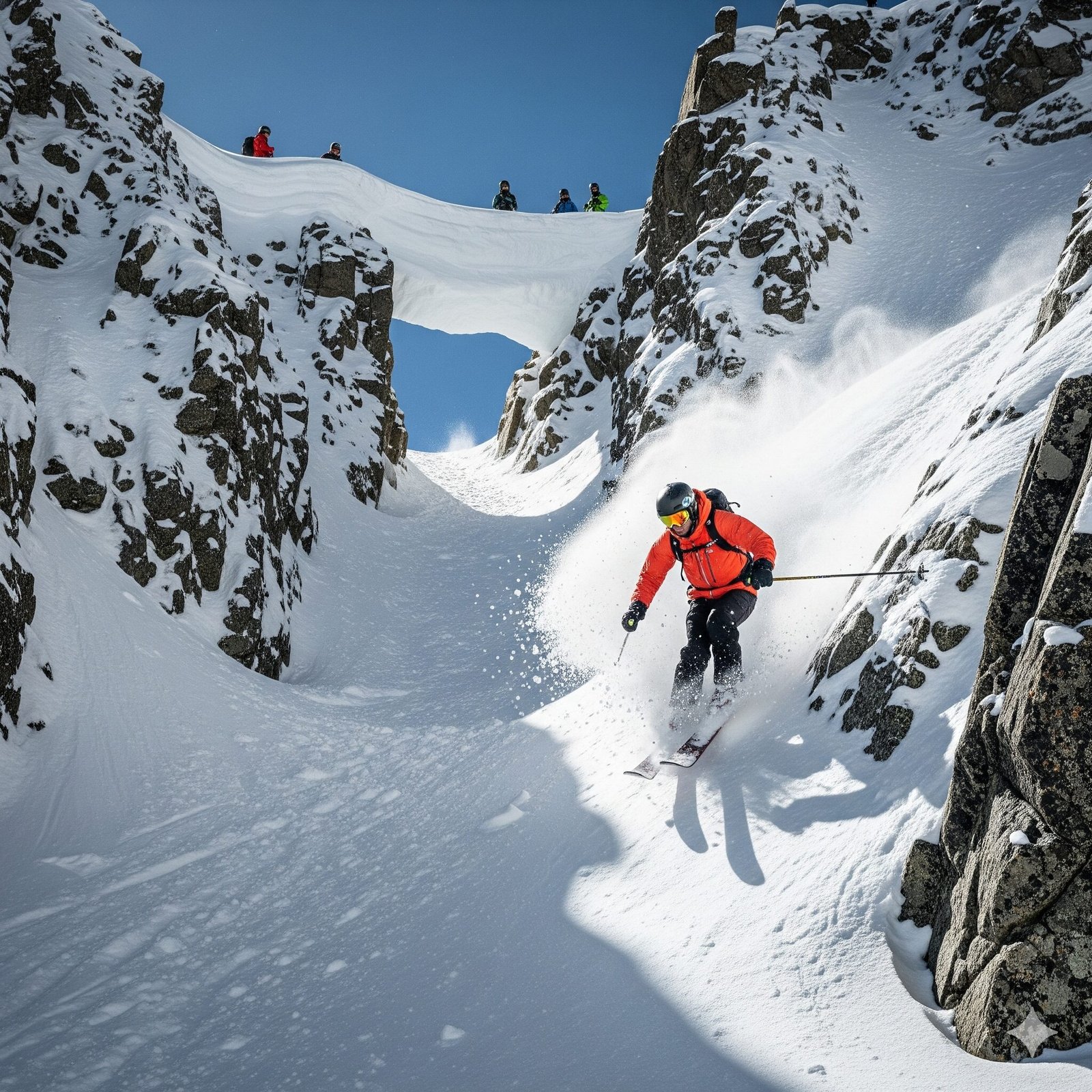
When you hear riders talk about Jackson Hole, they do it with a certain reverence. This is not a place for the faint of heart. It’s big, it’s steep, and it’s unapologetically challenging. Home to the legendary Corbet’s Couloir—a mandatory air-in chute that’s a rite of passage for experts—JHMR is where you go to push your limits.
My first time here, I spent the morning just trying to keep up. The sheer scale of the mountain is humbling. But what really defines Jackson is its raw, untamed feel. The resort holds an incredible 4,139 feet of continuous vertical, and much of it is expert-level terrain. The snow is typically light, dry, and plentiful, thanks to its position in the Teton Range. The backcountry access through the gates is world-class, but it demands respect and proper knowledge. If you’re considering venturing out, check out our guide to backcountry snowboarding safety first.
January through March is the sweet spot for powder at Jackson Hole. The resort sits at a high enough elevation to receive consistent dry snow throughout midwinter, and storm cycles tend to stack back-to-back. Early December can be hit or miss, and by late March the spring sun starts softening things up—but even spring conditions here are better than most mountains’ peak days. The town of Jackson itself is a world-class destination year-round, with incredible dining, wildlife viewing in Grand Teton National Park, and a nightlife scene that punches well above its small-town weight.
One thing worth knowing before you go: Jackson does not participate in the Epic or Ikon Pass programs, which is a deliberate choice to control crowds and protect the mountain’s identity. You’ll pay full-price lift tickets here, and they’re not cheap—but most riders agree the experience justifies every dollar.
Rider Profile:
Best for: Advanced to Expert Riders, Powder Hounds, Backcountry Enthusiasts.
Pros
- Unmatched expert terrain and steeps.
- Legendary powder and consistent snowfall.
- World-class backcountry access.
- Authentic, rugged mountain town vibe.
Cons
- Very limited beginner terrain.
- Can be intimidating for intermediates.
- Expensive lift tickets and lodging.
- Remote location can be difficult to access.
2. Whistler Blackcomb, British Columbia: The Behemoth
Best Season: December – March
Whistler isn’t just a resort; it’s a mega-resort. Two massive mountains, Whistler and Blackcomb, are connected by the breathtaking Peak 2 Peak Gondola, creating a colossal 8,171 acres of rideable terrain. There is literally something for everyone here. From high alpine bowls and glaciers to perfectly spaced tree runs and five world-class terrain parks, you could spend a month here and not ride the same line twice.
What I love about Whistler is the sheer variety. On a powder day, you can lap 7th Heaven on Blackcomb for wide-open faces. When it’s sunny, the views from the Whistler Peak are out of this world. The village is a destination in itself, with endless options for dining, shopping, and nightlife. It’s the complete package. While it’s in Canada, it’s a hugely popular destination for U.S. riders due to its easy access from Seattle.
Whistler is covered under the Epic Pass, which makes it one of the best-value destinations on the planet if you’re already planning to ride multiple North American mountains in a season. The resort’s commitment to snowboarding goes back to the sport’s earliest days—Whistler hosted the first-ever snowboard cross competition in Canada back in 1991. The Whistler Blackcomb Terrain Park network is arguably the best on the continent, with five distinct zones catering to every skill level, from learning to butter all the way up to the pro-level Habitat Terrain Park.
For après-ski, the village delivers on every front. The Longhorn Saloon at the base of Whistler Mountain has been the go-to gathering spot for decades, and the pedestrian-only Village Stroll means you’re always just a few steps from great food, live music, and fellow riders. December is the quietest time to visit, with fewer crowds and often excellent early-season snow. January and February are peak powder months. March brings longer days, spring sunshine, and softer snow that’s magical for carving big turns on the lower mountain.
Rider Profile:
Best for: Everyone. Groups with mixed abilities, park rats, families, and those who want a lively village scene.
Pros
- Incredible size and terrain variety.
- Consistently high snowfall.
- Vibrant, pedestrian-friendly village.
- World-class terrain parks for all levels.
Cons
- Can be very crowded, especially on weekends.
- Lift lines can be long on powder days.
- Coastal snow can sometimes be heavy and wet.
- It’s one of the most expensive destinations.
3. Vail, Colorado: The King of Groomers
Best Season: January – March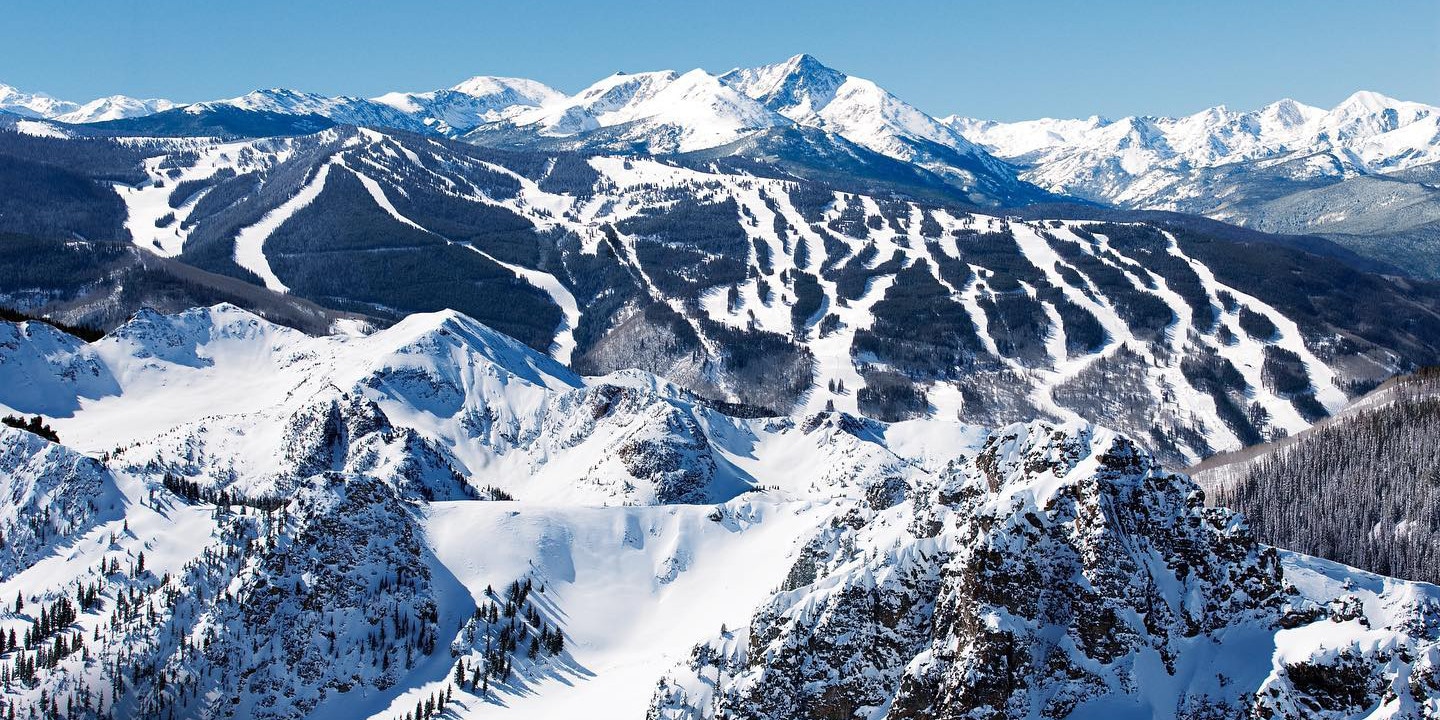
Vail is a name that commands respect in the snow sports world, and for good reason. Its front side features miles of impeccably groomed corduroy that are an absolute dream for carving. But the real magic happens when you drop into the legendary Back Bowls. On a powder day, these seven bowls offer 3,000 acres of wide-open, intermediate-to-advanced terrain that feels like your own private paradise.
My experience in Vail has always been one of pure, unadulterated fun. It’s the perfect place to open up the throttle and just fly down the mountain. While it’s often seen as a luxury ski destination, snowboarders will find endless playgrounds in the bowls and the Blue Sky Basin. The town has a charming, European-inspired feel, with heated streets and top-tier amenities. For a deep dive into what makes this state a rider’s paradise, check out our complete guide to snowboarding in Colorado.
Vail is anchored by the Epic Pass, which, if you purchase it in the spring for the following season, delivers jaw-dropping value for what would otherwise be $250+ daily lift tickets. The resort’s snowmaking system is one of the most advanced in North America, ensuring that even in lean early-season years, the main runs are covered and groomed. January is statistically the snowiest month at Vail, and after a major storm you’ll find the Back Bowls running thigh-deep with untracked powder that can last for days thanks to their sheer size. The après scene in Vail Village is exactly what you’d expect from a world-class resort—everything from slope-side hot chocolate to five-star fine dining within easy walking distance.
Rider Profile:
Best for: Intermediate to Advanced Riders, Families, Carving Enthusiasts, and those seeking a luxury experience.
Pros
- Massive and varied terrain, especially the Back Bowls.
- World-class grooming for perfect carving.
- High-end amenities and an upscale village.
- Relatively easy to access from Denver.
Cons
- Can feel crowded and has a corporate vibe.
- Extremely expensive lift tickets and lodging.
- Terrain parks are not its main focus.
- Flat spots can be a challenge on some traverses.
Essential Gear for Your Next Adventure
Having the right gear is just as important as picking the right mountain. A comfortable setup lets you ride longer and safer. Here’s a breakdown of must-have items, featuring some of my personal favorites from years of testing.

Dakine Low Roller Snowboard Bag
Protecting your board is crucial when flying. This bag has been my travel companion for years. It’s fully padded, has wheels for easy transport, and has enough space for your board, boots, and outerwear.
Check Price on Amazon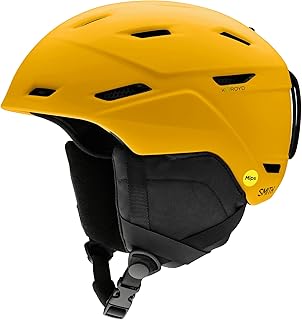
Smith Mission MIPS Snow Helmet
Your brain is your most important asset. The Smith Mission with MIPS technology provides top-tier protection without sacrificing comfort or style. Its adjustable ventilation is a lifesaver on warmer days.
Check Price on Amazon
Lib Tech Orca Snowboard
If you dream of bottomless powder, this is your board. The Orca’s unique shape and wide nose provide incredible float, turning deep days into the best days of your life. It’s a truly special ride.
Check Price on AmazonFor more in-depth reviews and comparisons, don’t forget to check out our detailed guides on the best snowboard bags for travel and our breakdown of the year’s best snowboard boots to find your perfect fit.
The Best of the Rest: West Coast & East Coast Gems
4. Mammoth Mountain, California: Spring Riding King
Best Season: February – MayMammoth is a freestyle paradise with a season that seems to never end. Thanks to its high elevation and massive snowfall, it’s often open for riding well into June, sometimes even July! The Unbound Terrain Parks are legendary, with perfectly sculpted jumps, jibs, and pipes for every skill level. I’ve spent many spring days here in a t-shirt, lapping the park under the California sun. Beyond the park, the mountain offers incredible high-alpine terrain with steep chutes and wide-open bowls that hold snow for days.
What makes Mammoth truly unique is the sheer length of its season. While most mountains are closing down and snowboarders are putting their gear in storage, Mammoth is still firing at full capacity. The resort sits at 11,053 feet at its summit, which means even in warm years the snow sticks around. February and March typically deliver the deepest base, while April and May offer the best combination of spring corn snow, warm sunshine, and dramatically uncrowded slopes. If you’ve never done a spring powder lap in a t-shirt with your friends, Mammoth is the place to check that off the list.
The resort is covered by the Ikon Pass, making it excellent value if you’re planning a broader California snowboard trip. Mammoth Lakes—the town at the base—is a surprisingly solid mountain town with great dining, a craft brewery scene, and some of the best hiking and mountain biking in the Sierra Nevada once the snow melts. The après scene is centered around Mammoth Mountain Inn and the Yodler, which has been a base-area institution for decades. The drive from Los Angeles is roughly five hours, which means it gets absolutely slammed on holiday weekends—plan accordingly and go mid-week if at all possible.
Rider Profile:
Best for: Park Riders, Spring Breakers, Advanced Riders, and those who want a long season.
5. Mount Baker, Washington: The Soul of Snowboarding
Best Season: January – MarchMount Baker is a place of legend. It holds the world record for the most snowfall in a single season (an insane 1,140 inches in 1998-99). This is not a corporate resort. There are no high-speed quads or fancy base villages. It’s a pure, raw, snowboarding experience. The terrain is a natural playground, full of cliffs, pillows, and natural halfpipes. It’s a place that attracts core riders who are there for one thing: deep powder. It’s challenging, often socked in with weather, but when it’s good, it’s arguably the best place on Earth.
Mount Baker is the ancestral home of the Legendary Baker Banked Slalom, widely considered the most prestigious and culturally significant snowboard contest on the planet. Professional riders who compete in the Olympics still put the LBS at the top of their bucket lists because it captures what snowboarding is truly about—a natural course carved into the mountain itself, run in just about any conditions the Pacific Northwest decides to throw at you. The event draws legends and amateurs alike, and the atmosphere is unlike anything else in the sport.
One important practical note: Mount Baker’s road can close during severe storm cycles, and the weather is notoriously unpredictable. Cell service is limited, and there is virtually no on-mountain lodging. Most riders base out of Bellingham (roughly 55 miles away) and make the drive up early on powder mornings. Bring chains if you’re driving in winter, layer heavily because Pacific Northwest cold is a wet, penetrating cold very different from the dry chill of the Rockies, and bring a sense of adventure. When the clouds part and the sun hits Baker’s wide-open bowls and old-growth tree runs, the whole experience feels like a reward for the effort it takes to get there.
Rider Profile:
Best for: Powder Hounds, Expert Riders, and those seeking an authentic, no-frills experience.
6. Killington, Vermont: The Beast of the East
Best Season: January – March (Open Oct – May)East Coast riding is all about making the most of what you’ve got, and Killington has the most. “The Beast” boasts the largest terrain in the East and the region’s biggest vertical drop. While it may not get the same fluffy powder as the Rockies, its snowmaking system is second to none, ensuring wall-to-wall coverage even in lean years. The vibe is energetic, with a legendary après-ski scene. It’s a testament to the tough, passionate snowboard culture of the East Coast.
Killington is also covered by the Epic Pass, making it one of the best-value destinations in the Northeast if you’re a pass holder. The resort opens earlier than almost anywhere in North America—often as early as October using its extensive snowmaking—and stays open deep into May, giving East Coast riders a season that rivals many Western destinations in terms of sheer length. The terrain park program at Killington has grown significantly in recent years, and the Superstar trail is a legendary late-season run that turns into a technical, icy, challenging gauntlet that builds the kind of edge control that makes East Coast riders notoriously tough when they finally get to ride powder out West.
The après scene at Killington is legendary—some would say infamously so. The Wobbly Barn has been the center of the party for decades, and the surrounding access road is lined with bars, pubs, and restaurants that stay busy from the last lift all the way until last call. If you want a mountain that combines serious riding with an equally serious social scene, Killington delivers. Just don’t expect to be fresh for your 8am first chair if you stay for last call at the Wobbly.
Rider Profile:
Best for: East Coast Riders, Park Fans, and those who love a lively après scene.
Beyond Japow: Niseko, Japan and the Global Powder Trail
Some of the most extraordinary snowboarding on the planet exists outside of North America and the European Alps. Japan’s Hokkaido island is home to a snow phenomenon so famous it has its own name: Japow. And the southern hemisphere offers powder turns in July and August for those who truly cannot stop chasing winter. These destinations represent a rapidly growing segment of snowboard travel—and they’re worth every bit of the planning they require.
Niseko, Hokkaido, Japan: The Powder Capital of the World
Best Season: December – FebruaryIf you’ve been around snowboarders for more than a few seasons, you’ve heard about Japow. The term refers to the legendarily light, dry, incredibly low-density powder snow that falls on the mountains of Hokkaido, Japan’s northernmost major island. Niseko United—the interconnected resort area comprised of four distinct resorts: Niseko Grand Hirafu, Niseko Village, Annupuri, and Hanazono—is the epicenter of this phenomenon and arguably the most talked-about snowboard destination in the world right now.
The science behind Japow is straightforward but remarkable. Cold Siberian air masses absorb moisture as they cross the Sea of Japan, then dump it as snow when they hit the mountains of Hokkaido. The result is an average snowfall of over 50 feet per season, falling as some of the lightest, driest powder on earth—often with snow densities as low as 4%, compared to the 8-10% typical of Utah’s famous “Greatest Snow on Earth.” Riding through Niseko’s tree runs in fresh Japow is a genuinely transcendent experience. The snow is so light it literally explodes into a cloud around you with every turn.
But Niseko is more than just snow. The cultural experience is unlike anything available at a North American or European resort. After a day of riding, you soak in a traditional onsen (volcanic hot spring) at your ryokan accommodation. Dinner is fresh ramen, yakitori, or kaiseki cuisine at any number of incredible local restaurants. The combination of world-class powder, unique Japanese culture, and an increasingly sophisticated international resort infrastructure—with English-language signage, Western-friendly accommodation options, and a thriving international expat community—makes Niseko uniquely accessible for first-time visitors to Japan.
Timing is everything at Niseko. The peak powder window runs from late December through February, with January widely considered the best month for consistent deep snow. The resort can get crowded during the Japanese New Year holiday (late December to early January) and during Chinese New Year, when mainland Chinese visitors arrive en masse. If your schedule allows, aim for the first two weeks of January or the first two weeks of February for the best combination of snow quality and manageable crowds.
Getting to Niseko takes commitment. Most international visitors fly into Sapporo’s New Chitose Airport (CTS) and either take a train or book a shuttle transfer to the mountain, which takes roughly two hours. The investment in time and cost is significant—but virtually every rider who makes the trip describes it as a life-changing snowboard experience. The phrase “Niseko once and you’re ruined for everywhere else” is repeated so often it has become a cliché. It’s a cliché because it’s true.
Pros
- World’s lightest, driest powder snow—nothing compares.
- Unmatched cultural experience: onsen, ramen, ryokan.
- Night riding available on illuminated trails until 9pm.
- Excellent open-boundary backcountry access.
Cons
- Long international travel required from North America/Europe.
- Can be very crowded during peak holiday windows.
- Relatively modest vertical drop compared to North American resorts.
- Cost of flights and accommodation adds up significantly.
Queenstown, New Zealand: Winter in July
Best Season: July – SeptemberFor those who truly cannot bear a snowboard-free summer, Queenstown, New Zealand offers a compelling solution: it is winter there when it is summer in the northern hemisphere. The resort areas of Coronet Peak and The Remarkables—both accessible from Queenstown—provide solid snowboarding with a backdrop of dramatic alpine scenery that is genuinely unlike anything in North America or Europe.
Queenstown has built a reputation as an adventure sports mecca, and that culture extends fully to snowboarding. The terrain is varied, the atmosphere is young and energetic, and the town itself is one of the most vibrant small cities in the world—often compared to a southern hemisphere version of Whistler. The June to September window is when New Zealand’s ski resorts are open, with July and August offering the most reliable snow coverage. The Remarkables in particular has a striking natural amphitheater feel, with ridgeline terrain and open bowls that make for dramatic riding.
The snowfall in New Zealand is less predictable than Japan or North America, and the season is shorter—but the experience of riding in July, watching the sun set over Queenstown’s Lake Wakatipu after a day on the mountain, and exploring a completely different part of the world makes it an incredibly worthwhile trip. It’s also a perfect add-on to an Australia trip, with direct flights between Sydney or Melbourne and Queenstown being affordable and frequent.
Valle Nevado, Chile: High-Altitude Andean Powder
Best Season: July – AugustValle Nevado sits in the Chilean Andes at roughly 11,000 feet elevation, just 60 kilometers from Santiago. It is one of the most accessible high-altitude resorts in the southern hemisphere, and on a clear day the views of the Andes—with the Pacific Ocean visible on the distant horizon—are absolutely staggering. The resort receives consistent snowfall throughout its winter season (June through October), and its high elevation means the snow quality is genuinely impressive, especially compared to lower-altitude resorts elsewhere in South America.
For North American and European riders, Valle Nevado offers a fascinating combination of familiar resort infrastructure with a completely foreign environment. The mountain has been developing rapidly, with modern lift systems, good terrain park infrastructure, and a growing number of heli-ski and cat-ski operations that access the vast Andean backcountry. The cultural experience—spending evenings in Santiago, one of South America’s most sophisticated cities—adds a layer of richness to the trip that strictly mountain destinations can’t offer.
For the Newcomer: Top Resorts for Learning
Everyone has to start somewhere! Choosing the right resort can make the difference between falling in love with the sport and giving up in frustration. We’ve got a dedicated article on the best snowboarding resorts for beginners, but here are a couple of standouts.
7. Park City, Utah: America’s Largest Resort
Best Season: December – MarchWith 7,300 acres, Park City Mountain Resort (which includes the former Canyons resort) is a massive playground with an incredible amount of beginner and intermediate terrain. The ski and snowboard school is top-notch, and there are countless long, gentle, perfectly groomed green runs to build your confidence on. Once you’ve mastered the basics, the progression to easy blue runs is seamless. Plus, its proximity to Salt Lake City makes it one of the easiest major resorts to get to.
Park City is also home to one of the best terrain park networks in North America. The 3 Kings Park is a genuine destination for experienced park riders, but there are progressive parks at every skill level to grow into. The resort’s proximity to downtown Park City—a walkable, charming historic mining town with exceptional dining, boutique shopping, and a vibrant arts scene (it’s the home of the Sundance Film Festival)—makes it more than just a ski trip. It’s a full-on winter destination experience. Park City is covered by the Epic Pass, which makes it extraordinarily accessible for frequent riders.
Utah’s famous “Greatest Snow on Earth” designation is not marketing hyperbole. The Great Salt Lake creates a regional weather dynamic that pulls moisture out of Pacific storm systems and deposits it as uniquely light, dry powder on the Wasatch Mountains. Park City, while slightly lower in elevation than Snowbird or Alta, still benefits from this effect, and mid-January through mid-February typically delivers the goods on powder days. For beginners and intermediates who want to experience real Utah powder without the terrifying steepness of Snowbird or Alta, Park City is the perfect entry point.
8. Buttermilk, Colorado: More Than Just the X Games
Best Season: December – MarchWhile famous for hosting the Winter X Games, Buttermilk is actually Aspen’s most beginner-friendly mountain. The majority of its terrain is rated green or blue, with wide-open, uncrowded runs that are perfect for learning to link turns. The “Panda Pipe” is a great introduction to freestyle, and the vibe is much more relaxed than its more challenging neighbors, Aspen Mountain and Highlands.
What makes Buttermilk particularly special for beginners is the quality of its learning environment. The Ski and Snowboard School at Buttermilk is among the best in the country, with patient instructors, dedicated learning zones, and a gentle, encouraging mountain culture. Unlike many beginner mountains that feel like afterthoughts attached to bigger resorts, Buttermilk has its own distinct character and a legitimate mountain experience. You can spend three or four days here as a brand-new rider and leave with the skills and confidence to progress anywhere. The nearby town of Aspen—reachable by free bus from Buttermilk—is one of the most sophisticated and beautiful mountain towns in America, which makes for a genuinely luxurious first snowboard trip even on a beginner mountain.
Across the Pond: European Alps Showdown
The scale of the European Alps is something every rider should experience at least once. The culture, the food, and the sheer size of the interconnected ski areas are mind-blowing. While there are countless incredible places, these two represent the pinnacle of Alpine snowboarding. For more ideas, explore our guide to the top European ski resorts.
9. Chamonix, France: The Freeride Capital
Best Season: January – March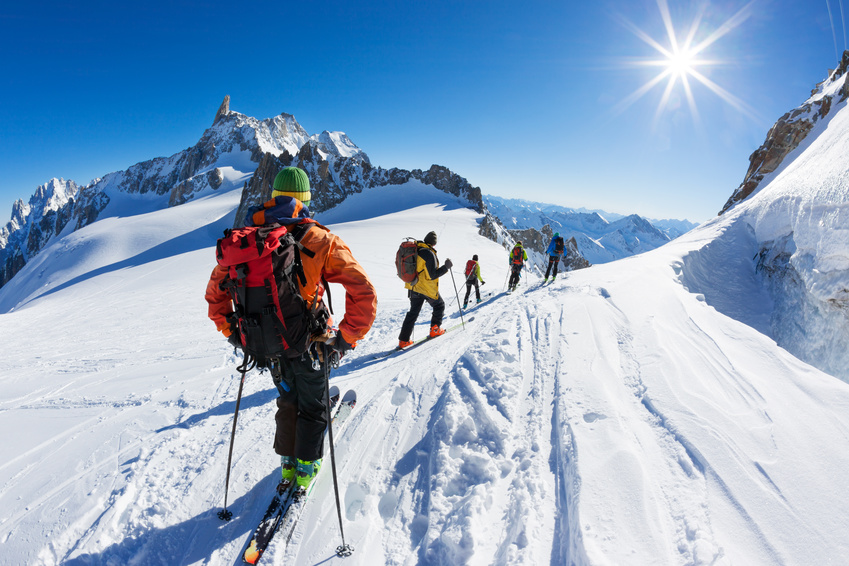
Nestled at the foot of Mont Blanc, the highest peak in the Alps, Chamonix is the undisputed capital of big-mountain freeriding. This isn’t a single resort but a collection of distinct ski areas connected by a valley bus. The riding here is high-consequence, high-reward. Taking the Aiguille du Midi cable car to 12,605 feet and riding the famous 12-mile Vallée Blanche glacier is an experience that will stay with you forever. It’s not for beginners, but for expert riders, it is the ultimate challenge. Always hire a guide here; the glacial terrain is no joke.
Chamonix is unlike any other resort town in the world. It is a genuine mountain city—population around 9,000—with a history of alpinism that stretches back over 200 years. The streets are full of mountaineers, freeriders, alpinists, and trail runners. The culture is serious, deeply respectful of the mountains, and completely unlike the manufactured village atmosphere of more commercial resorts. The dining and nightlife are excellent, prices are notably lower than Swiss or Austrian resorts, and the town’s direct train connection to Geneva makes it one of the easiest European destinations to access from international airports.
Chamonix actually covers five distinct ski areas—Brévent, Flégère, Les Grands Montets, Domaine de Balme, and Les Houches—each with its own character and best conditions. Les Grands Montets is the most dramatic and challenging, with steep north-facing terrain that holds powder for days after a storm. Les Houches is less extreme but offers superb tree riding and often holds better conditions than the upper mountain during storms. Snowboarders should note that some of the most iconic Chamonix terrain—particularly off the Aiguille du Midi—requires proper backcountry equipment: avalanche transceiver, probe, shovel, and the ability to use them. Never leave the marked pistes in Chamonix without a qualified guide.
Rider Profile:
Best for: Expert Freeriders, Mountaineers, and those seeking the ultimate high-alpine adventure.
10. Verbier, Switzerland: The Cosmopolitan Challenger
Best Season: January – MarchVerbier is the main hub of the massive 4 Vallées ski area in Switzerland, offering over 410km of linked pistes. It combines incredible, easily accessible off-piste terrain with a sophisticated, sun-drenched resort town. The backside of Mont Fort is legendary for its steep, challenging terrain. Verbier has a more polished feel than Chamonix but offers equally epic riding. The après-ski scene is world-famous, making it a place to ride hard and play hard.
The après culture at Verbier deserves its own paragraph. Farinet is the undisputed king of Verbier après—a slope-side terrace bar that turns into a full-on outdoor dance party on sunny afternoons, with crowds spilling out from the lifts in full ski and snowboard gear. The Farm Club, housed in a former farmhouse, is one of the most famous ski resort nightclubs on the planet. Verbier caters to a well-heeled international crowd—hedge fund managers, royalty, and professional athletes all rub shoulders in the village—but the snowboarding itself is accessible to any strong intermediate or above willing to push their limits.
From a practical planning perspective, Verbier is expensive. Switzerland is already one of the world’s priciest countries, and Verbier sits at the premium end of the Swiss resort market. Budget accordingly: accommodation, food, lift passes, and even après drinks all carry a significant price premium compared to French or Austrian alternatives. That said, the combination of reliable high-altitude snow, world-class terrain, and genuinely spectacular scenery—Mont Blanc is visible from the top of Mont Fort—justifies the cost for a once-in-a-lifetime kind of trip.
Rider Profile:
Best for: Advanced Freeriders, Sun-Seekers, and those who enjoy a luxurious and lively town.
Comparison at a Glance
| Destination | Best For | Terrain Focus | Vibe | Price |
|---|---|---|---|---|
| Jackson Hole, WY | Experts | Steeps, Backcountry | Rugged & Core | $$$$$ |
| Whistler, BC | Everyone | All-Around, Parks | Vibrant & Bustling | $$$$$ |
| Vail, CO | Intermediates | Bowls, Groomers | Luxury & Family | $$$$$ |
| Mammoth, CA | Park Riders | Parks, Alpine | Laid-back & Sunny | $$$$ |
| Mt. Baker, WA | Powder Hounds | Natural Terrain, Powder | Authentic & Raw | $$ |
| Park City, UT | Beginners/Intermediates | Groomers, Progression | Accessible & Bustling | $$$$ |
| Chamonix, FR | Experts | Big Mountain, Glaciers | Extreme & Historic | $$$ |
| Niseko, Japan | Powder Addicts | Powder, Tree Runs | Cultural & Unique | $$$$ |
| Verbier, CH | Advanced Freeriders | Off-Piste, Steeps | Cosmopolitan & Lively | $$$$$ |
| Queenstown, NZ | Southern Hemisphere Seekers | All-Around | Adventure & Energetic | $$$ |
How to Plan Your Snowboard Trip: The Complete Guide
Picking the destination is the fun part. Actually getting there without blowing your budget or missing peak snow is where careful planning pays dividends. Here’s a systematic approach to planning the best snowboard trip of your life, built from years of doing this right—and wrong.
Step 1: Set a Realistic Budget
Snowboarding trips range wildly in cost depending on destination, duration, timing, and your approach to accommodation and gear. As a rough framework, here’s what you can expect to spend on a 5-day North American resort trip:
| Expense Category | Budget Trip | Mid-Range Trip | Premium Trip |
|---|---|---|---|
| Lift Tickets (5 days) | $200–$350 (pass-based) | $400–$600 | $700–$1,200+ |
| Accommodation (5 nights) | $400–$700 (shared/condo) | $800–$1,500 | $2,000–$5,000+ |
| Food & Drink | $200–$300 (self-catered) | $400–$700 | $800–$1,500+ |
| Transportation | $150–$400 (drive/shared) | $300–$600 (fly+rent) | $600–$1,200+ |
| Gear (if renting) | $200–$350 | $350–$500 | Own gear |
| Total Estimate | ~$1,200–$2,100 | ~$2,250–$3,900 | $4,100–$10,000+ |
International trips to Japan, Europe, or New Zealand will add $800–$2,500+ in flights to these numbers depending on where you’re flying from. The good news is that lodging in Europe and Japan is often significantly cheaper than comparable North American resort towns, which helps offset the flight cost on longer trips.
Step 2: Epic Pass vs. Ikon Pass vs. Paying Daily
If you’re planning to ride more than 5–7 days in a season, investing in a multi-resort season pass will almost certainly save you money—often dramatically. The two dominant passes in North America are the Epic Pass and the Ikon Pass, and understanding the difference is essential for smart trip planning.
Epic Pass
- Owned by Vail Resorts
- Includes Vail, Whistler, Park City, Breckenridge, Keystone, Kirkwood, Stowe, Killington, and dozens more
- Unlimited days at most home resorts
- International partners in Europe, Japan, and Australia
- Best value if you ride at Vail Resorts properties frequently
- Buy in spring for the following season for the lowest price (~$900–$1,000 full pass)
Ikon Pass
- Owned by Alterra Mountain Company
- Includes Mammoth, Jackson Hole*, Steamboat, Big Sky, Snowbird, Revelstoke, Chamonix, Niseko*, and more
- *Some resorts are limited days (5–7 days per season)
- Base Ikon Pass is a lower-cost option with restrictions
- Best value if you ride more independently-minded resorts
- Buy in spring for the following season for early-bird pricing (~$700–$900)
Paying Daily
- No commitment required
- Can be bought online in advance (often cheaper than window price)
- Best for 1–4 day trips or resorts not on major passes
- Prices range from $80 (small regional mountains) to $300+ (Vail, Aspen peak days)
- Buy as far in advance as possible—early purchase discounts can be 30–50% off window prices
- Midweek tickets almost always cheaper than weekend rates
Pro Tip: Buy your season pass in the spring (April–May) for the following winter season. Pass prices increase significantly in the fall, and by the time the snow flies they’re often 30–40% more expensive than the spring price. Set a calendar reminder now.
Step 3: Time Your Trip to Hit Peak Snow
The timing of your trip is arguably the single most important factor in determining snow quality. Going a week too early or too late can be the difference between riding perfect powder and scraping ice. Here’s a month-by-month breakdown of what to expect at major destination types:
| Month | North American Rockies | Pacific Northwest | European Alps | Japan (Hokkaido) |
|---|---|---|---|---|
| November | Early season; limited terrain open | Usually closed or just opening | High-altitude glaciers only | Early powder; best deals |
| December | Building base; good early powder | Opening runs; limited access | Good; some resorts fully open | Excellent powder begins |
| January | ⭐ Peak powder season | ⭐ Peak season begins | ⭐ Peak season | ⭐ Best Japow conditions |
| February | ⭐ Excellent conditions | ⭐ Peak snowfall | ⭐ Best conditions | ⭐ Consistent powder |
| March | Great snow; spring vibe begins | Good snow; warming up | Good; spring conditions developing | Winding down; still good |
| April | Spring corn snow; long days | Closing or spring skiing | Closing season; variable | Mostly closed |
The single best hack for budget-conscious powder hunters: watch the weather and book late. Many resorts offer last-minute accommodation deals, and flying on 48–72 hours’ notice after a major storm forecast is a well-established strategy among dedicated powder chasers. The risk is that you might not get the accommodation you want—but the reward is riding untracked powder rather than a tracked-out resort a week after the storm.
Step 4: Accommodation Strategy
Where you stay fundamentally shapes your trip experience. The three main options—ski-in/ski-out resort lodging, town-center hotels or condos, and out-of-town budget options with a commute—each have real trade-offs:
- Ski-in/Ski-out: The ultimate convenience. You wake up, clip in, and you’re on the mountain within minutes. No shuttle, no waiting, no gear schlep. The premium is real—expect to pay 40–100% more than equivalent accommodation a few miles away—but for a short, high-intensity trip where every minute of riding time matters, it’s often worth it.
- Village/Town Center: The sweet spot for most trips. You’re close to the lifts (usually a 5–15 minute walk or shuttle), you have access to restaurants and nightlife without needing a car, and prices are significantly lower than slopeside. This is the best option for groups who want a social experience beyond just riding.
- Out-of-Town with Commute: The budget option. Staying in a town 20–40 minutes from the resort can cut accommodation costs dramatically—sometimes by 50–70%. You’ll need a car (or need to time your drive to arrive before the shuttle fills up), and you’ll lose some spontaneous riding time, but for longer trips this trade-off can fund several extra days of riding.
Group travel dramatically changes the accommodation math. Renting a full condo or house for a group of 6–10 people—splitting the cost—often delivers better value per person than a hotel room, plus the ability to cook meals together (a major cost saving). Platforms like VRBO and Airbnb have strong listings near most major resorts, and booking 3–4 months in advance for peak season weeks is essential to get the best options.
Step 5: Packing Smart for a Snowboard Trip
The cardinal sin of snowboard trip packing is either overpacking (you won’t need three pairs of jeans and a blazer—trust me) or forgetting something small and critical that ruins a riding day. Here’s a comprehensive checklist built from years of travel:
- Snowboard (or plan to rent—see gear section below)
- Snowboard boots (personal boots are always worth bringing; rental boots are miserable)
- Bindings (already on your board)
- Helmet (non-negotiable; always bring your own—rental helmets are often poorly fitting)
- Goggles (bring two lenses: a low-light/storm lens and a bright-sun lens)
- Waterproof snowboard jacket and pants (gore-tex or equivalent—no cotton)
- Base layer top and bottom (wool or synthetic—again, no cotton)
- Mid-layer fleece or down jacket (for extra warmth on cold days)
- Gloves or mittens (mittens are warmer; gloves give more dexterity)
- Warm socks x5 (wool or synthetic; bring one pair per riding day plus extras)
- Neck gaiter or balaclava
- Sunscreen SPF 50+ (altitude UV is brutal and most riders forget this)
- Lip balm with SPF
- Small backpack (hydration pack for all-day riding—dehydration at altitude is real)
- Après-ski casual clothing (evenings in mountain towns deserve something other than your riding kit)
- Power bank and charging cables
- First aid basics: ibuprofen, blister treatment, hand warmers
- Wax and edge tune kit (or plan to visit the rental shop on arrival)
Don’t Forget: If you’re flying with your board, check your airline’s sports equipment policy before you go. Some carriers include snowboard bags in standard baggage allowances; others charge $75–$150+ each way. Alaska Airlines, for example, has historically been snowboarder-friendly. Booking directly with airlines (rather than through third-party sites) often gives you more flexibility to add sports equipment at a lower rate.
Gear Deep Dive: Outerwear and Layering for Every Condition
Your board, boots, and bindings get all the attention—but your outerwear is what determines whether you’re comfortable and confident on the mountain, or cold, wet, and miserable. Understanding how to layer for snowboarding is one of the most underrated skills a rider can develop. Here’s a complete guide to building the perfect kit for any condition.
The Three-Layer System
Snowboard outerwear works best as a system of three layers, each with a distinct function. Mixing and matching within this system is what allows you to adapt to everything from bluebird -10°F mountain cold to spring slushy afternoons in the 40s.
Layer 1: The Base Layer (Moisture Management)
Your base layer sits directly against your skin. Its job is to wick sweat away from your body and move it toward the outer layers where it can evaporate. The golden rule: never use cotton as a base layer. Cotton absorbs sweat and holds it against your skin, which causes dangerous cold when you stop moving. Merino wool is the premium choice—it wicks well, regulates temperature, resists odor, and is naturally soft against skin. Synthetic options (polyester blends) are cheaper and dry faster than wool, making them a solid alternative. Look for a fitted base layer that moves with you and doesn’t bunch under your pants or jacket. For upper body, a long-sleeve top. For lower body, thermal tights or leggings. On frigid days, a midweight base layer adds significant warmth; on spring days, a lightweight base is often all you need under your outer shell.
Layer 2: The Mid Layer (Insulation)
The mid layer traps warm air around your body and adds insulation on cold days. On mild days, you may skip this layer entirely—just a base layer under your shell. The most versatile mid-layer options are a fleece pullover or a light down jacket. Fleece breathes well and handles moisture better; down is warmer for its weight but loses most of its insulation when wet. For variable mountain days, a technical fleece with zip vents is the most adaptable choice. It can be stuffed in your backpack when the sun comes out, pulled back on when clouds roll in, and layered under your shell during extreme cold. Avoid heavy, bulky sweaters or hoodies as mid layers—they restrict movement, bunch uncomfortably, and often overheat you during intense riding.
Layer 3: The Outer Shell (Wind and Waterproofing)
This is where snowboard jackets and pants do their most important work: keeping wind and moisture out while allowing body heat and sweat vapor to escape. The key metric here is waterproofing (measured in millimeters) and breathability (measured in grams). A jacket rated at 10,000mm/10,000g is a solid entry level for recreational riding. Dedicated snowboard jackets typically run 20,000mm/20,000g or higher for serious all-weather performance. Look for pit zip vents for temperature regulation on warm days, powder skirts that seal around your waist to keep snow from getting inside when you fall, and adjustable cuffs and hoods that seal out wind. GORE-TEX remains the gold standard for waterproof-breathable membrane technology, but many brands now offer proprietary alternatives (Burton’s DryRide, Volcom’s Gore-Tex alternatives) that perform at a comparable level.
Gloves vs. Mittens: The Eternal Debate
Mittens are warmer—that’s the established physics. Fingers generate and share heat more efficiently when together than when separated. But gloves give you the dexterity to operate bindings, use your phone, buckle straps, and adjust gear without taking them off. The real answer depends on the temperature you’re riding in. At temperatures below 15°F, go mittens—you’ll thank yourself. For most conditions between 15°F and 35°F, a good pair of waterproof gloves with proper insulation is the better all-day choice. Many experienced riders bring both and switch based on conditions. Whatever you choose, prioritize waterproofing. Cold, wet hands are one of the most miserable experiences in snowboarding, and it happens fast when your gloves are inadequate.
Goggle Lenses: Matching Lens Tint to Conditions
Having the wrong goggle lens for the day’s conditions can genuinely compromise your riding by flattening contrast and making it impossible to read the terrain ahead of you. The basics: dark, high-VLT (Visual Light Transmission) lenses for bright sunny days; light, low-VLT lenses for flat light and storm days. A lens with 8–18% VLT is ideal for bright sun; a lens with 40–80% VLT is needed for overcast, flat-light conditions. Oakley’s Prizm technology, Smith’s ChromaPop, and Anon’s Perceive all use proprietary lens technologies that enhance contrast and color differentiation in specific snow conditions—and they work. Magnetic lens interchange systems (offered by Oakley, Smith, Anon, and others) make switching between lenses fast and easy, meaning you can have one goggle frame with two or three lenses and be prepared for any condition.
Backcountry Snowboarding: The Basics Before You Go Out of Bounds
Many of the destinations on this list—Jackson Hole, Chamonix, Mount Baker, Niseko—are celebrated as much for their backcountry and sidecountry access as for their in-bounds terrain. Riding outside marked boundaries is one of the most exhilarating experiences snowboarding can offer. It is also where most serious snowboard fatalities occur, almost always due to avalanches. Before you venture out of bounds for the first time, there are non-negotiable steps that experienced backcountry riders take every single time.
The Essential Avalanche Safety Kit
No experienced backcountry rider ever leaves the trailhead without these three items:
- Avalanche Transceiver (Beacon): A device that broadcasts your location and can be switched to search mode to locate buried partners. Modern three-antenna digital beacons from brands like Mammut, Ortovox, and BCA can locate a buried person within seconds when used correctly. Everyone in the group needs one, everyone must have it turned on and in transmit mode before leaving the resort boundary, and everyone must practice using it—including the search function—before they need it in a real emergency.
- Probe: A collapsible pole that extends to 240–320cm, used to pinpoint the exact location of a buried victim after the beacon search has identified a general area. A shovel alone cannot find a buried person efficiently without a probe.
- Shovel: You will not dig someone out of a compacted avalanche debris field with your hands. A dedicated avalanche shovel with a telescoping handle and a large blade is essential. Carbon fiber shovels are lighter; aluminum is more durable. Either works. A small folding shovel does not.
Critical Safety Note: Avalanche safety gear is necessary but not sufficient. Owning a transceiver does not make you safe in avalanche terrain any more than owning a fire extinguisher makes you a firefighter. Proper avalanche education—including an avalanche awareness course (AIARE Level 1 in North America, or equivalent in Europe)—is the only responsible path to backcountry snowboarding. Take the course. Practice your beacon searches. Check the avalanche forecast every single day before heading out. And if you are new to a specific mountain’s backcountry, hire a local guide for your first several outings.
Reading the Avalanche Forecast
In North America, the regional avalanche centers publish daily forecasts for all major mountain ranges. The Avalanche Center network (avalanche.org is the central hub) provides forecasts on a 1–5 scale, from Low to Extreme. In Europe, the European Avalanche Warning Services provide equivalent forecasts through national avalanche centers in each country. Check the forecast before every backcountry outing—conditions can change dramatically within 24 hours after new snowfall, wind loading, or temperature changes. A day with favorable morning conditions can become highly dangerous by afternoon as warming destabilizes the snowpack. Treat the avalanche forecast the same way you treat a weather forecast: essential information that shapes your plans for the day.
The Art of Après-Ski: Making the Most of Your Off-Mountain Hours
Great snowboard trips aren’t just about the hours spent riding. The culture, community, and celebration that happens when the lifts stop spinning are equally part of the experience. Après-ski—the French phrase for “after skiing”—has evolved from a simple warm drink at the base lodge into a global snowboard culture touchstone. Here’s what the après scene looks like at some of the world’s best destinations.
North America’s Best Après Scenes
Whistler, BC sets the standard for North American après. The Longhorn Saloon at Creekside is where riders have been gathering since the mountain opened, and the basement-level Garfinkels in the village runs live music from the moment the lifts close. The village’s pedestrian layout means the energy flows naturally from the mountain into the bars without the awkward car-dependent transitions that plague many resorts.
Park City, UT benefits from Utah’s progressive evolution away from its restrictive liquor laws (which long plagued the state’s resort towns). Main Street is now lined with excellent craft breweries, cocktail bars, and high-end restaurants, and the après scene has genuinely caught up with the quality of the mountain. Wasatch Brew Pub, right on Main Street, is a rider institution. High West Distillery—Utah’s first legal distillery since Prohibition—is worth the visit for its whiskey cocktails and the building alone, a beautifully restored Victorian horse barn.
Jackson Hole, WY keeps its après authentic to its rodeo-and-wilderness character. The Million Dollar Cowboy Bar in town has been serving riders and cowboys since 1937, with saddle barstools, live country music, and a crowd that mixes authentically between locals and visiting riders. The Mangy Moose at the base of the Tram is where the band plays on weekends and the Teton Range watches over the whole scene.
Europe’s Legendary Après Culture
No one does après-ski quite like the Austrians. Kitzbühel’s Hahnenkamm race week, Ischgl’s season-opening concerts (which have featured major international acts), and St. Anton’s Mooserwirt—the most famous slope-side bar in the Alps—represent the pinnacle of European mountain party culture. At St. Anton, the Mooserwirt sits right on the piste, and riders coming down the red run from Valluga literally pass through the party on their way to the valley. The music is loud, the glühwein flows, and the scene is like nothing in North American snowboarding.
Verbier, Switzerland takes the cosmopolitan approach. Farinet’s terrace party is the famous starting point, but the evening migrates into the village’s restaurants and wine bars, where the clientele is genuinely international—you’ll hear French, English, German, Italian, and Russian all at the same table. The Farm Club is the late-night anchor, and when the dancing ends (often after 3am), the trip back to your chalet through narrow snowy streets in the small hours is a uniquely Verbier experience.
Japan’s Unique Post-Ride Ritual
In Niseko, après-ski is literally built into the landscape. The Hokkaido mountains are dotted with volcanic hot springs—onsen—and many traditional ryokan accommodations include private or communal baths fed directly by geothermal water. Sliding into a 104°F cedar-lined onsen after hours of cold, deep powder riding is one of the most perfectly restorative experiences available in the snow sports world. The Yukoro onsen facility in Niseko village is open to day visitors and is a beautiful introduction to the practice. Follow the bath with a bowl of fresh ramen or a shabu-shabu dinner, and you’ll understand why so many riders keep returning to Japan year after year.
Frequently Asked Questions
For beginners in the U.S., Park City, Utah, is arguably the best choice. It has a massive amount of gentle, wide-open green runs, an excellent snowboard school, and easy accessibility from a major airport (Salt Lake City). Buttermilk in Colorado is another fantastic option known for its uncrowded beginner slopes. Both are covered by the Epic Pass, which dramatically reduces the cost of multiple riding days. A key tip for beginners: book a lesson on your first day, no matter how tempting it is to try and figure it out on your own. A two-hour lesson from a qualified instructor will accelerate your learning by days and prevent bad habits that are very hard to break later.
Statistically, Mount Baker in Washington and Alta/Snowbird in Utah consistently battle for the title of snowiest resort in North America, often averaging over 500 inches of snow per year. Mount Baker even holds the world record for a single season. The snow quality in Utah’s Little Cottonwood Canyon is famously light and dry, often called “The Greatest Snow on Earth®”. Globally, Niseko, Japan receives an average of over 600 inches of Japow per season—some of the lightest, driest snow on the planet—and is the world’s powder density champion even if not the raw volume champion.
While some helmets are marketed for skiing or snowboarding, most modern snow helmets are certified for both. The most important thing is to get a helmet that fits well and has modern safety features like MIPS (Multi-directional Impact Protection System). MIPS adds a slip-plane liner inside the helmet that allows it to rotate independently of your head during an oblique impact—the most common type in falls—which significantly reduces rotational force on the brain. We have a complete guide to help you choose the best snowboard helmets available right now. One practical tip: replace your helmet after any significant impact, even if there is no visible damage. The foam liner compresses during impact and does not recover its protective properties.
If you’re a beginner or only plan to go once or twice a season, renting is more cost-effective. It also allows you to try different types of boards. If you plan on riding more than 5-7 days a year, buying your own gear becomes a better investment. Having your own boots that are perfectly molded to your feet is a huge comfort upgrade. Seeing clearly is also crucial, so investing in a quality pair from our list of the best snowboard goggles is always a smart move. One thing worth noting: if you’re going to rent anything, boots are the exception—your own boots make a dramatic difference in comfort and performance. Consider buying your boots even if you’re renting the board itself.
The sweet spot for most North American and European destinations is January through mid-March. This window delivers the best combination of base depth, powder frequency, and mountain-wide terrain access. December can be excellent but is often hit-or-miss in terms of snow coverage and full-mountain access. Late March through April offers spring conditions—warmer temperatures, softer snow, and often spectacular sunny days—but powder days are rare. For the absolute best snow quality in North America, aim for Utah or Colorado in January. For Japan, early to mid-January is the gold standard for Japow. If your schedule is inflexible, February is typically the safest bet across all major global destinations.
Whistler Blackcomb is the undisputed champion for mixed-ability groups. With 8,171 acres across two mountains, there is genuinely world-class terrain for every skill level—complete beginners to professional freeriders—and the interconnected mountain design means the group can ride together on appropriate intermediate terrain, then split up for skill-specific runs, and meet back at the mountain-top Peak 2 Peak Gondola for lunch with a view that’ll silence even the most jaded snowboarder. Park City, Utah is the best domestic US option for this scenario, with an enormous variety of green, blue, and black terrain and an excellent lesson program for bringing beginners up to speed quickly. The key for mixed-ability groups is to identify a designated meeting point and a shared “easy run” that everyone can enjoy together—connection is the point of a group trip, not separation by skill level.
Absolutely yes—and almost every rider who makes the trip says it’s one of the best decisions they’ve ever made. Niseko offers a genuinely once-in-a-lifetime snow experience, and the cultural richness of Japan amplifies the trip enormously. Onsen, ramen, sushi, the broader Japanese culture, and the extraordinary hospitality of local accommodation make it far more than just a ski trip. The main barriers are cost (flights from North America average $800–$1,500 depending on origin and booking window) and the distance—roughly 10–14 hours of flying from the US West Coast. If you can swing the budget and the travel time, plan for at least 7 days in Japan, split between Niseko and either Tokyo or Sapporo for the cultural experience. You will not regret it.
The most powerful money-saving tool for frequent riders is buying a season pass (Epic or Ikon) in the spring for the following winter—early-bird pricing can save 30–40% off fall prices. For single-trip buyers, purchasing lift tickets online in advance (rather than at the window) saves 15–30% at most resorts. Midweek tickets are almost always cheaper than weekend rates. Look for multi-day discount packages—most resorts offer 5- or 7-day packages at a per-day rate significantly lower than single-day prices. Some credit cards (particularly travel rewards cards) offer ski resort partnerships with discounts or statement credits. Finally, smaller regional mountains near major destinations often offer comparable riding at a fraction of the price—consider adding a day at a less-famous resort on your trip for the value play.
Final Thoughts: Your Perfect Run is Waiting
The beauty of snowboarding is that there’s no single “best” place—only the best place for you, right now. Whether you’re chasing the deepest powder in Wyoming, discovering the magic of Japow in Hokkaido, dialing in your tricks in a California park, making your very first turns in Utah, or riding an Alpine glacier in Chamonix, the mountains are calling. I hope this guide, built from real experience and genuine passion for the sport, helps you find your next great adventure.
Take the trip seriously enough to plan it well—time your visit for peak snow, buy your pass in spring, book your accommodation early, layer your clothing properly, and if you’re heading into the backcountry, do your homework and respect the mountain. But beyond all of that: go. The mountains are patient, the snow will come, and somewhere out there is a run with your name on it.
The most important thing is to get out there, be safe, respect the mountain, and have fun. Now, pack your bags, grab your board, and go find your perfect run.


