
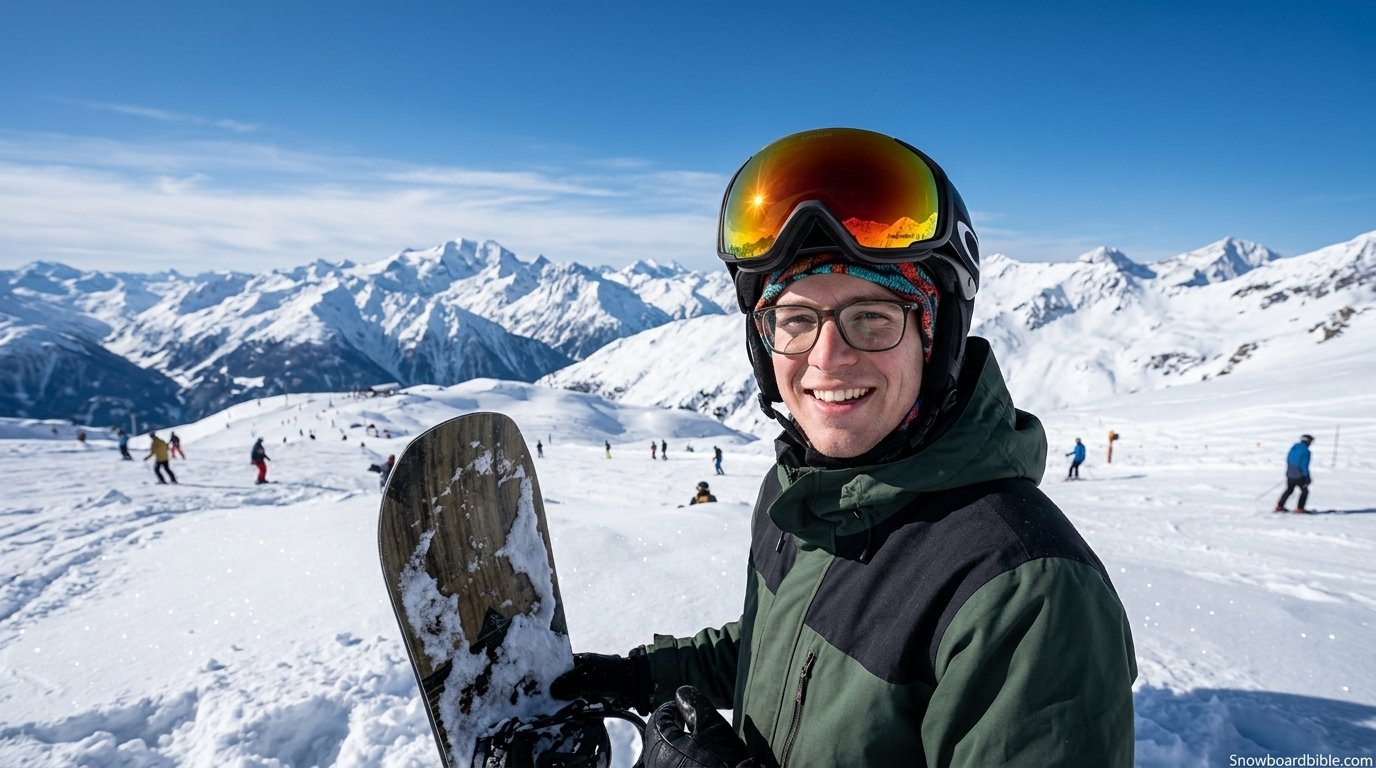
Can You Snowboard With Glasses? What Every Rider With Vision Correction Needs to Know
If you wear prescription glasses and love snow, you’ve probably asked yourself this before ever clicking into a binding: can you actually snowboard with glasses on, or are you setting yourself up for a foggy, uncomfortable, dangerous day on the mountain? The short answer is yes — but the long answer involves goggles, fit, fog management, and a few tricks that make the difference between a great day and a miserable one.
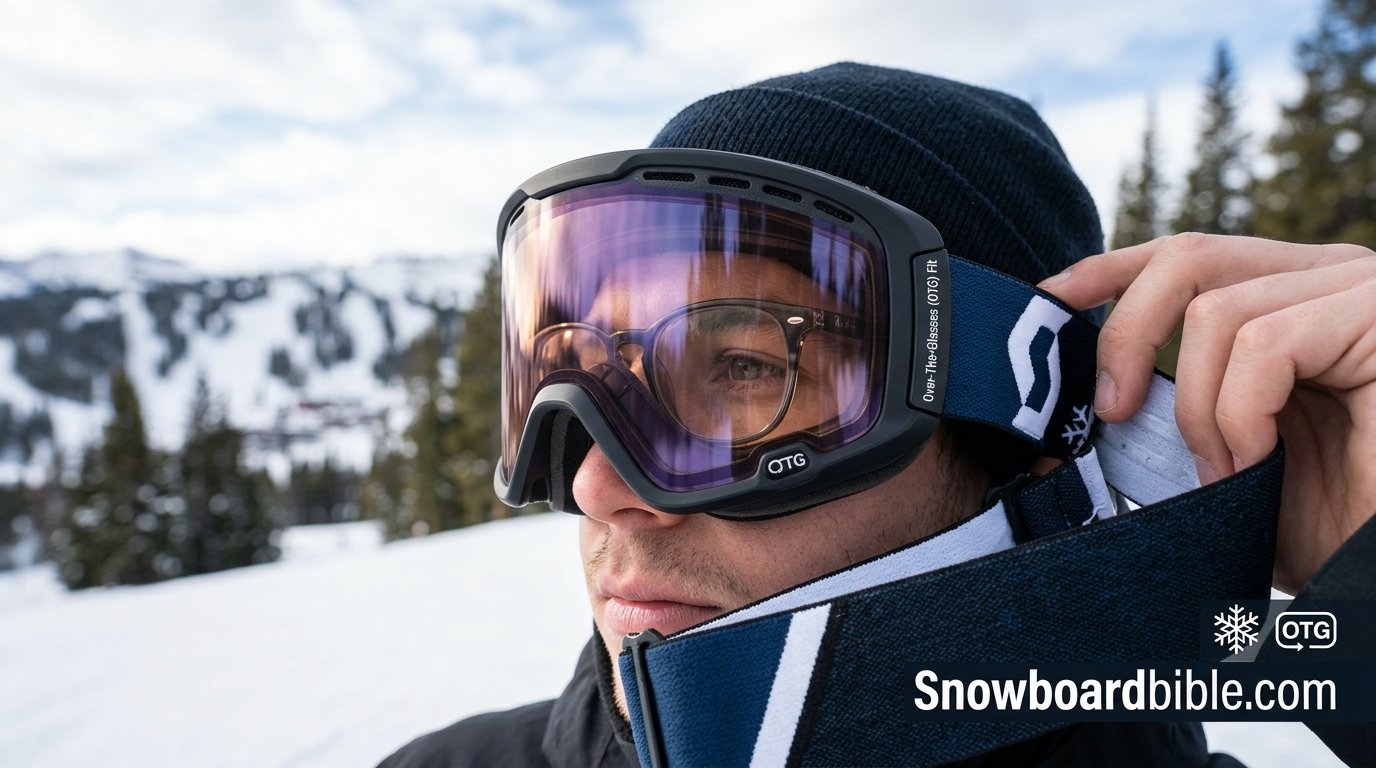
The Quick Answer: Yes, You Can Snowboard With Glasses
Let’s clear this up right away, because it’s the single most common worry glasses-wearers have before their first day on a board: wearing glasses while snowboarding is completely normal, completely doable, and something thousands of riders do every single season without a second thought. You do not need perfect vision to carve turns, hit a park feature, or ride powder. What you do need is the right combination of goggles and a little planning so that your glasses actually work with your gear rather than against it.
The core challenge isn’t whether glasses “work” on a snowboard — it’s whether your eyewear and headwear play nicely together. Glasses frames have arms (temples) that run behind your ears, and goggles need a snug seal against your face to keep out wind, snow, and glare. When those two things collide badly, you get pressure points, fogging, and a squished, uncomfortable fit. When they’re paired correctly, you barely notice your glasses are there.
Why This Question Comes Up So Often
Anyone who has worn glasses their whole life knows the peculiar anxiety of combining eyewear with an activity that involves wind, exertion, temperature swings, and headgear. Snowboarding checks every one of those boxes at once. You’re moving fast enough to generate real wind chill, your body heat rises as you carve and hike, the air temperature can swing by twenty degrees between the base and the summit, and on top of all that, you’re strapping equipment onto your head that has to seal against your skin to do its job.
It’s a fair question, and it’s one that beginner riders ask constantly in online forums, gear shops, and lesson lines at resorts. Unlike running or cycling, where glasses mostly just sit under a helmet or nothing at all, snowboarding introduces goggles into the mix — a piece of gear specifically designed to create an airtight seal around your eyes. That seal is fantastic for blocking wind and glare, but it’s also exactly the kind of environment that traps moisture and heat, which is the recipe for fogged-up lenses.
Add to that the fact that a day of snowboarding usually spans several hours of continuous temperature and humidity changes, several exertion levels (from gentle groomers to breathless park laps), and multiple lighting conditions from flat overcast light to blinding sun on fresh snow, and you start to see why this question deserves a proper, detailed answer rather than a one-line dismissal.
If you’re new to the sport in general, it’s worth pairing this guide with a broader resource like our snowboard beginner tips article, since a lot of first-day frustration has nothing to do with glasses at all and everything to do with stance, boot fit, and technique.
Glasses vs. Contacts on the Mountain: The Real Trade-Offs
Before diving into goggles, it helps to understand how glasses actually compare to the alternative most people suggest first: contact lenses. Both options work, but they come with genuinely different trade-offs that depend on your eyes, your budget, and your tolerance for hassle.
Glasses: The Case For
Glasses require zero daily insertion routine, they don’t dry out in cold, dry mountain air the way contacts sometimes do, and if you already own a pair, there’s no added cost. For riders who only hit the slopes a handful of days a year, buying a box of daily contacts or dealing with lens solution in a shared condo bathroom can feel like overkill compared to just grabbing your regular glasses and a properly sized pair of goggles.
Glasses: The Case Against
The downside is real: glasses add bulk under goggles, they can press against your temples, they fog more readily than bare eyes, and if you crash hard, you’re now dealing with a frame that could shift, bend, or dig into your face. They can also slide down your nose during aggressive riding or when you’re sweating on a warm spring day.
Contacts: The Case For
Contact lenses solve the goggle-fit problem entirely because there’s no frame to accommodate. Any goggle, from a budget pair to a premium magnetic-lens model, fits exactly the way it was designed to. There’s no fogging caused by trapped air around frame arms, no pressure points, and no risk of the glasses shifting mid-run.
Contacts: The Case Against
Cold, dry, high-altitude air can make eyes feel gritty or dry with contacts in, especially on multi-day trips. Some riders also find it awkward to insert or remove lenses in a shared bathroom, in a car, or in a hotel room with imperfect lighting and no mirror. If you’ve never worn contacts before, learning on a ski trip is not the moment to experiment.
| Factor | Glasses | Contact Lenses |
|---|---|---|
| Goggle fit | Requires OTG goggles | Any goggle fits normally |
| Fogging risk | Higher (extra surface + trapped air) | Lower |
| Comfort under helmet | Can press at temples | No interference |
| Daily hassle | None | Insertion/removal routine |
| Dry eye risk in cold air | Low | Moderate to high |
| Cost for occasional riders | Free if already owned | Ongoing lens cost |
| Crash safety | Frame could shift or dig in | No rigid frame on face |
Neither option is objectively “better” — it depends on your eyes, your comfort level, and how often you ride. Plenty of experienced riders switch between the two depending on the trip, using contacts for multi-day powder missions and glasses for casual weekend laps.

Ready to stop guessing and get goggles that actually fit over glasses? Check current prices and reviews on a top-rated OTG goggle.
Shop OTG Goggles on AmazonOver-the-Glasses (OTG) Goggles Explained
The single most important piece of gear for a glasses-wearing snowboarder is a pair of goggles specifically labeled “OTG,” short for “over the glasses.” These aren’t a gimmick or a niche product — they’re a mainstream category built by every major goggle brand precisely because so many riders need them.
What actually makes a goggle OTG-compatible comes down to internal geometry. Standard goggles are shaped to sit close to your face for maximum peripheral vision and minimal bulk. OTG goggles are built with a deeper internal foam channel and a slightly larger frame cavity, giving your glasses’ temple arms somewhere to go without pressing into your skull. Some models also include small notches or cutouts in the foam specifically designed to accommodate temple arms without breaking the seal.
How to Tell If a Goggle Is Truly OTG-Friendly
Not every goggle that claims to fit “most faces” will actually work well with glasses. Look for these signals when shopping:
- Explicit OTG labeling in the product title or description — brands know this is a searched term and label it clearly.
- Deeper foam profile — usually 15–20% more depth than the standard version of the same goggle.
- Wider internal frame so the lens curvature clears your glasses without lashes or frame corners touching the inside of the lens.
- Adjustable strap tension so you can loosen slightly to reduce pressure on your temples without losing the seal.
Popular OTG-Friendly Categories
Most major goggle lines now offer an OTG version alongside their standard fit, and cylindrical (flat) lens goggles tend to have slightly more room than deeply spherical lenses, simply because of how the lens curves away from your face. If you’re also shopping for other eyewear-adjacent gear like a helmet, our best snowboard helmets guide covers models that pair especially well with bulkier OTG goggles.
Common Fit Problems and How to Fix Them
Even with a proper OTG goggle, riders run into a handful of recurring fit issues. Here’s what typically goes wrong and how to solve it without buying a whole new setup.
Problem 1: Pressure at the Temples
This happens when the goggle strap is too tight or the foam depth isn’t quite enough for your specific frame thickness. Loosen the strap slightly — OTG goggles are designed to seal well even with a bit less tension than standard goggles need. If pressure persists, look for thinner-profile glasses frames, since chunky plastic frames are the most common culprit.
Problem 2: Glasses Sliding Down Mid-Run
Sweat, cold-induced numbness in your nose bridge, and the vibration of riding can all cause glasses to creep down. A silicone nose-pad grip (a cheap add-on available at most pharmacies or optical shops) solves this almost completely, as does choosing frames with an adjustable or high-grip nose bridge.
Problem 3: Gaps at the Cheek or Brow Letting in Wind
Thicker glasses frames can sometimes lift the goggle slightly away from your face at the top or sides, creating a gap. Sizing up to a larger OTG goggle frame, or switching to thinner wire-frame glasses, typically resolves this.
Problem 4: Reduced Peripheral Vision
Bulkier frames combined with the goggle’s internal geometry can slightly narrow your field of view compared to riding without glasses. This is rarely dangerous, but if you’re a park rider who relies on peripheral awareness, prioritize slim, low-profile frames and a wide-lens OTG goggle.
For riders whose fit issues are more about the helmet-goggle interface than the glasses themselves, it’s worth checking our guide on gear fit fundamentals as a reminder that dialing in fit across all your equipment compounds comfort, not just goggles alone.
Fogging: The #1 Enemy of Glasses-Wearing Riders
If there’s one complaint that comes up more than any other from glasses-wearing snowboarders, it’s fog. You’ve got warm, moist breath and body heat trapped inside a sealed goggle, cold air outside, and now an extra glass or plastic surface for condensation to form on. It’s genuinely the toughest part of this whole equation, but it’s very manageable once you understand what causes it.
Why Fog Happens
Fog is simply condensation — warm, humid air inside the goggle hitting a cooler lens surface and turning to tiny water droplets. Glasses add a second cool surface (the lens of your glasses) sitting even closer to your warm face, which is why glasses-wearers often notice fog forming on their actual prescription lenses even when the goggle’s own anti-fog coating is doing its job.
Fog-Fighting Strategies That Actually Work
- Double-lens goggles only. Never use single-lens goggles for anything beyond casual, low-effort riding. Double lenses create an insulating air gap that dramatically reduces temperature difference between the inner and outer lens.
- Anti-fog spray on your glasses, applied before you leave the house, not on the lift. Most sprays need a few minutes to cure properly.
- Never touch the inside of your goggle lens — the anti-fog coating wears off with contact, and fingerprints attract moisture.
- Keep goggles on your face, not your forehead, when stopped. Every time you push goggles up, warm air rushes in and out, and cold air hits a warm lens on the way back down.
- Ventilation matters. Goggles with active foam vents or brands known for airflow channels manage humidity far better than fully sealed budget models.
- Manage your own body heat. Overdressing causes you to sweat more, which raises humidity inside your goggle and glasses alike. Dialing in your layering system reduces fog indirectly by keeping your face and head from overheating.
What Reduces Fog
- Double-pane goggle lenses
- Anti-fog spray applied in advance
- Active venting goggles
- Balanced layering (not overheating)
- Keeping goggles down, not pushed up
What Makes Fog Worse
- Single-lens, budget goggles
- Touching the inner lens
- Constantly flipping goggles up and down
- Overdressing and sweating heavily
- Riding with a wet, unbreathable balaclava sealing airflow
Prescription Inserts and Clip-Ins: A Glasses-Free Alternative
If OTG goggles still feel bulky or you’re tired of managing fog on two separate lens surfaces, there’s a middle path worth knowing about: prescription goggle inserts. These are small, custom-cut lenses that clip into the inside of specific goggle models, correcting your vision without needing your regular glasses at all.
How They Work
An optical shop (or certain specialty online retailers) takes your prescription and grinds a small insert lens sized to snap into designated mounting posts inside a compatible goggle. Once installed, you see clearly through the goggle itself, with no separate glasses frame anywhere near your face.
Pros of Prescription Inserts
- Eliminates the bulk and pressure points of wearing glasses under goggles entirely.
- Removes one whole lens surface from the fog equation.
- Gives you full compatibility with any goggle model that supports insert posts, including non-OTG designs.
Cons of Prescription Inserts
- Only works with goggles that have insert mounting posts — not universal.
- Costs more upfront than simply buying OTG goggles.
- You need a separate insert for each goggle you own, and you can’t just swap your everyday glasses in for a quick errand at the lodge.
For frequent riders who snowboard dozens of days a season, the upfront cost of an insert often pays for itself in comfort. For occasional riders, standard OTG goggles remain the simpler, cheaper choice.

Whichever route you choose, anti-fog spray is a cheap insurance policy. Keep a bottle in your jacket pocket all season.
Shop Anti-Fog Spray on AmazonHelmets, Glasses, and Goggle Compatibility
Glasses don’t just interact with goggles — they interact with your helmet too, since the goggle strap runs across the back of the helmet and the helmet’s ear pads sit close to your temples, exactly where your glasses’ arms also live.
Helmets with adjustable, low-profile ear pads generally cause fewer pressure conflicts than helmets with thick, fixed padding. If you already struggle with temple pressure from your glasses alone, a helmet that clamps tightly at the sides will only compound the problem. When shopping, prioritize helmets advertised as having a “goggle-compatible” brim and adjustable fit dial rather than a one-size foam-only design.
It’s also worth checking that your helmet’s brim doesn’t push your goggles downward onto the bridge of your glasses. A gap between helmet and goggle (sometimes called “gaper gap” when it’s too wide) isn’t just an aesthetic issue in resort culture — a properly sized helmet-goggle combo keeps wind out and keeps the goggle seal consistent around your glasses frame. For a deeper dive into finding a helmet that fits your whole face shape and gear stack, see our best snowboard helmets roundup, and if you’re also picking headwear for underneath, our best snowboard beanies guide covers thin, helmet-friendly options that won’t add unnecessary bulk near your temples.
Alternatives to Consider: Contacts, Prescription Sunglasses, and LASIK
Glasses and OTG goggles are the most common solution, but they’re not the only path. Depending on your budget, your eyes, and how seriously you take the sport, a few alternatives are worth a mention.
Daily Disposable Contacts
As covered earlier, daily disposables are popular among riders who want the cleanest goggle fit without committing to inserts. They’re relatively inexpensive per pair and eliminate any need to carry a case or solution on the mountain — just insert in the morning and toss them at night.
Photochromic or Tinted Prescription Lenses in Your Goggles
Some optical retailers can fit tinted or photochromic prescription lenses directly into insert-compatible goggles, effectively combining sunglasses and goggles into one unit. This is a premium option but extremely convenient for riders who split time between bright bluebird days and flat, overcast light. Our photochromic vs. polarized goggles comparison is a useful next read if lens tint technology interests you.LASIK or Other Vision Correction Surgery
This is obviously a much bigger decision that goes well beyond snowboarding gear, but it’s worth mentioning because plenty of frequent riders cite exactly this frustration — fogging, pressure, and fit hassle — as part of what finally pushed them toward corrective surgery. This is a personal medical decision that should be made with an eye care professional, not because of a single hobby, but it’s a legitimate long-term alternative some riders pursue.
| Option | Upfront Cost | Ongoing Effort | Best For |
|---|---|---|---|
| OTG Goggles + Glasses | Low–Medium | Low | Occasional riders |
| Prescription Inserts | Medium–High | Low | Frequent riders, multiple goggles |
| Daily Contacts | Low per use | Medium (daily routine) | Riders comfortable with contacts |
| Tinted Prescription Inserts | High | Low | Riders in variable light conditions |
| LASIK | Very High (one-time) | None after healing | Long-term, multi-sport riders |
Buying Guide: What to Actually Look for in OTG Goggles
With dozens of goggle models on the market, it helps to narrow your decision down to a short checklist rather than getting overwhelmed by marketing claims. Here’s what genuinely matters for a glasses-wearer.
1. Confirmed OTG Foam Depth
Look specifically for “OTG” in the name or description, and if possible, read verified reviews from other glasses-wearers, since foam depth claims vary more than brands like to admit.
2. Double-Lens Construction
Non-negotiable for fog control, as discussed earlier. Skip anything advertised as single-lens unless it’s strictly for occasional, mellow use in cold, dry climates.
3. Interchangeable Lenses
Being able to swap a low-light lens for a bright-day lens without buying a second goggle saves money and reduces the number of times you need to fit a new goggle over your glasses from scratch.
4. Strap Adjustability
A strap with a wide range of tension lets you fine-tune pressure specifically to accommodate glasses temples, which is something fixed-length straps can’t offer.
5. Wide Field of View
Since glasses can slightly reduce peripheral vision, prioritize goggles with a wraparound, spherical lens shape to compensate.
6. Vent Placement
Foam or frame vents positioned near the top and bottom of the goggle circulate air more effectively than vents clustered in one spot, which matters even more when you’ve added a second lens surface (your glasses) to the equation.

Look for double-lens, OTG-labeled goggles with adjustable straps for the best glasses-friendly experience on the mountain.
Browse Double-Lens Goggles on AmazonComparison Table: Best Option by Rider Type
| Rider Type | Recommended Setup | Why |
|---|---|---|
| Beginner, rides a few days a year | OTG goggles + existing glasses | No added cost, minimal commitment |
| Weekend warrior, 10–20 days a season | OTG double-lens goggles + anti-fog spray routine | Balances cost and comfort |
| Park and freestyle rider | Slim frames + wide-lens OTG goggles or contacts | Maximizes peripheral vision for tricks |
| Backcountry / all-day tourer | Prescription inserts or contacts | Reduces fog risk over long exertion periods |
| Frequent rider, 30+ days a season | Prescription inserts in a premium goggle | Cost pays off over many days, best comfort |
Whatever category you fall into, pairing the right eyewear strategy with a properly fitted board setup matters just as much for an enjoyable day. If you’re still dialing in your overall gear, our how to choose your first snowboard guide and snowboard sizing guide are excellent companion reads.
Pro Tips From Experienced Glasses-Wearing Riders
- Warm your goggles before you put them on. Stashing them inside your jacket for the chairlift ride, or keeping them in an inside pocket before your first run, reduces the temperature shock that triggers fog.
- Carry a microfiber cloth, not your glove. Wiping fog or moisture off your glasses with a wet glove smears the coating and makes things worse. A dedicated microfiber cloth in your jacket pocket is a game changer.
- Test your full setup at home first. Put on your glasses, your goggles, and your helmet together in your living room before your trip. It’s far easier to notice and fix a pressure point at home than at the base of a lift.
- Consider a strap extender if your goggles feel too tight with glasses underneath — cheap silicone extenders add length without needing a new goggle entirely.
- Keep spare contact lenses in your bag even if you primarily wear glasses, in case fog or fit becomes unmanageable mid-trip and you want a backup plan for the next day.
- Match your base layer neckwear to reduce breath escaping upward. A gaiter or neck buff pulled too high pushes your warm breath straight into your goggles. Keep it just below your nose.
Many of these habits overlap with general cold-weather riding skills. Our snowboard layering guide is worth bookmarking alongside this article, since body heat management is directly tied to fog control.
Safety Considerations for Riders Who Wear Glasses
Beyond comfort, there are a few genuine safety points worth taking seriously if you snowboard in glasses.
Impact Risk
In a fall, rigid glasses frames can theoretically press into your face or shatter, though modern frames made from flexible plastics or titanium are far more forgiving than old-school rigid metal frames. If you crash frequently or ride aggressively in the park, consider sport-specific frames with flexible, shatter-resistant lenses, or transition to contacts for high-impact riding days.
Fogged Vision Mid-Run
A sudden fog-out while riding is more than an annoyance — it’s a genuine visibility hazard on a crowded slope or in variable terrain. If your goggles fog up mid-run, the safest move is to slow down, pull off to the side of the trail, and clear your vision rather than trying to push through impaired sight. This is one more reason the fog-prevention habits from earlier in this guide aren’t just about comfort.
UV and Glare Protection
Snow reflects a significant amount of UV light, and your regular prescription glasses likely don’t offer the same UV protection or glare-cutting tint that goggle lenses provide. Always rely on your goggle’s lens tint for sun and glare protection rather than assuming your glasses alone are doing the job.
General safety fundamentals apply here too — if you’re newer to the sport, our snowboard fall safety guide and injury prevention resource are worth reading alongside your eyewear planning.
Frequently Asked Questions
Can you snowboard with glasses under regular goggles?
You can try, but standard goggles are shaped for a close, low-profile fit and often press glasses temples uncomfortably into your head. OTG (over-the-glasses) goggles are specifically designed with extra internal depth to solve this problem, so they’re strongly recommended over standard goggles.
Do glasses fog up more than goggles alone?
Yes, generally. Adding a second lens surface close to your warm face gives condensation another place to form. Double-lens, well-vented OTG goggles combined with anti-fog spray on your glasses significantly reduce this issue.
Is it better to wear contacts instead of glasses for snowboarding?
Contacts eliminate the extra bulk and fog risk that glasses introduce, and they let you use any goggle without needing an OTG-specific fit. However, cold, dry mountain air can make contacts feel uncomfortable for some people over a full day, so it comes down to personal preference and how your eyes handle the conditions.
What are OTG goggles?
OTG stands for “over the glasses.” These goggles have a deeper internal foam channel and wider frame cavity specifically built to accommodate the temple arms of prescription glasses without creating painful pressure points or breaking the goggle’s seal.
Can prescription lenses be built directly into goggles?
Yes, through prescription inserts — small custom lenses that clip into designated mounting posts inside certain goggle models. This removes the need to wear separate glasses altogether, though it only works with goggles designed to accept inserts.
Will my glasses fall off if I fall while snowboarding?
It’s possible, especially with a hard, direct impact, which is why a snug (but not painfully tight) goggle strap and a well-fitted frame matter. Silicone nose grips and a properly sized OTG goggle both reduce the chance of your glasses shifting or falling off during a fall.
Do glasses reduce peripheral vision while riding?
Bulkier frames can slightly narrow your field of view compared to riding bare-eyed, but pairing slim frames with a wide, spherical-lens goggle largely compensates for this. Most riders don’t notice a meaningful difference once they’re properly fitted.
How do I stop my glasses from sliding down my nose while snowboarding?
Silicone nose-pad grips, available cheaply from pharmacies or optical shops, are the most effective fix. Choosing frames with an adjustable or high-friction nose bridge also helps prevent slipping caused by cold-induced numbness or sweat.
Are single-lens goggles okay if I wear glasses?
Single-lens goggles are far more prone to fogging in general, and adding glasses only increases that risk. Double-lens goggles, which create an insulating air gap, are strongly recommended for anyone wearing glasses under their goggles.
Can kids who wear glasses snowboard safely?
Absolutely. Many junior-sized OTG goggles exist specifically for young riders who wear glasses, and the same fit and fogging principles apply regardless of age. A properly fitted, flexible-frame pair of glasses paired with a kid-sized OTG goggle works well for young riders.
Does helmet choice affect how well glasses and goggles fit together?
Yes. Helmets with thick, fixed foam ear pads can add pressure right where glasses temples already sit, compounding discomfort. Helmets with adjustable, lower-profile padding and a goggle-compatible brim generally create a more comfortable combined fit.
Should I get LASIK just so I can snowboard more comfortably?
Vision correction surgery is a significant personal medical decision that should be discussed with an eye care professional based on your overall vision needs, not decided around a single hobby. That said, some frequent riders do cite goggle discomfort as one of several reasons they eventually pursued it.
Conclusion: Glasses Won’t Hold You Back
Wearing glasses is not a barrier to enjoying snowboarding at any level, from your very first lesson to advanced backcountry touring. The entire industry has built specific solutions — OTG goggles, prescription inserts, anti-fog technology, and adjustable helmets — precisely because so many riders need their vision corrected on the mountain. The key takeaways are simple: choose double-lens OTG goggles built with real depth for glasses frames, manage fog proactively rather than reactively, dial in your helmet and goggle combination together, and consider inserts or contacts if you ride often enough for the upfront cost to make sense.
Once your eyewear setup is dialed in, the rest of your riding experience comes down to the same fundamentals every snowboarder works on: stance, balance, board choice, and time on snow. If you’re still building out your kit, browse our homepage for the full library of buying guides, technique breakdowns, and gear reviews to get you fully ready for the season.
Shop OTG Snowboard Goggles on Amazon


