
An American Snowboarder in the Alps: A Guide to Europe’s Top Resorts
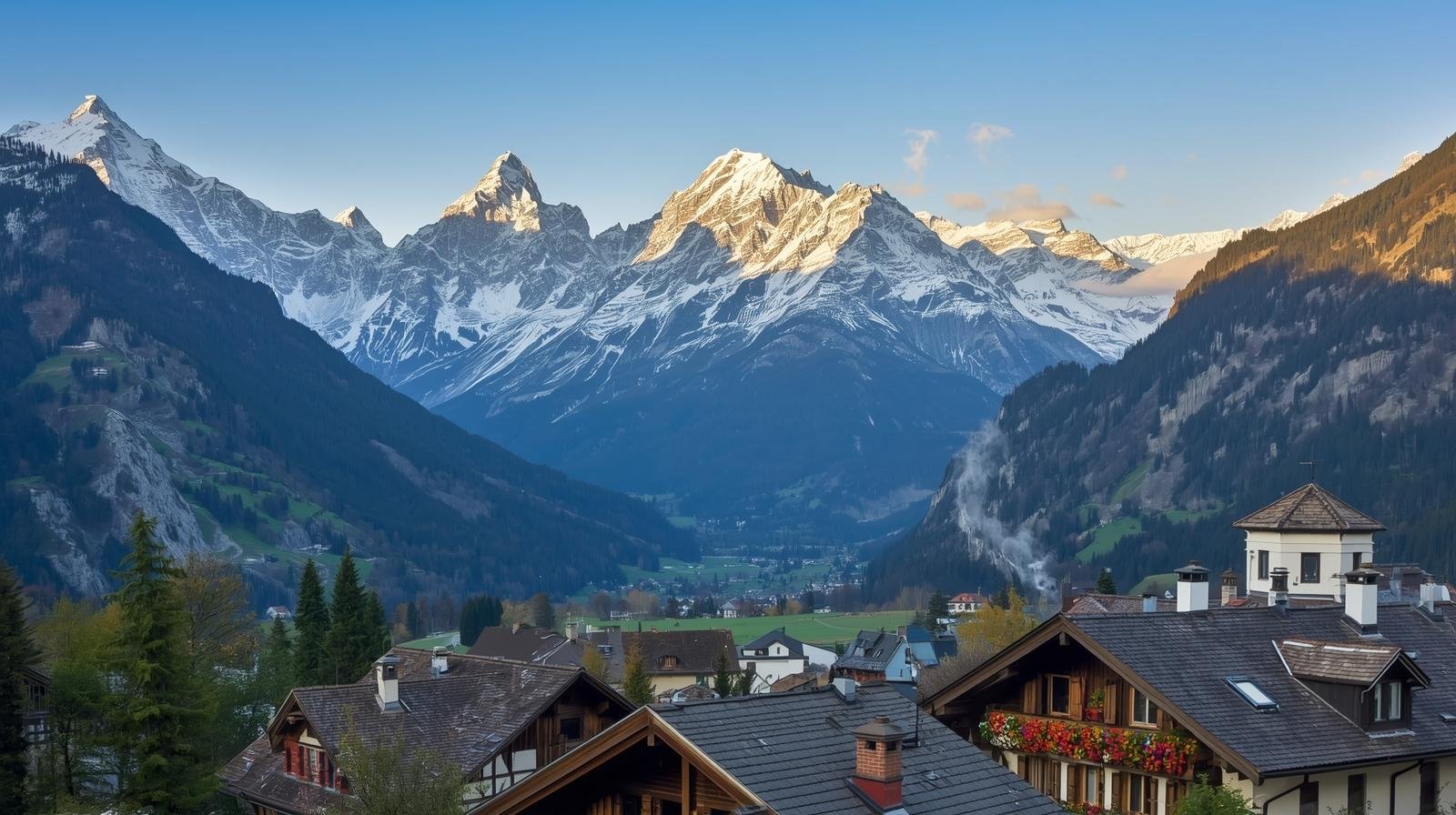
My first run in the Alps was a culture shock. I dropped off a lift in Chamonix, expecting a clearly marked trail, but found myself staring at a vast, ungroomed glacier field. A sign with a skull and crossbones warned of crevasses. This, I quickly realized, was not Colorado. Lunch wasn’t a chili bread bowl; it was cheese fondue and a glass of wine in a mountain hut older than my country. That trip recalibrated my entire understanding of what a “ski resort” could be. It wasn’t just a place to ride; it was a journey through history, culture, and mountains on a scale I had never imagined.
For any American snowboarder, a trip to the Alps is a bucket-list pilgrimage. It’s a chance to ride the biggest mountains in the world, explore charming villages, and experience a snowboard culture that’s both deeply traditional and wildly progressive. This guide is written specifically for you, the U.S. rider. We’ll decode the cultural differences, explore the legendary resorts that belong on any list of the world’s best snowboarding destinations, and give you the practical advice you need to plan an unforgettable transatlantic adventure.
Decoding the Alps: What Every American Rider MUST Know Before You Go
Things are different over there. Understanding these key distinctions will save you from confusion, frustration, and potentially dangerous situations.
- Piste Ratings are Different: Forget Green circles. The European color code is generally: Blue (Beginner/Easy), Red (Intermediate – often as steep as a U.S. Black Diamond), and Black (Expert). An “Itinerary” or “Yellow” run is a marked but ungroomed and uncontrolled freeride route.
- “Off-Piste” is Truly Wild: In the U.S., the area between marked trails within the resort boundary is generally controlled for avalanches. In Europe, if you are not on a marked and groomed piste, you are in the backcountry. It is unsecured, unpatrolled, and you are 100% on your own. Avalanche gear and knowledge are not optional; they are essential. This is not an exaggeration. Our guide to backcountry snowboarding is mandatory reading before you even think about ducking a rope.
- The Scale is Mind-Boggling: You’re not buying a lift ticket for a single mountain; you’re often buying a pass to an entire region of interconnected valleys and villages. It’s possible to ride from one town to the next for lunch and take a bus or train home. It’s a public transport system, on snow.
- Après-Ski is a National Sport: Forget a quiet beer at the base. In Austria, “après-ski” involves dancing on tables in your snowboard boots to Europop music at 4 PM. It’s an experience you have to see to believe.
The Legends of the Alps: A Snowboarder’s Hit List
Choosing where to go is the hardest part. The Alps are vast. We’ve broken down the must-visit resorts by the kind of experience they offer, helping you find your perfect European adventure.
For the Big-Mountain Freerider: Chamonix, France
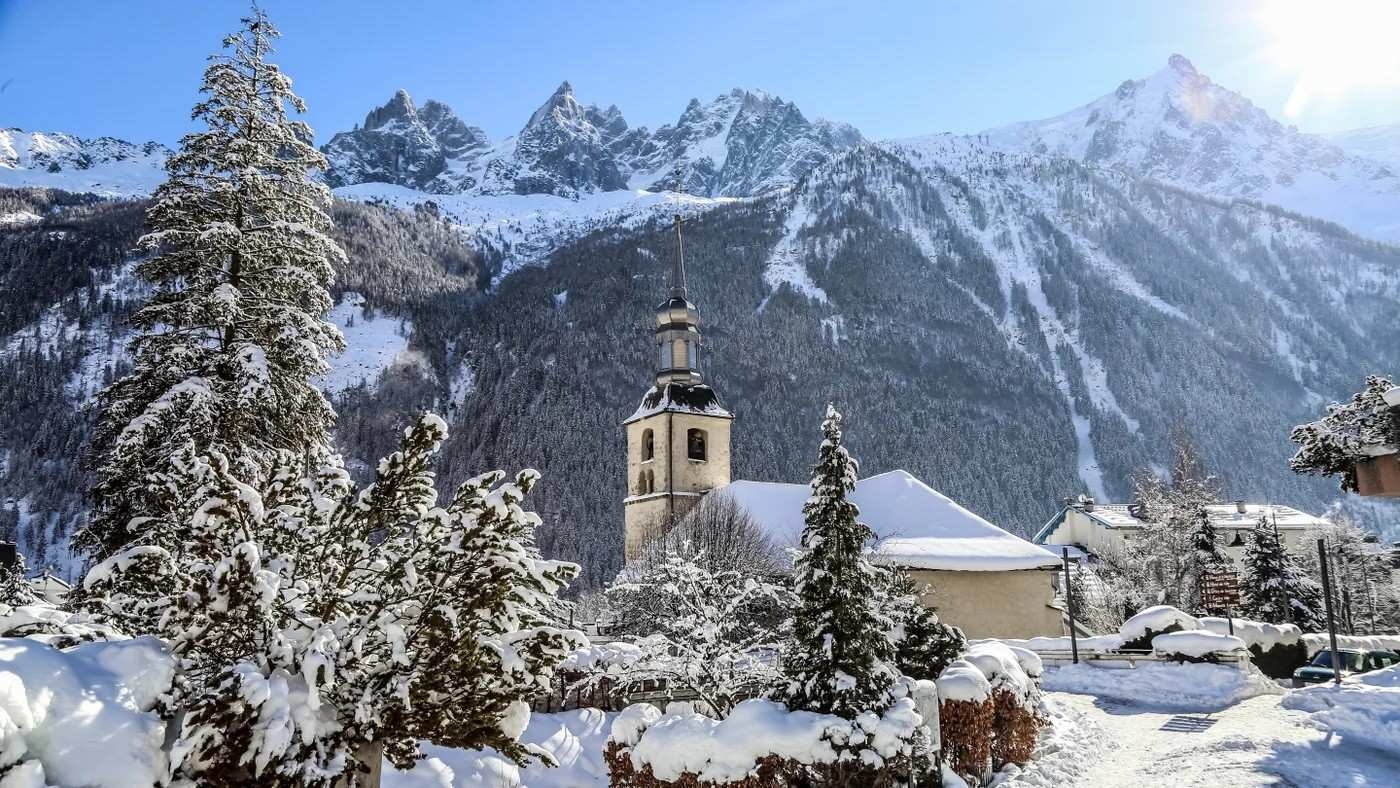
Chamonix: The Freeride Capital of the World
Nestled at the foot of Mont Blanc, the highest peak in the Alps, Chamonix is not for the faint of heart. It’s not a single, friendly resort like you’d find when snowboarding in Colorado. It’s a collection of separate, formidable ski areas spread along a valley, each offering some of the most challenging lift-accessed terrain on Earth. The crown jewel is the Aiguille du Midi cable car, which whisks you to a dizzying 12,605 feet. From there, you can hire a guide to descend the legendary Vallée Blanche, a 12-mile-long glacial route that is one of the most iconic off-piste runs in the world. This is snowboarding in its rawest form.
What many American riders don’t realize about Chamonix is that the town itself is a living, breathing alpine community—not a purpose-built ski resort. The streets are filled with climbing shops, patisseries, and mountaineering history. You’re surrounded by some of the most serious alpinists on the planet, and the energy is palpable. The Brévent-Flégère area on the south-facing side of the valley offers incredible freeride terrain with stunning views of Mont Blanc, while Grands Montets on the north-facing side holds powder longer and provides some of the steepest lift-served terrain in Europe.
For riders who love the idea of splitboarding, Chamonix is paradise. The Vallée Blanche descent begins at the Aiguille du Midi station at over 12,000 feet and winds down through the Mer de Glace glacier to the town of Les Houches—a vertical drop of nearly 9,000 feet that will leave your legs screaming and your soul singing. Hire a guide for your first time. Seriously. The glacier is riddled with crevasses, and the navigation required to find a safe line through the icefall is beyond the skills of even experienced backcountry riders.
Verbier: The Freeride World Tour Mecca
SWITZERLANDVerbier is the epicenter of the massive 4 Vallées ski area in Switzerland. It’s more polished than Chamonix but offers equally terrifying and thrilling terrain. The backside of Mont Fort is a playground of steep faces, couloirs, and cliffs that hosts the finals of the Freeride World Tour. What makes Verbier special is its network of “itinerary” runs—marked but ungroomed routes that allow you to test your freeride skills in a slightly more controlled environment. The town itself is a sun-drenched, cosmopolitan hub with a vibrant and upscale party scene.
Verbier also serves as the gateway to one of the most legendary off-piste descents in the world: the Mont Fort Glacier. From the summit at 11,000 feet, you’re looking at a 5,000-foot descent of consistent pitch that ranges from powder fields to technical chutes. The Verbier Stash, a natural snow park hidden in the trees, offers a completely different experience—think log rides, natural hip jumps, and wall rides carved into the landscape. It’s a refreshing change of pace from the intense freeride terrain that dominates the area.
For intermediate riders, Verbier’s Savoleyres sector is a hidden gem that most tourists overlook. It faces south, catches incredible afternoon sun, and offers wide, flowing red runs with far fewer crowds than the main Bruson and Mont-Fort sectors. Take the free bus from town—it’s worth the trip. The 4 Vallées network connects to resorts like Nendaz, Veysonnaz, and Thyon, giving you access to over 250 miles of piste. You could spend an entire week here and barely repeat a run.
From an American’s Perspective:
These places demand respect. Do not attempt the serious off-piste without a certified local guide. They are worth every penny and will not only keep you safe but also show you the best, hidden stashes of snow. The scale is immense; a trail map is your bible. English is widely spoken, but a “bonjour” or “merci” goes a long way. Also, be aware that lift lines in France and Switzerland operate on a completely different system—there are no individual ticket windows at most lifts. You buy a pass online or at the resort office, and then you simply walk through the turnstile. No fumbling for paper tickets or waiting in a ticket window line. It’s efficient but can be confusing the first time.
For the Mega-Resort Explorer: Les 3 Vallées, France
The Three Valleys: The World’s Largest Lift-Linked Ski Area
Try to wrap your head around this: over 370 miles of pistes, 160 lifts, all connected and accessible on a single pass. The Three Valleys is the size of a national park. It’s comprised of several world-famous resorts, each with its own character. Courchevel is the chic, ultra-luxury destination with immaculate grooming. Méribel is the charming, centrally-located hub. And Val Thorens is the highest resort in Europe, a snow-sure paradise with a younger, more energetic vibe.
My first day here, I snowboarded from Courchevel to Val Thorens and back, a journey that took almost the entire day and covered dozens of miles without ever riding the same lift twice. The sheer freedom of exploration is unparalleled. While it has endless terrain for experts, it’s also a surprisingly good destination for intermediates due to the vast network of wide, cruising red and blue pistes that connect the valleys. Even beginners can find excellent learning zones, though for a first-timer, a dedicated spot from our guide to snowboarding resorts for beginners might be less overwhelming.
What makes Les 3 Vallées particularly appealing for American riders is the sheer variety. You can spend your morning carving groomed corduroy in Courchevel 1850, where the luxury chalets have private ski-in/ski-out access and the restaurants serve Michelin-starred cuisine, then spend your afternoon charging through the powder stashes above Val Thorens, where the terrain park features world-class kickers and a superpipe. The resort of Les Menuires often gets overlooked, but it’s arguably the best value in the entire domain—accommodation is more affordable, the crowds are thinner, and the riding is just as good. Many experienced locals consider Les Menuires the secret weapon of the Three Valleys.
The interconnected nature of the Three Valleys means that the riding possibilities are genuinely endless. On a powder day, you can chase the best snow across the entire domain—when the western valleys of Courchevel and Méribel get hammered by Atlantic storms, the eastern sector around Val Thorens might be clear and cold, holding weeks-old powder on north-facing aspects. This kind of variety within a single lift pass is something that simply doesn’t exist in North America. The closest comparison might be Whistler Blackcomb, but even that feels compact by comparison. Les 3 Vallées is a full week of exploration, minimum, and many riders find that two weeks barely scratches the surface.
For the Scenery & Style Seeker: Zermatt, Switzerland

Zermatt: Riding in the Shadow of the Matterhorn
No mountain is more iconic than the Matterhorn, and in Zermatt, it’s your constant companion. The scenery here is so dramatic it almost feels fake. The resort is a charming, car-free village with horse-drawn carriages and old-world Swiss charm. The riding is world-class, spread across three sectors that are also linked to the Italian resort of Cervinia. You can literally snowboard across the border for a pasta lunch and be back in Switzerland for après-ski. The runs are long, the views are breathtaking, and the on-mountain dining is some of the best in the world.
The Gornergrat railway, one of the highest open-air railways in Europe, takes you from the village at 5,300 feet to the Gornergrat summit at over 10,000 feet in about 33 minutes. The descent back down is a 9-mile run that offers some of the most scenic snowboarding you’ll ever experience, with views of 29 peaks over 13,000 feet and the massive Gorner Glacier. Zermatt’s highest lift, the Klein Matterhorn (also called the Matterhorn Glacier Paradise), reaches 12,740 feet—making it the highest cable car station in Europe. From here, you can ride down into Cervinia on the Italian side, where the terrain is gentler and the pasta is incredible.
One thing that surprises many American riders about Zermatt is the village itself. Because cars are banned, the village has maintained an old-world character that’s increasingly rare in ski resorts. Electric taxis and horse-drawn carriages provide transport, and the streets are filled with excellent restaurants, boutique hotels, and outdoor gear shops. The après-ski scene is sophisticated—think wine bars and fondue restaurants rather than beer-fueled parties. For riders who value the total experience of a European snowboard trip, Zermatt delivers on every level. The fact that you’re snowboarding on the same glacier that the Matterhorn Expedition of 1865 set out from adds a layer of historical gravitas that’s hard to put into words.
Cortina d’Ampezzo: La Dolce Vita on Snow
ITALYSet amidst the stunning, jagged limestone peaks of the Dolomites (a UNESCO World Heritage site), Cortina is where Italian style meets high-alpine adventure. The riding is fantastic, part of the massive Dolomiti Superski area, but the experience is about more than just the slopes. It’s about long, sun-drenched lunches at mountain “rifugios,” sipping prosecco and enjoying the scenery. The town is chic and fashionable, and the vibe is quintessentially Italian—relaxed, stylish, and focused on enjoying life.
The Dolomiti Superski pass gives you access to 12 interconnected ski areas and over 745 miles of piste—one of the largest lift-linked ski domains in the world. The Sellaronda, a circular route around the massive Sella massif, is a must-do for any intermediate or advanced rider. It’s a full day of snowboarding through four valleys—Alta Badia, Val Gardena, Arabba, and Val di Fassa—with lunch stops at each valley’s rifugios. The route is entirely lift-linked and well-signed, making it an incredible day of exploration without ever needing to consult a map.
What sets the Italian resorts apart from their French and Swiss counterparts is the food. Mountain dining in Italy is a religious experience. Forget the overpriced, mediocre cafeteria food you might find at some North American resorts. In the Dolomites, rifugios (mountain huts) serve handmade pasta, polenta with mushrooms, local cheeses, and incredible wines—all at prices that would make a Colorado resort blush. A multi-course lunch at 8,000 feet with a glass of local Lagrein wine might cost you 20 Euros. It’s not uncommon to see riders lingering at rifugio tables for hours, savoring the food and the views. This is the European mountain experience at its finest.
From an American’s Perspective:
Cortina hosted the 1956 Winter Olympics and will co-host the 2026 Winter Olympics with Milan. The town has a glamorous history that’s visible in its architecture and nightlife. The Tofane cable car, which serves some of the most challenging terrain in the Dolomites, was a highlight of my trip. Also, the Italian “sci pasquale” (weekend ski culture) means that Saturdays and Sundays can be incredibly crowded at Cortina, especially during Italian school holidays. If you can swing a midweek trip, you’ll have a completely different experience. And don’t miss the Ice Skating Club—Cortina has one of the most beautiful open-air ice rinks in Europe, set against the backdrop of the Dolomite peaks.
For the Party Rider & All-Mountain Explorer: St. Anton am Arlberg, Austria
If you’ve ever dreamed of a snowboard trip that seamlessly blends world-class freeride terrain with legendary nightlife and an incredibly lively village atmosphere, St. Anton am Arlberg is your answer. Widely considered the birthplace of Alpine skiing, this Austrian powerhouse sits at the heart of the massive Ski Arlberg domain—a 125-mile interconnected paradise that includes the resorts of Lech, Zürs, Stuben, and Warth-Schröcken. The terrain here is vast, varied, and frequently blanketed in some of the best snowfall in the Alps.
St. Anton’s reputation for challenging terrain is well-earned. The resort is famous for its steep groomed runs, extensive off-piste, and an “itinerary” network that gives freeriders a taste of backcountry without fully committing to the untamed mountain. The Valluga, accessible only with a guide, is a 5,000-foot descent that drops you into the back bowls of Zürs—a proper big-mountain experience that rivals anything in North America. For riders who want something less committing, the Galzigbahn area offers a network of intermediate reds and blacks with incredible views of the surrounding peaks.
But what truly sets St. Anton apart is the village itself. The pedestrianized main street is lined with bars, restaurants, and shops that create an atmosphere of organized chaos every afternoon. Après-ski here isn’t just a social event—it’s a full-contact sport. The famous Krazy Kanguruh bar, perched above the village, is where the party starts at 3 PM with DJs, dancing, and an energy that’s infectious. MooserWirt, another legendary spot, serves drinks to a packed crowd that spills out onto the terraces, dancing in their boots as the sun sets behind the Arlberg. For American riders used to a quiet beer at the lodge, this is a revelation. The Austrian concept of “jause” (a late afternoon snack and drink) is elevated to an art form in St. Anton.
The town also offers exceptional dining. From traditional Austrian Gasthäuser serving schnitzel and Kaiserschmarrn (shredded pancakes with plum compote) to upscale restaurants offering modern interpretations of Tyrolean cuisine, the food scene is outstanding. And unlike many French resorts, Austrian dining is remarkably affordable—a hearty three-course meal with drinks at a mid-range restaurant will rarely break the bank. For the American rider looking for the full Alpine experience—challenging terrain, incredible food, legendary nightlife, and an authentic village atmosphere—St. Anton delivers on every front.
From an American’s Perspective:
One thing that took me by surprise in Austria was how late everything runs. Après-ski starts at 3 PM and doesn’t end until well after dark. Dinner reservations at 6 PM feel early—8 or 9 PM is more typical. Also, the Austrian ski school system is outstanding and incredibly affordable compared to the U.S. Even experienced riders benefit from a half-day freeride clinic with a local guide—it’s a fraction of the cost of a private lesson at Vail and you’ll learn terrain reading skills that will serve you for life. The Arlberg pass covers the entire domain, and there’s a free ski bus that connects all the villages, making it easy to explore without a car.
For the Luxury Après Enthusiast: Ischgl, Austria
If St. Anton is the working man’s party town, Ischgl is the VIP lounge. This glamorous Austrian resort has positioned itself as the Monte Carlo of the Alps, attracting celebrities, international jet-setters, and riders who want their freeride terrain paired with five-star dining and world-class entertainment. The resort is connected to the Swiss village of Samnaun, creating the Silvretta Arena—a massive, snow-sure ski domain with over 155 miles of piste and extensive off-piste terrain.
The terrain at Ischgl is surprisingly diverse. While the resort is known for its party reputation, the snowboarding is genuinely excellent. The Idalp area at the top of the mountain offers a wide plateau with long, carving-friendly red runs and access to some serious off-piste. The Fluchthorn, at 10,000 feet, provides access to steep north-facing couloirs and powder fields that can hold fresh snow for days after a storm. The connection to Samnaun on the Swiss side opens up even more terrain, including the charming Alp Trida area with its wide, cruising runs and stunning views.
What makes Ischgl truly unique is its cultural program. The resort hosts an annual Top of the Mountain concert series that has featured performers like Elton John, Sting, and Robbie Williams—free concerts on the mountain that draw thousands of spectators. The village’s main street is a parade of designer boutiques, gourmet restaurants, and chic bars. The Trofana Royal, a five-star hotel with a Michelin-starred restaurant, represents the pinnacle of Austrian mountain luxury. For the American rider who wants to experience the glamorous side of European snowboard culture, Ischgl is unmatched.
The “Izcha” lifestyle concept extends to the mountain itself. The Silvretta Park at the mid-station offers a sun terrace where riders can enjoy cocktails and DJs with panoramic views of the surrounding peaks. The Ischgl ski school is one of the most progressive in Europe, offering everything from freeride guiding to women’s camps and snowboard-specific programs. And for riders who want to extend their stay beyond the slopes, the nearby Paznaun valley offers winter hiking, snowshoeing, and even tobogganing runs that provide entertainment well into the evening.
For the Traditional Austrian Experience: Kitzbühel, Austria
Kitzbühel is where Alpine tradition meets world-class snowboarding. Famous for hosting the most prestigious downhill ski race in the world—the Hahnenkamm—the town radiates a sense of history and elegance that sets it apart from the more modern resorts. But beyond the glamorous reputation and the famous Streif downhill course, Kitzbühel offers a snowboarding experience that’s rich in terrain variety, cultural authenticity, and old-world charm.
The snowboarding terrain at Kitzbühel is spread across two main sectors: the Hahnenkamm and the Kitzbüheler Horn. The Hahnenkamm side features the famous Streif and its surrounding terrain, which includes some of the stest groomed runs in Austria—pitches that make even experienced riders take notice. The Jochbahn and Pengelstein areas offer excellent intermediate and advanced terrain with stunning views of the Wild Kaiser mountains. On the opposite side of town, the Kitzbüheler Horn is a sun-drenched paradise with wider runs, excellent freeride terrain, and a fraction of the crowds found on the Hahnenkamm side.
The village of Kitzbühel itself is a medieval gem—cobblestone streets, painted facades, and a genuine sense of Austrian mountain culture that feels untouched by time. The annual Hahnenkamm races transform the town into a festival of international proportions, with parties, events, and a palpable energy that’s electric even if you’re not racing. Outside of race week, the village maintains a sophisticated but approachable atmosphere. The Strasse (main street) is lined with boutiques, cafés, and restaurants that range from traditional Gasthäuser to modern wine bars. For American riders who want to experience the soul of Austrian mountain culture, Kitzbühel delivers an authenticity that’s hard to find elsewhere.
For the Budget-Conscious Rider: Grandvalira, Andorra
Nestled in the Pyrenees between France and Spain, the tiny principality of Andorra is home to Grandvalira—the largest ski area in the Pyrenees and one of the best-value snowboard destinations in Europe. With over 125 miles of piste, six distinct sectors, and a massive investment in modern lift infrastructure, Grandvalira offers a snowboarding experience that punches well above its weight class, all at prices that make the Alps look outrageous.
For American riders, Andorra presents a unique opportunity to experience European snowboard culture without the premium price tag of the major Alpine resorts. Lift passes at Grandvalira typically cost 30-40% less than comparable passes in France or Switzerland. Accommodation is similarly affordable—you can find comfortable apartments and hotels in the villages of Pas de la Casa, Grau Roig, or Encamp for a fraction of what you’d pay in Verbier or Zermatt. And the food, while not quite at Italian rifugio levels, offers excellent mountain dining at prices that won’t make you flinch.
The terrain at Grandvalira is surprisingly varied. Pas de la Casa, on the French border, is the most lively sector—known for its après-ski scene and youthful energy. Grau Roig offers the best off-piste terrain, with steep chutes and powder fields accessible by a short hike. El Tarter and Canillo provide excellent terrain parks and family-friendly zones, while Soldeu is the all-around hub with a mix of everything. The resort has invested heavily in its terrain park, and the El Tarter park is one of the best in the Pyrenees, with features for every level from beginner to pro.
Beyond the snowboarding, Andorra itself is a fascinating destination. The principality has its own language (Catalan), a medieval capital (Andorra la Vella) with Romanesque churches, and a duty-free shopping culture that attracts bargain hunters from across Europe. For the American rider looking to extend a European snowboard trip without blowing the budget, Andorra is an outstanding choice that combines solid riding, vibrant nightlife, and cultural exploration at prices that feel refreshingly reasonable.
For the Sun-Seeking Rider: Sierra Nevada, Spain
Yes, you can snowboard in Spain. Sierra Nevada, located just 45 minutes from the city of Granada in Andalusia, is Europe’s most southerly ski resort—and one of the most unique snowboard destinations on the continent. With a summit of 11,418 feet and a vertical drop of 3,280 feet, it’s a legitimate mountain resort that happens to sit within view of the Mediterranean Sea and the ancient Alhambra palace.
The snowboarding at Sierra Nevada is a revelation for American riders accustomed to the gray skies and cold temperatures of the northern Alps. Here, you’re riding under blue skies and warm sunshine for much of the season. The snow conditions are naturally different—the base is typically more compact, and powder days are less frequent than in the northern Alps—but the riding experience is excellent in its own right. The Al-Andalus sector offers some of the most challenging terrain, with steep, narrow runs that wind through rocky terrain with views stretching to the African coast on clear days.
What makes Sierra Nevada truly special is the combination of snowboarding and Spanish culture. After a day on the slopes, you can drive down to Granada for tapas and wine in the Albayzín quarter, explore the Alhambra palace at sunset, or take a flamenco class in one of the city’s legendary tablaos. For American riders who want to combine their snowboard trip with genuine cultural exploration, Sierra Nevada offers an experience that no Alpine resort can match. The resort itself has a lively après-ski scene with several bars and clubs that keep the energy going well into the night.
Sierra Nevada also hosted the 1996 Alpine World Ski Championships and has invested heavily in its infrastructure. The modern lift system, terrain parks, and dedicated freestyle zones make it a legitimate riding destination rather than just a novelty. For riders who want to add a unique chapter to their snowboard travel log—or for those who want to extend a summer European trip into the shoulder season—Sierra Nevada is an unforgettable choice that combines world-class scenery, genuine cultural immersion, and solid snowboarding in one of the most unexpected locations imaginable.
For the Quiet Powder Hunter: Saas-Fee, Switzerland
While Verbier gets all the international attention, Saas-Fee quietly offers some of the best snowboarding in Switzerland. This car-free village sits at 6,000 feet, surrounded by 13 peaks over 13,000 feet, earning it the nickname “The Pearl of the Alps.” The terrain is exceptional, the crowds are minimal compared to the marquee resorts, and the village atmosphere is authentically Swiss without the pretension that can sometimes accompany that description.
The Allalin glacier at Saas-Fee provides snow-sure conditions from late October through late April, making it one of the longest-season resorts in the Alps. The summit, accessible by the Metro-Alpin—the world’s highest underground cable car—sits at 11,400 feet. From here, glacier riding extends in every direction, and the resort’s commitment to freeride terrain is evident in the numerous itinerary runs that descend from the high glaciers into the valley. The Torstein area offers some of the stest accessible terrain in Switzerland, with pitches that rival anything in Chamonix.
For American riders, Saas-Fee offers a window into what Swiss snowboard culture looks like away from the international spotlight. The village is compact and walkable, with traditional wooden chalets, excellent restaurants, and a handful of lively bars. The après-ski scene is more restrained than Austrian resorts but no less enjoyable—think fondue with friends at a mountain restaurant rather than table-dancing at a packed bar. The Swiss are serious about their snowboarding, and the riding community at Saas-Fee is passionate, knowledgeable, and welcoming to visitors who share their enthusiasm for the mountains. It’s the kind of place where you’ll find yourself in conversation with local riders who’ve been coming here for decades, sharing stashes and stories over a raclette dinner.
For the Bavarian Experience: Garmisch-Partenkirchen, Germany
Germany’s premier snowboard destination sits in the shadow of the Zugspitze, the country’s highest peak at 9,718 feet. Garmisch-Partenkirchen is a unique resort that combines serious snowboarding terrain with the charm and hospitality of traditional Bavarian culture. It’s not as vast as the French mega-resorts or as glamorous as the Swiss hideaways, but it offers something that many American riders are looking for: an authentic, uncrowded mountain experience paired with incredible food, beer, and cultural immersion.
The terrain at Garmisch is split into two main areas: the Garmisch Classic sector, accessed from the town center, and the Zugspitze glacier area at the summit. The Classic sector offers excellent intermediate and advanced terrain with wide, groomed runs through the forest and challenging off-piste routes through the surrounding terrain. The Zugspitze glacier area provides year-round snow and some of the most dramatic scenery in Germany—riding at nearly 10,000 feet with views stretching to the Austrian and Italian Alps on clear days.
What makes Garmisch special for American riders is the cultural experience. After riding, you’ll find yourself in a Bavarian village where lederhosen aren’t a costume—they’re everyday wear. The restaurants serve massive portions of traditional Bavarian food: Schweinshaxe (roasted pork knuckle), Käsespätzle (cheese noodles), and Weißwurst (white sausages), all accompanied by enormous steins of locally brewed beer. The famous Partenkirchen brewery produces some of the best beer in Bavaria, and the beer gardens are a cultural institution that must be experienced. For American riders who want to combine solid snowboarding with genuine cultural immersion, Garmisch-Partenkirchen offers a unique and rewarding experience that goes far beyond the slopes.
For the Off-Piste Purist: La Grave, France
If Chamonix is the freeride capital, La Grave is the freeride monastery—a place of pilgrimage for riders who worship at the altar of pure, unadulterated backcountry. This tiny French village has no piste markers, no groomed runs, and no beginner terrain. What it does have is a single cable car that whisks you to over 10,000 feet, from which an entire mountain of untamed terrain descends in every direction. La Grave is not a ski resort—it’s a wilderness area with a lift.
The single cable car, the Téléphérique de la Meije, is the only lift infrastructure in La Grave. From the top station at 9,500 feet, you’re surrounded by 360 degrees of virgin terrain—glaciers, chutes, powder fields, and exposed ridges that demand respect and expertise. The terrain is so vast and varied that guides spend years learning its secrets. Every run is different, every line requires navigation, and the margin for error is razor-thin. This is the ultimate test for the experienced freerider.
For American riders considering La Grave, it’s essential to understand that this is not a place to learn freeriding. The mountain is serious, the consequences of mistakes are real, and the terrain is unforgiving. But for the rider who has put in the work—avalanche training, backcountry experience, and the physical fitness to handle multi-day touring—La Grave offers an experience that’s as pure as snowboarding gets. The village itself is charming and authentic, with a handful of hotels, restaurants, and shops that cater to the freeride community. The après-ski is informal and communal—riders gather to share stories and lines over local wine and cheese. La Grave is the Alps at their most raw and honest.
Important Safety Note:
La Grave is only suitable for expert backcountry riders with extensive avalanche training and experience. The terrain is completely uncontrolled, and rescue can take hours. Do not attempt this mountain without a certified local guide and the full complement of avalanche safety equipment. This is not a recommendation—it is a requirement. Many experienced riders consider La Grave one of the most dangerous lift-served mountains in the world. Respect the mountain.
For the Hidden Gem: Serre Chevalier, France
While the big-name French resorts attract the international crowds, Serre Chevalier quietly offers one of the most rewarding snowboarding experiences in the Alps. This collection of villages in the Briançonnais region of the southern French Alps is the kind of place where locals outnumber tourists, the snow is excellent, and the riding is varied enough to keep you engaged for weeks. With over 155 miles of piste spread across four interconnected villages—Briançon, Monêtier-les-Bains, Villeneuve, and Chantemerle—Serre Chevalier is a massive domain that rarely feels crowded.
The terrain is outstanding. The resort sits on a south-facing slope that catches incredible sunshine, making it one of the sunniest resorts in the Alps. But don’t let the sunshine fool you—the north-facing aspects and high-altitude terrain hold snow beautifully. The Ailefroide area at the top of the resort provides access to some of the most serious off-piste in the Alps, with steep chutes and powder fields that rival anything in Chamonix or La Grave. For intermediate riders, the vast network of red and blue runs through the forest provides excellent cruising with stunning views of the surrounding peaks.
What makes Serre Chevalier special for American riders is the value proposition. Accommodation, food, and lift passes are significantly cheaper than at the marquee French resorts, and the riding is just as good. The town of Briançon, with its UNESCO-listed citadel and excellent restaurants, provides a cultural anchor that adds depth to the snowboard experience. The resort also hosts a dedicated terrain park and has invested heavily in freestyle infrastructure. For riders who want to spend more time on the mountain and less time in their wallet, Serre Chevalier is one of the best-kept secrets in the French Alps.
The Alps Travel Budget: What a European Snowboard Trip Actually Costs
Let’s talk about money. One of the biggest questions American riders have when planning an Alps trip is: how much will it cost? The answer depends heavily on where you go and how you travel, but here’s a realistic breakdown to help you plan your budget. The good news is that while Europe has a reputation for being expensive, a well-planned trip can be surprisingly affordable compared to a week at a major U.S. resort.
Estimated 7-Day Budget: Mid-Range European Snowboard Trip (Per Person)
To put that in perspective, a similar 7-day trip to Vail or Aspen could easily cost $4,000-$6,000 per person when you factor in lift tickets, flights from the East Coast, accommodation, and food. The Alps offer more terrain, more variety, and more cultural richness at a comparable or lower price point than many U.S. destinations. The key is planning smart—book early, travel midweek when possible, and consider less-famous resorts like Serre Chevalier or Andorra instead of the marquee destinations.
Where to Save
Flights: Book at least 3-4 months in advance for the best fares. Use fare tracking tools and be flexible with dates. Midweek flights (Tuesday/Wednesday departure) are often hundreds of dollars cheaper than weekend flights. Consider flying into secondary airports—Turin is often cheaper than Geneva for access to the French and Italian Alps. Budget airlines like EasyJet and Ryanair offer intra-European flights for as little as $30-$50 if you need to reposition.
Lift passes: Most resorts offer significant discounts for multi-day passes and online pre-purchase. A 6-day pass at many French resorts costs only marginally more than a 5-day pass, making it the sweet spot for value. Some resorts also offer “half-day” passes for the afternoon, which are perfect if you’re arriving at the resort mid-day. If you’re planning multiple European trips, look into the Epic and Ikon passes, which now include European resort access.
Accommodation: Self-catered apartments are the best value for groups. Platforms like Booking.com and Airbnb offer excellent options in most resort villages, and cooking your own breakfast and a few dinners can save hundreds of dollars over the course of a week. Look for accommodation in the “lower” parts of the resort village—prices drop significantly just a few minutes’ walk from the main lift. In France and Andorra, residence-style apartments with kitchen facilities are extremely common and affordable.
Food and drink: European mountain dining is one of the great pleasures of an Alps trip, but it doesn’t have to break the bank. Mountain restaurants are regulated in many French resorts, keeping prices reasonable compared to the extortionate markups at U.S. resorts. A two-course lunch on the mountain in France typically costs 15-25 Euros—less than a basic burger at Vail. In Italy, the rifugio experience is even more affordable. Pack a sandwich and snacks for at least one day—you’ll be amazed at how much you save and how satisfying a self-catered lunch can be when you’re eating it with a view of Mont Blanc.
When to Go: Timing Your Alps Adventure
Timing is everything in the Alps. The season runs roughly from December to April, but when you go within that window dramatically affects your experience. Understanding the European snow cycle is essential for American riders who are used to the more predictable patterns of the Rocky Mountains or Pacific Northwest.
Early Season (December – mid-January): The season kicks off in late November at the highest resorts, but December can be hit-or-miss for snow conditions, especially at lower-altitude resorts. The advantage of early-season travel is lower prices, fewer crowds, and a festive atmosphere as the resorts gear up for the holidays. Christmas and New Year’s are the busiest (and most expensive) weeks of the season—avoid them unless you specifically want the holiday atmosphere. January offers a sweet spot: the holiday crowds have departed, prices have dropped, and snowfall typically increases as the cold settles in. For powder hounds, January is often the best month to score deep days.
Mid-Season (late January – February): This is the heart of the European season and arguably the best time to visit. The snow base is typically well-established, the weather patterns are more settled, and the days are getting noticeably longer. February is the most popular month for European families, which means the resorts can be crowded during French, Swiss, and Austrian school holidays (which vary by region). For American riders, visiting during the first two weeks of February or the last week of February avoids most of the European holiday crunch while still offering excellent conditions.
Late Season (March – April): This is the secret weapon of the Alps. As the days lengthen and the sun strengthens, the snow transforms into a spring cornucopia that’s ideal for long, cruising days. March is often the best month for consistent conditions—the snow base is deep, the sun is warm, and the crowds are thinning as the European school holidays end. April riding in the Alps is legendary: long days, warm temperatures, soft corn snow, and a festive atmosphere as riders make the most of the final weeks. Many resorts close in mid-to-late April, but high-altitude resorts like Val Thorens and Tignes can stay open into early May. For American riders who prefer warm-weather riding and a relaxed atmosphere, late-season Alps trips are an outstanding choice.
How to Track Conditions: European snow conditions are tracked by national meteorological services and resort websites. For comprehensive condition reports, check the official websites of the resorts you’re considering—most provide detailed snow depth reports, open lift counts, and webcam feeds. Websites like Snow-Forecast.com and OnTheSnow.com offer excellent condition comparisons across multiple resorts. For off-piste conditions, the European Avalanche Warning Services (operated by each Alpine country) provide daily avalanche bulletins that are essential reading for freeriders.
Getting There and Around: A Complete Transport Guide
One of the biggest logistical challenges for American riders is figuring out how to get from the airport to the mountain. Unlike the U.S., where you typically rent a car at the airport and drive to the resort, European transport offers a variety of alternatives that are often more convenient, more affordable, and more enjoyable than driving.
The Airport Question
Your choice of airport depends entirely on which resort you’re visiting. Here’s a quick reference guide to the major airports serving the Alpine regions:
For the French Alps (Chamonix, Three Valleys, Serre Chevalier): Fly into Geneva (GVA). It’s the most convenient international gateway, with direct flights from most major U.S. cities. The transfer to Chamonix takes about 1.5 hours, while the Three Valleys is about 2.5 hours. Consider also Grenoble (GNB) and Lyon (LYS), which are closer to the southern French resorts and sometimes offer cheaper fares.
For the Swiss Alps (Verbier, Zermatt, Saas-Fee): Fly into Geneva (GVA) or Zurich (ZRH). Geneva is more convenient for Verbier and the western Swiss resorts, while Zurich is better for central and eastern Switzerland. For Zermatt specifically, the TGV high-speed train from Geneva or the regular train from Zurich both connect to the resort village.
For Austria (St. Anton, Ischgl, Kitzbühel): Fly into Innsbruck (INN), Munich (MUC), or Zurich (ZRH). Innsbruck is the closest option for Arlberg resorts, with transfers of 1-1.5 hours. Munich offers more international flight options and is about 2.5 hours from St. Anton. Zurich is a viable option for eastern Austrian resorts like Ischgl and Kitzbühel.
For Andorra (Grandvalira): Fly into Barcelona (BCN) or Toulouse (TLS). Barcelona is about 3 hours by road, while Toulouse is closer to 2.5 hours. Both airports are well-served by budget airlines and offer convenient connections.
For the Italian Dolomites (Cortina): Fly into Venice (VCE), Innsbruck (INN), or Munich (MUC). Venice is the most convenient, with a transfer of about 2 hours. Innsbruck and Munich offer alternatives that combine well with Austrian resort visits.
For Sierra Nevada, Spain: Fly into Granada (GRX) or Málaga (AGP). Granada is just 45 minutes from the resort, while Málaga is about 2 hours and offers more international flight options.
Train Travel: Your Best Friend
The European train system is a revelation for American riders. Efficient, scenic, affordable, and often faster than driving, trains are the preferred method of resort transfer for experienced European travelers. Here’s what you need to know:
Swiss Trains: The Swiss rail network is arguably the best in the world. Trains run with Swiss precision (literally to the minute), are spotlessly clean, and connect directly to many resort towns. The SBB (Swiss Federal Railways) app allows you to book tickets, check schedules, and even see which train car has the best views. Many Swiss resorts, including Zermatt and Verbier, are car-free or have limited parking, making the train the natural choice.
French Trains: France’s TGV high-speed rail network is excellent for reaching the larger resorts. The TGV runs from Paris to many Alpine gateway cities at speeds up to 200 mph. From there, regional trains and buses complete the connection to the resorts. The SNCF app and website allow advance booking with significant discounts. For the Three Valleys, the TGV stops at Moûtiers and Bourg-Saint-Maurice, from which shuttle buses connect to the resort villages.
Austrian Trains: Austria’s rail network connects efficiently to most resort towns, and many resorts offer free or discounted train travel with a valid lift pass. The ÖBB (Austrian Federal Railways) app is excellent for planning routes and booking tickets. For the Arlberg resorts, the train from Innsbruck to St. Anton is a scenic journey through the Arlberg pass that takes about 1.5 hours.
The European Rail Pass: For riders planning a multi-resort tour, the Eurail Pass offers unlimited train travel across multiple countries. While not always cheaper than advance-purchased point-to-point tickets, the flexibility of a rail pass allows spontaneous resort-hopping without the hassle of booking individual tickets. It’s particularly valuable for riders who want to combine an Alps trip with other European destinations.
Renting a Car: When It Makes Sense
While public transport is excellent in most of the Alps, there are situations where renting a car makes sense. If you’re visiting multiple resorts in a region, exploring remote areas, or traveling with a group and heavy gear, a car provides flexibility that trains can’t match. Here are some tips for driving in the Alps:
Winter tires are mandatory in Austria, and strongly recommended everywhere else. Most rental companies include winter tires in their Alpine fleet, but confirm this when booking. In Austria, you’ll also need a vignette (toll sticker) for the highways, which can be purchased at gas stations near the border.
Mountain driving is serious. Alpine roads can be steep, winding, and icy. If you’re not comfortable driving in winter conditions, consider hiring a transfer service instead. Many resorts offer pre-booked transfers from airports that cost about the same as a rental car but without the stress.
Parking can be a nightmare. Many resort villages have limited parking, and some (like Zermatt and Saas-Fee) are car-free entirely. If you drive, expect to park in a garage on the village outskirts and walk or take a shuttle to your accommodation. Parking costs can add up—budget 10-20 Euros per day for resort parking.
European Mountain Dining: A Food Lover’s Guide
One of the greatest pleasures of a European snowboard trip is the food. Forget the overpriced, mediocre cafeteria fare that passes for mountain dining at many North American resorts. In the Alps, eating on the mountain is an experience to savor—long lunches, incredible local cuisine, and a culture that values the quality of the meal as much as the riding that precedes it. Here’s what to expect at the mountain restaurant in each country.
France: The Gastronomic Heart of the Alps
French mountain restaurants operate under a code of quality that’s enforced by both cultural expectation and government regulation. Prices are typically fixed by the resort’s tourist office, meaning you won’t encounter the outrageous price gouging that’s common in North America. A plat du jour (daily special) with a glass of house wine typically costs 15-25 Euros. The food is hearty, warming, and often excellent—think tartiflette (a decadent potato, cheese, and lardon gratin), raclette, croûte au fromage (open-faced grilled cheese with mushrooms and béchamel), and French onion soup.
The on-mountain dining culture in France is a social event. Long, leisurely lunches are expected—don’t rush through your meal. Find a sunny terrace, order a full lunch, and let the afternoon unfold naturally. Many French mountain restaurants have outdoor seating with panoramic views that make the meal as much about the setting as the food. In Chamonix, the Plan de l’Aiguille restaurant at mid-station on the Brévent cable car is a must-visit—excellent food, stunning views of Mont Blanc, and a relaxed atmosphere that captures the essence of French mountain dining.
Italy: The Rifugio Experience
Italian mountain dining is a religious experience. The rifugio (mountain hut) system in the Dolomites and the Alps is one of the great cultural institutions of Europe. These aren’t basic huts with canned soup—they’re fully functioning restaurants that serve handmade pasta, polenta, local cheeses, cured meats, and excellent wines, all at prices that seem impossibly reasonable for the quality and setting. A multi-course lunch with wine at a rifugio typically costs 20-35 Euros. The food is freshly prepared, the portions are generous, and the atmosphere is convivial.
The Italian approach to mountain dining is unhurried and celebratory. Lunch is a two-hour affair at minimum, with multiple courses, wine, and espresso. It’s not uncommon to see riders lingering at rifugio tables for hours, savoring the food and the views. The Sellaronda circuit in the Dolomites is famous as much for its rifugios as for its terrain—riders plan their day around lunch stops, and the quality of the food at each rifugio becomes a topic of spirited debate. For American riders, the Italian rifugio experience alone justifies the trip.
Austria: Heartwarming and Hearty
Austrian mountain dining is rooted in tradition and generosity. The Gasthaus (inn) tradition means that mountain restaurants serve generous portions of traditional Tyrolean and Austrian cuisine at very fair prices. Expect Wiener Schnitzel, Tiroler Gröstl (a hash of potatoes, beef, and onions topped with a fried egg), Kaiserschmarrn, and Apfelstrudel with vanilla sauce. Prices are typically the lowest of any Alpine country, and the quality is consistently excellent.
The Austrian après-ski dining culture is unique. The concept of “Jause”—a late afternoon snack between riding and dinner—often involves stopping at a mountain restaurant for a beer and a portion of Brettljause (a platter of cold cuts, cheese, pickles, and bread). This is followed by dinner at a lower-altitude Gasthaus, where the food is even more generous and the atmosphere more relaxed. Austrian restaurants often have “Stammtisch” tables—reserved tables for regulars—which gives the dining experience a communal, village feel that’s hard to find elsewhere.
Switzerland: Precision and Quality
Swiss mountain dining is expensive but consistently excellent. The Swiss take food seriously, and on-mountain restaurants maintain high standards even at altitude. Expect fondue, raclette, rösti, and excellent local wines from the Valais region. The prices are higher than in France or Italy, but the quality is impeccable, and the portions are generous. A Swiss fondue lunch on a sunny terrace with views of the Matterhorn is one of those experiences that stays with you forever.
One tip for American riders: Swiss mountain restaurants often operate on a “self-service” basis at the counter, even in sit-down establishments. Order and pay at the counter, then take your number to your table. The food will be brought to you. This system is efficient and reduces wait times, but it can be confusing for first-timers who expect to be seated and served in the American fashion.
Off-Piste Safety: What Every American Rider Needs to Know
This section is so important that we’re going to repeat and expand on it. If there’s one thing that catches American riders off-guard in Europe, it’s the true meaning of “off-piste.” The difference between North American and European backcountry culture can literally be a matter of life and death, and understanding it thoroughly before you arrive is not optional—it’s essential.
Critical Safety Information
In North America, the area between marked runs within a resort boundary is typically avalanche-controlled and patrolled. In Europe, if you are not on a marked, groomed piste, you are in the backcountry. There is no ski patrol waiting to rescue you. There is no avalanche control. You are entirely on your own. This is the single most important thing for an American rider to understand before visiting the Alps.
The essential gear: Every rider venturing off-piste in Europe must carry an avalanche transceiver (beacon), a probe, and a shovel—and know how to use them. This is not a recommendation; in many areas, it’s the law. An avalanche airbag pack is a worthwhile investment that can save your life. Consider renting gear locally if you don’t own it—most European mountain shops offer rental packages that include all three items. Our complete guide to backcountry snowboarding covers essential gear and skills in detail.
Avalanche education: Before riding off-piste in Europe, take an avalanche awareness course. Many European resorts offer affordable 1-2 day courses that cover terrain assessment, rescue techniques, and snowpack analysis. These courses are taught by certified mountain guides who know the local conditions intimately. In the U.S., take an AIARE Level 1 course before your trip—it’s the foundation of avalanche safety knowledge that you’ll need in Europe.
Mountain guides: Hiring a certified local guide for your first off-piste experiences in Europe is not a luxury—it’s a necessity. A guide will not only keep you safe but also show you terrain that you’d never find on your own. The International Federation of Mountain Guides Associations (UIAGM) certifies guides across Europe, and their training is among the most rigorous in the world. A day with a guide typically costs 400-600 Euros (split between your group), which is a small price to pay for the expertise and local knowledge they bring.
Weather and conditions: European weather can change rapidly, especially at high altitude. The Alps are subject to sudden storms, whiteout conditions, and extreme cold that can develop within minutes. Always check the weather forecast and avalanche bulletin before heading off-piste. Carry a charged phone, know the emergency number (112 across Europe), and always tell someone your intended route and expected return time. The mountains will always be there tomorrow—make sure you will be too.
The buddy system: Never ride off-piste alone in Europe. Always ride with at least one partner, maintain visual contact, and establish a meeting plan if you get separated. In areas with limited mobile coverage (which is common in the high Alps), consider carrying a satellite communicator or personal locator beacon. The combination of unfamiliar terrain, uncontrolled conditions, and potential language barriers in an emergency makes solo off-piste riding in Europe exceptionally risky.
PACKING FOR A TRANSATLANTIC SHRED TRIP: THE ESSENTIALS
Packing for Europe requires a focus on versatility and durability. You’ll be dealing with long flights, train transfers, and variable weather. But beyond the basics, there are specific items that European riders consider essential—and that American riders often overlook.

Dakine Low Roller Snowboard Bag
This is the gold standard for a reason. Flying across an ocean with your gear is stressful. The Low Roller is fully padded, has durable wheels to navigate airports and train stations, and has external pockets for your boots. It’s a must-have for protecting your investment. See more options in our guide to the best snowboard bags.
Check Price on Amazon
Burton Tourist Snowboard Boots
With so much off-piste and hike-to terrain, a boot with a walk mode can be a huge plus. The Burton Tourist is lightweight and designed for both splitting and resort freeriding, making it a perfect one-boot quiver for a European adventure. Find your ideal fit in our guide to the best snowboard boots.
Check Price on Amazon
Anon M4 Toric MIPS Goggles
Weather in the Alps changes in a heartbeat. The Anon M4’s magnetic lens change system is the fastest and easiest on the market, allowing you to swap from a sun lens to a storm lens in seconds, even with gloves on. Paired with a safe helmet, you’re set. See our guides for the best snowboard goggles and best snowboard helmets.
Check Price on AmazonAdditional Packing Essentials for Europe
Beyond the core gear, there are several items that will make your European trip significantly smoother. Here’s what experienced Alpine riders recommend:
The Layering System: Think Versatility
European weather is more variable than most American resorts. You might start the day in freezing fog and end it in warm sunshine, often within the same run. Pack layers that can be added and removed quickly. A good base layer (merino wool is the gold standard), a fleece mid-layer, and a waterproof shell give you the flexibility to handle anything the Alps throw at you. Avoid bulky down jackets—they’re too warm for spring riding and take up valuable suitcase space. European riders tend to favor clean, minimal outerwear in solid colors. Leave the neon graphics at home.
The Après-Ski Outfit
In Europe, après-ski happens at mountain restaurants and village bars that are often just steps from the lifts. Unlike North America, where you typically change clothes between riding and après, European riders often go straight from the slopes to the bar in their riding gear. This means your outerwear matters for both function and style. Pack a jacket that looks good enough for a sit-down restaurant—clean lines, minimal logos, and a modern fit will serve you well both on the mountain and at the après bar.
Comfortable Walking Shoes
European resort villages are compact, walkable, and often cobbled. You’ll spend far more time on your feet than you expect—walking from your accommodation to restaurants, exploring the village, and navigating train stations. Pack comfortable walking shoes that can handle snow and wet conditions. Many European riders wear fashionable winter boots that transition seamlessly from village walking to après-ski drinking. Your Ugg boots will mark you as a tourist instantly.
A Small Daypack
A compact daypack (15-25 liters) is essential for a European snowboard trip. Use it to carry layers, snacks, water, and your camera when you’re exploring the mountain. Many European resorts don’t provide on-mountain water stations, so carrying a water bottle is important. A daypack also gives you the flexibility to carry your avalanche safety gear when venturing off-piste. Look for a pack with a dedicated avalanche tool pocket and a hip-belt that secures it firmly to your body while riding.
Power Bank and International Adapter
Your phone will be your lifeline in Europe—for maps, translations, emergency calls, and photos. Bring a high-capacity power bank (10,000 mAh minimum) to keep your devices charged during long days on the mountain. And yes, you need a universal travel adapter. Most of mainland Europe uses the Type C or Type F plug, Switzerland uses Type J, and the UK uses Type G. A universal adapter that covers all these types is a small investment that prevents a world of frustration. Also verify that your devices are dual-voltage—Europe runs on 230V compared to the U.S. 120V. Most modern electronics (phones, laptops, cameras) are dual-voltage, but hair dryers and curling irons often are not.
Terrain Parks and Freestyle: Europe’s Growing Scene
American riders often assume that Europe doesn’t take terrain parks seriously—they couldn’t be more wrong. While the Alps are best known for their vast groomed runs and legendary freeride terrain, the freestyle scene has exploded in recent years, with several resorts investing millions in world-class parks that rival anything in North America.
Laax, Switzerland is widely considered the freestyle capital of Europe. The resort’s Freestyle Academy is the largest indoor freestyle facility in Europe, with foam pits, air bags, and trampolines for progressive training. The outdoor parks—Snowpark Laax and Rock Resort Park—feature everything from beginner-friendly progression zones to pro-level superpipes and massive jump lines. The freestyle culture at Laax is deeply embedded in the resort’s identity, and the park is maintained to the highest standards throughout the season. For American park riders, Laax is a must-visit.
Serre Chevalier, France has quietly built one of the most progressive freestyle programs in the Alps. The resort’s parks are spread across multiple sectors, with dedicated zones for beginners, intermediates, and pros. The park team is known for creative features and innovative design—think wall rides, bonks, and creative jibs that you won’t find in a standard North American park. The French freestyle scene has a distinct flavor—more creative and artistic than the progression-focused American approach—and riding at Serre Chevalier gives you a taste of that culture.
Stubai Zoo, Austria is another park that deserves a spot on any freestyle rider’s list. Located near Innsbruck, the Stubai Zoo is one of the most respected parks in Europe, with a superpipe, massive kicker line, and a street section that attracts the best riders from across the continent. The park hosts numerous competitions throughout the season, and the vibe is welcoming and progressive. The Austrian freestyle community is passionate and growing, and riding at Stubai gives you access to a culture that values creativity as much as technical difficulty.
For American riders who want to improve their freestyle skills while experiencing European mountain culture, these parks offer an ideal combination of world-class features and a different perspective on what it means to ride creatively. The European approach to freestyle emphasizes style, flow, and creativity—elements that are sometimes lost in the competition-focused American scene.
Après-Ski and Nightlife: The Full European Experience
If you think après-ski means a quiet beer at the lodge, you’re in for a cultural awakening. European après-ski is a phenomenon unto itself—a vibrant, energetic, and often raucous celebration of the riding day that begins while the sun is still high and continues long after it sets. Understanding and embracing this culture is essential for getting the full European snowboard experience.
Austria: The Après-Ski Capital of the World
Austria takes après-ski more seriously than any other country. The tradition begins at 3 or 4 PM, when riders gather at designated après-ski venues—typically large, open-air bars at the base of the mountain—for hours of drinking, dancing, and socializing. The music is loud (often Europop, Schlager, or classic rock), the energy is high, and the dancing happens in snowboard boots on tables and benches. This isn’t a metaphor—dancing on tables is literally the norm at Austrian après-ski venues.
St. Anton’s Krazy Kanguruh and MooserWirt are perhaps the most famous après-ski venues in the Alps. Both perched above the village, they draw hundreds of revelers every afternoon from December through April. Ischgl’s Trofana Crystal and the Paznauner Taja are equally legendary. In Kitzbühel, the options range from the lively to the sophisticated, with venues like the Tennerhof offering a more refined après experience. For American riders, the Austrian après-ski scene is a must-experience at least once—even if you’re not a heavy drinker, the atmosphere and energy are contagious.
France: A More Relaxed Vibe
French après-ski tends to be more relaxed and wine-focused than its Austrian counterpart. The tradition centers around long, leisurely lunches on sunny terraces that gradually transform into afternoon social gatherings as the riders drift down from the slopes. Wine is the drink of choice, and the atmosphere is convivial but less frenetic than the Austrian scene. In Val d’Isère and Tignes, the pubs fill up around 4 PM with riders sharing stories over pitchers of local beer. In Chamonix, the après-ski scene is more diverse—ranging from casual village bars to sophisticated wine bars that cater to the international mountaineering community.
Switzerland: Sophisticated and Cosmopolitan
Swiss après-ski is the most sophisticated of the Alpine traditions. The bars and lounges are stylish, the wine lists are extensive, and the atmosphere is more cocktail bar than beer hall. Verbier is the epicenter of the Swiss après scene, with venues like the Farinet Lounge and the Pub Mont Fort drawing international crowds. The Swiss approach to après is quality over quantity—fewer drinks, but better ones, in more elegant settings. For American riders who prefer a more refined après experience, Switzerland delivers.
Nightlife: After the Après
The party doesn’t end when the après-ski bars close. European resort nightlife is legendary, with venues that stay open well past midnight and attract international DJs, celebrities, and riders who seem to have inexhaustible energy. Ischgl’s Trofana Royal hosts regular concerts and events. St. Anton’s village center is a maze of bars and clubs that pulse with energy until the early hours. The French resorts of Val d’Isère and Tignes have vibrant club scenes that rival major city nightlife. And in the unlikely event that you want a quiet night in, the village restaurants offer excellent late-night dining options.
Planning Your Itinerary: Sample Trips for Every Type of Rider
One of the challenges of planning an Alps trip is that there are so many options. Here are three sample itineraries designed for different types of American riders, each one optimized for the best possible experience within a one-week timeframe.
| Day | The Freerider’s Dream (Chamonix + Verbier) | The Explorer’s Tour (Three Valleys + Serre Chevalier) | The Culture Seeker (Zermatt + Cortina) |
|---|---|---|---|
| Day 1 | Fly into Geneva, train to Chamonix. Settle in, explore the village, dinner at a local restaurant. | Fly into Geneva, shuttle to Courchevel. Afternoon warm-up runs on the Courchevel slopes. | Fly into Geneva, train to Zermatt. Walk the car-free village, first views of the Matterhorn. |
| Day 2 | Ride Brévent-Flégère. Full day exploring the south-facing terrain with Mont Blanc views. | Ride from Courchevel to Méribel and back. Discover the connection between the valleys. | Ride the Gornergrat sector. Lunch at a mountain restaurant with Matterhorn views. |
| Day 3 | Hire a guide for Grands Montets. First off-piste experience with local expertise. | Ride to Val Thorens and explore the highest resort in Europe. Afternoon in the terrain park. | Ride across the border to Cervinia, Italy. Pasta lunch on the Italian slopes. |
| Day 4 | Rest day in Chamonix. Visit the alpine museum, explore the village, wine bar evening. | Full day exploring Les Menuires. Less crowded, excellent value, hidden gem of the domain. | Train to Breuil-Cervinia for a full Italian day. Explore the Aosta Valley. |
| Day 5 | Train to Verbier (via Martigny). Check in, explore the town, dinner at a local restaurant. | Ride from Méribel to Saint-Martin-de-Belleville. Explore the authentic Savoyard village. | Train back to Zermatt. Afternoon at the Klein Matterhorn glacier area. |
| Day 6 | Ride Verbier: Mont Fort, the Verbier Stash, and the itinerary runs. Après at Farinet. | Travel to Serre Chevalier (via Grenoble). Explore Briançon and the resort villages. | Travel to Cortina d’Ampezzo. Explore the Dolomites and settle into Italian mountain culture. |
| Day 7 | Morning freeride session in Verbier, afternoon train to Geneva for departure. | Full day riding Serre Chevalier. Explore the Ailefroide area and local rifugios. | Full day riding Cortina and the Dolomiti Superski. Rifugio lunch experience. |
These itineraries are suggestions, not prescriptions. The beauty of a European snowboard trip is the flexibility to adapt on the fly. If you score a powder day, change your plans and chase the snow. If a village captures your heart, extend your stay. The Alps reward spontaneity and curiosity—embrace both.
Solo Travel: The Alps as a Solo Rider
The Alps are one of the best destinations in the world for solo snowboard travel. The combination of efficient public transport, well-established tourism infrastructure, and a welcoming riding community makes solo travel not just feasible but genuinely enjoyable. Here’s what solo riders need to know:
Safety: The Alps are extremely safe for solo travelers. Crime rates are low, the tourism infrastructure is well-established, and the riding community is helpful and welcoming. The biggest safety concern for solo riders is off-piste riding—always ride with a partner when venturing off-piste, even if you have to find one at the mountain. Many resorts have freeride meet-ups and group activities that make it easy to find riding partners.
Accommodation: Hostels and shared apartments are excellent options for solo riders. Hostels in European resort towns are clean, well-located, and social—they provide a natural way to meet other riders and find partners for off-piste days. Many hostels organize communal dinners and activities that create a sense of community. Shared apartments on Airbnb are another excellent option, often offering more privacy and kitchen facilities at a similar price point.
Finding riding partners: The European riding community is exceptionally social. Many resorts have online forums and social media groups where riders connect for daily sessions. Mountain restaurants are also excellent places to strike up conversations—riders are typically happy to share their local knowledge with visitors. If you’re planning off-piste riding, hiring a guide is an excellent way to combine safety with social interaction.
Language: English is widely spoken in Alpine resort towns, particularly in the tourist areas. However, learning a few basic phrases in the local language—greetings, numbers, food and drink vocabulary—goes a long way in earning respect and building connections. Locals appreciate the effort, even if your pronunciation is imperfect.
Multi-Resort Passes: Ikon and Epic in Europe
If you’re already an Ikon or Epic pass holder in North America, you may have access to European resorts without purchasing additional lift passes. This can represent significant savings and makes it easier to combine an Alps trip with your existing season plan. Here’s what you need to know:
Ikon Pass: The Ikon Pass includes access to several European resorts, including Chamonix, Dolomiti Superski (which includes Cortina), Kitzbühel, and others. The number of days available at each resort varies by pass tier, so check the Ikon website for the specific terms of your pass. The Ikon Pass is an excellent option for riders who want to explore multiple European resorts within a single season.
Epic Pass: The Epic Pass includes access to European resorts like Verbier, Les 3 Vallées, and several smaller resorts across Switzerland and France. Like the Ikon Pass, the number of available days varies by pass tier. The Epic Europe option is particularly valuable for riders who want unlimited access to the Three Valleys—one of the largest and most expensive lift domains in Europe—without purchasing an additional local pass.
Combination strategies: Some resorts offer discounted lift passes for holders of multi-resort passes. For example, if you have Ikon access to Chamonix but want additional days at Grands Montets or Vallée Blanche, the local pass may be offered at a reduced rate. Check with the resort directly for combination deals. For riders planning extended European trips, combining a multi-resort pass with locally purchased day passes can offer the best value.
Travel Insurance: Non-Negotiable for the Alps
This is not optional. Travel insurance is essential for any snowboard trip to Europe. The combination of international travel, high-altitude environments, and the inherent risks of snowboarding makes comprehensive travel insurance a must-have. Here’s what your policy should cover:
Medical coverage: Ensure your policy covers emergency medical treatment and hospitalization in Europe. Medical costs in Switzerland and Austria can be extremely high, and even routine ambulance transport in the Alps can cost thousands of dollars. A good travel insurance policy will cover the full cost of emergency medical treatment, including helicopter evacuation if necessary. Many policies also cover repatriation to the U.S. in the event of a serious injury.
Off-piste coverage: Some basic travel insurance policies exclude injuries that occur while riding off-piste or in the backcountry. If you plan to ride off-piste—and you should, because it’s one of the main reasons to visit the Alps—ensure your policy explicitly covers off-piste snowboarding. This may require a specialized adventure sports insurance policy, which typically costs more but provides the comprehensive coverage you need.
Trip cancellation and interruption: Flights from the U.S. to Europe are expensive, and cancellation can be devastating to your budget. Trip cancellation insurance covers non-refundable expenses if you need to cancel your trip due to illness, injury, or other covered reasons. Trip interruption insurance covers additional expenses if your trip is cut short. Given the cost of transatlantic flights and accommodation, this coverage is well worth the premium.
Equipment coverage: If you’re bringing your own snowboard and gear, ensure your policy covers loss, theft, or damage to sporting equipment. Many basic travel insurance policies limit equipment coverage to a few hundred dollars—far below the replacement cost of a snowboard, boots, and bindings. Specialized sports travel insurance policies typically offer higher equipment coverage limits that reflect the actual value of your gear.
Providers like World Nomads, Battleface, and Global Rescue offer specialized adventure travel insurance that covers snowboarding and off-piste riding. Compare policies carefully and read the fine print—particularly the exclusions and limitations. The cost of a comprehensive travel insurance policy is typically $50-$150 for a week-long trip—trivial compared to the potential cost of an uninsured medical emergency in Europe.
EUROPEAN TRIP FAQ: AN AMERICAN’S SURVIVAL GUIDE
For the French and Swiss Alps, fly into Geneva (GVA). For Austria, fly into Zurich (ZRH) or Munich (MUC). From there, the train system is your best friend. It’s efficient, scenic, and connects directly to many resort towns. Renting a car can be a hassle with parking and winter driving conditions. Embrace public transport!
While credit cards are widely accepted, it’s always wise to have some Euros (or Swiss Francs in Switzerland) for smaller mountain huts or village shops. Tipping culture is different. A service charge is often included in restaurant bills. It’s common to simply round up the bill to the nearest Euro or two for good service. A 5-10% tip is considered generous, not the 15-20% expected in the U.S.
Yes, absolutely. Most of mainland Europe uses the Type C or Type F plug (two round prongs). Switzerland uses the Type J (three round prongs). The U.S. uses Type A/B. Your American electronics will not plug into the wall without a universal travel adapter. Also, check that your devices are dual-voltage (most modern electronics are); Europe uses 230V, while the U.S. uses 120V.
For the best prices on flights and accommodation, book 3-4 months in advance. Early-bird lift pass discounts are typically available until November or December for the following season. If you’re targeting peak weeks (Christmas, New Year’s, February half-term), book even earlier—accommodation in popular resorts like Verbier, Zermatt, and St. Anton sells out months in advance. For travel in March or April, you can often find good deals on last-minute accommodation, but flights should still be booked in advance.
This depends on your priorities. Bringing your own gear ensures you ride equipment you know and trust, which is particularly important for off-piste and freeride riding. The Dakine Low Roller bag makes transporting your setup straightforward. Renting in Europe eliminates the stress and cost of flying with gear, and many European shops offer high-end demo equipment at reasonable prices. If you’re planning serious off-piste riding, bring your own board. If you’re sticking to groomed pistes and want to travel light, renting is perfectly fine. For boots specifically, we always recommend bringing your own—fit is too important to leave to a rental shop.
The legal drinking age varies by country: 18 in France, Italy, and Spain; 16 for beer and wine in Austria, Germany, and Switzerland (16 for spirits). However, in practice, drinking culture in European resorts is more relaxed than in the U.S. Wine and beer are served with meals at mountain restaurants from a young age, and the emphasis is on responsible enjoyment rather than binge drinking. American riders should be aware that après-ski culture involves significant alcohol consumption, and pacing yourself is essential—especially at altitude.
Altitude sickness can affect anyone, regardless of fitness level, at elevations above 8,000 feet. Many European resorts have base elevations above 5,000 feet and summits above 10,000 feet. Symptoms include headache, nausea, fatigue, and shortness of breath. Prevention: Stay well-hydrated, avoid alcohol on your first day, and ascend gradually. If symptoms persist, descend to a lower altitude. The villages of most resorts sit at lower elevations than the summits, so spending your first evening at the village level helps acclimatization. Acetazolamide (Diamox) is a prescription medication that can help prevent altitude sickness—consult your doctor before your trip.
The best approach is to use a no-foreign-transaction-fee credit card for most purchases and carry a small amount of local currency for cash-only situations. Cards like the Chase Sapphire, Capital One Venture, and similar travel cards don’t charge foreign transaction fees (typically 3% of each purchase). Avoid airport currency exchange counters, which offer terrible rates. ATMs in European towns generally offer good exchange rates, though your bank may charge a small international ATM fee. In Switzerland, you’ll need Swiss Francs (CHF) in addition to Euros—many Swiss businesses accept both, but at unfavorable exchange rates.
Absolutely. While English is widely spoken in resort towns, learning basic phrases in the local language is one of the easiest ways to enhance your trip. Simple greetings (Bonjour, Guten Tag, Buongiorno), please and thank you (Merci, Danke, Grazie), and basic dining phrases will earn you warmer receptions and better service. Locals appreciate the effort, even if your pronunciation is terrible. Free language apps like Duolingo can give you a basic vocabulary in a few weeks of casual practice before your trip.
Your U.S. phone plan may work in Europe, but roaming charges can be expensive. The best option is to purchase a European eSIM or SIM card with a data plan. Companies like Airalo, Holafly, and Orange offer affordable prepaid data plans for European travel. Alternatively, check if your U.S. carrier offers international day passes (T-Mobile includes international data with most plans). Download offline maps (Google Maps or Maps.me) before your trip—mobile coverage can be spotty at high altitude and in remote areas. A small power bank is essential for keeping your phone charged through long days on the mountain.
Yes. Snowboard binding mounting systems are universal—the 4×4, Channel (Burton), and 2×4 patterns are standardized worldwide. Your U.S.-purchased bindings will mount to any European rental board without modification. However, we still recommend bringing your own boots for fit reasons. Rental boots are available in European sizes, which run slightly differently from U.S. sizes, and finding the perfect fit can be challenging. If you do rent a board, ensure the shop has time to mount and adjust your bindings properly—it’s worth the extra 15 minutes to get it right.
The universal European emergency number is 112—this works across all EU countries and connects you to police, fire, and medical services. For mountain-specific emergencies, each country has additional numbers: In France, dial 15 for medical emergencies or 112; in Switzerland, dial 144 for ambulance; in Austria, dial 122 for mountain rescue. Save these numbers in your phone before your trip. If you’re in a remote area without cell coverage, the international distress signal is six whistle blasts (or six flashlight flashes) repeated after a one-minute pause.
European ski and snowboard schools operate under a certified national system that’s far more rigorous than most U.S. certification programs. Instructors undergo years of training and pass demanding practical and theoretical exams. This means the quality of instruction is consistently high across all resorts. Group lessons are significantly cheaper than in the U.S.—a full-day group lesson at a French resort typically costs 40-60 Euros. Private lessons are more expensive but still usually cheaper than their U.S. equivalents. For off-piste clinics, the instruction is outstanding—guides teach terrain reading, avalanche awareness, and technique that goes far beyond what you’d learn in a typical North American lesson. The investment is absolutely worth it.
A RITE OF PASSAGE
A snowboard trip to the Alps is more than just a vacation; it’s a rite of passage. It will challenge your riding, expand your worldview, and leave you with memories of mountains so vast and beautiful they feel like a dream. You’ll ride longer runs, experience a richer history, and engage with a global community of people who, just like you, are drawn to the magic of sliding on snow.
The Alps are where snowboarding culture began—where the first alpine snowboard descents were logged, where the Freeride World Tour was born, and where generations of riders have tested themselves against some of the most formidable mountains on Earth. When you ride there, you’re not just visiting a resort; you’re joining a lineage.
It is an adventure in the truest sense of the word. Start planning, book the ticket, and go. The mountains are calling.


