
Mittens vs. Gloves for Snowboarding: The Ultimate Showdown
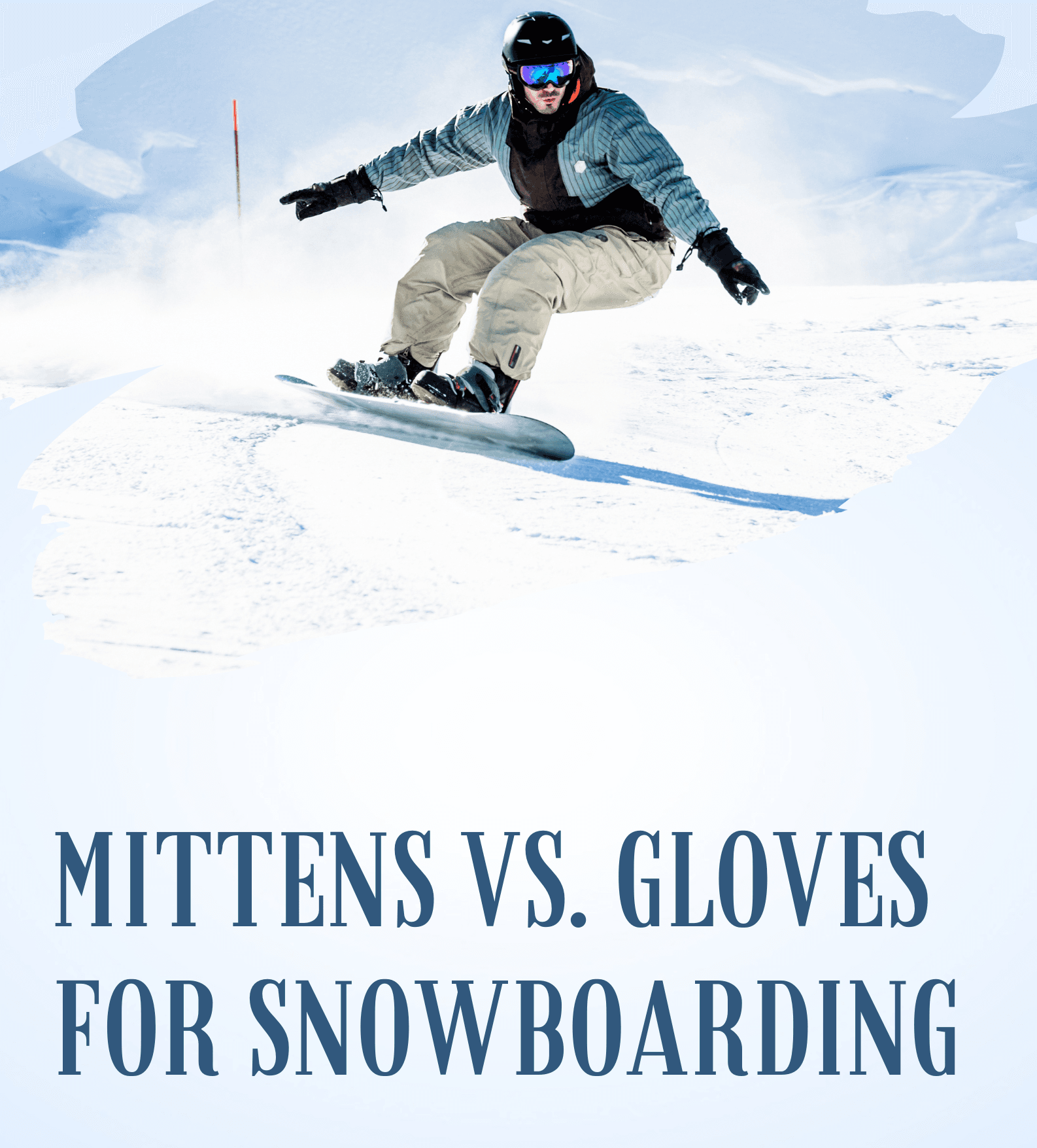
You’re on the chairlift, and the wind is howling. Your fingers are starting to feel like frozen sausages, and you’re fumbling to reply to a text or adjust your goggle strap. This is the moment every snowboarder faces, the moment you question your life choices—or, more specifically, your handwear choices. Welcome to the age-old debate that has echoed from bunny slopes to backcountry peaks: mittens vs. gloves.
It sounds simple, but this choice is one of the most crucial gear decisions you’ll make, directly impacting your comfort, performance, and overall enjoyment on the mountain. One path leads to unparalleled warmth and a cozy haven for your digits. The other offers the nimble dexterity to conquer zippers, bindings, and phones with ease. For years, I’ve ridden in every conceivable condition, testing dozens of pairs of both, and I’m here to tell you there’s no single right answer—but there is a right answer for you. This guide will dissect every aspect of the debate, from the science of warmth to the real-world functionality of each style. We’ll explore the best of both worlds, dive into the tech that matters, and review the top options on the market today to ensure your hands are the last thing you’re worried about on your next powder day. If you’re still figuring out your first snowboard setup, don’t forget that handwear is part of that equation.
Full Transparency: snowboardbible is a reader-first publication. We personally test and review gear to help you make the best choices. When you buy through links on our site, we may earn a small affiliate commission at no extra cost to you. This helps us keep the lights on and the reviews coming. Thanks for your support!
The Quick Answer (TL;DR)
- Choose Mittens if: Your hands get cold easily, you primarily ride in very cold climates, or you prioritize maximum warmth and comfort over everything else.
- Choose Gloves if: You need maximum dexterity for adjusting gear, using your phone, or handling equipment (like a camera), you tend to run hot, or you ride in milder spring conditions.
- Consider Hybrids (3-Finger) if: You want the best of both worlds—better warmth than gloves with more dexterity than traditional mittens.
The Deep Dive: Why Warmth and Dexterity Are at War
At its core, the mittens vs. gloves debate is a classic battle between two opposing forces: thermal efficiency and articulation. To make the best choice, you need to understand the fundamental design principles of each and how they affect your hands in the real world. This isn’t just about fashion; it’s about physics.
The Case for Mittens: A Toasty Paradise for Your Paws 🧤
Ask any seasoned rider or instructor what they wear on the coldest days, and you’ll likely hear a resounding chorus of “mittens.” The reason is simple and scientific. By keeping your fingers together in a single compartment (with the thumb separate), mittens create a shared pocket of air. Your fingers work as a team, sharing body heat and creating a self-contained furnace. This design is significantly more thermally efficient than isolating each finger, as gloves do. There’s a reason snowboarders wear mittens — the science backs it up.
Key Advantages of Mittens:
- Unmatched Warmth: The shared heat makes mittens the undisputed king of warmth. If you suffer from Raynaud’s syndrome or simply have poor circulation, mittens are a game-changer.
- Increased Comfort: There’s a certain cozy, relaxed feeling to mittens. Your fingers can move freely within the main compartment, which many riders find more comfortable over a long day.
- Often More Durable: With fewer seams and a simpler construction, high-quality mittens can sometimes be more durable than their glove counterparts, as there are fewer failure points.
The Downside: The Dexterity Dilemma
The obvious trade-off for all that glorious warmth is a major loss in dexterity. Simple tasks become Herculean efforts. Zipping up your jacket, adjusting your binding straps, grabbing your wallet for a mid-day snack, or—heaven forbid—trying to use a smartphone become frustrating charades. You’ll often find yourself taking your mittens off completely, exposing your bare hands to the cold and defeating the purpose of wearing them in the first place.
The Case for Gloves: Ultimate Control at Your Fingertips 🖐️
Gloves are the choice for the tactile rider, the one who values control and freedom. By separating each finger, gloves allow for a full range of motion, mimicking the natural movement of your hand. This level of dexterity is invaluable for countless small tasks that define a day on the mountain.
Key Advantages of Gloves:
- Superior Dexterity: The ability to grip, pinch, and manipulate objects is unparalleled. You can easily adjust your bindings, vents, and buckles without a second thought.
- Better Grip: With each finger able to wrap around an object individually, gloves provide a more secure grip on your board, a ski pole (if you’re splitboarding), or your phone.
- Enhanced Breathability: The higher surface area and separation of fingers can sometimes lead to better moisture management, as sweat has more avenues to escape.
The Downside: The Cold Shoulder
The very feature that gives gloves their dexterity—individual finger pockets—is also their greatest weakness in the cold. Each finger is left to fend for itself, isolated from its neighbors. This leads to significantly faster heat loss compared to mittens. On truly frigid days, even well-insulated gloves can leave your fingertips feeling the bite of the cold.
The Hybrid Solution: 3-Finger “Lobster” Mitts
What if you could have your cake and eat it too? Enter the hybrid, or “3-finger” glove, often affectionately called the “lobster claw.” This design combines the best of both worlds by grouping your pinky, ring, and middle fingers together like a mitten for warmth, while leaving your index finger and thumb free for dexterity. It’s a brilliant compromise that has become increasingly popular for good reason.
You get most of the thermal benefit of a mitten with much of the dexterity of a glove. You can point, zip, and buckle with relative ease, all while keeping the core of your hand significantly warmer. For many riders, a 3-finger mitt is the perfect daily driver for all but the most extreme temperature swings.
Snowboard Gloves vs. Ski Gloves: Are They Actually Different?
One of the most common questions we get from newer riders is whether they can simply use ski gloves for snowboarding—or vice versa. It’s a totally fair question, especially when ski and snowboard gloves look nearly identical hanging on a shop wall. The honest answer is: technically yes, but there are meaningful design differences that make snowboard-specific gloves worth seeking out.
The Key Design Differences That Actually Matter
Ski gloves and snowboard gloves are engineered around the different ways each sport stresses your hands. Skiers grip poles in a forward-facing stance, so their gloves prioritize a firm cylindrical grip and often have reinforced palm areas optimized for pole gripping. Snowboarders, on the other hand, spend far more time with hands open—carving, catching themselves during falls, doing grabs, and strapping into bindings.
- Palm Reinforcement Location: Snowboard-specific gloves tend to have extra abrasion resistance across the entire palm and the base of the fingers—exactly where you drag and push off the snow when falling or buckling your bindings.
- Cuff Design: Snowboard gloves heavily favor long gauntlet cuffs that cinch over the jacket sleeve to seal out snow during wipeouts and powder plunges. Ski gloves more commonly use short, under-the-cuff designs.
- Wrist Leash Placement: Snowboard gloves almost always include a wrist leash because there’s no pole strap to keep the glove on your wrist. Ski gloves sometimes omit this feature.
- Dexterity Focus: Because snowboarders regularly adjust their own bindings, many snowboard glove designs prioritize better fingertip dexterity than an equivalent ski glove at the same price point.
Can you cross over? Absolutely. A premium ski glove with a solid waterproof membrane will keep your hands warm and dry on a snowboard. But if you’re choosing between two otherwise-equivalent options, the snowboard-specific pair will almost always serve you better on the mountain.
How to Find the Perfect Fit: Snowboard Glove & Mitten Sizing Guide
No amount of expensive insulation or GORE-TEX technology will save you if your gloves or mittens don’t fit correctly. Fit is probably the single most overlooked factor when buying handwear, and it directly affects both warmth and dexterity. For general sizing help, see our snowboard sizing guide.
How to Measure Your Hand Size
- Hand Circumference: Wrap the tape around your dominant hand at the widest point—across your knuckles, excluding the thumb.
- Hand Length: Measure from the tip of your middle finger to the base of your palm at the wrist crease.
| Size | Hand Circumference (inches) | Hand Length (inches) | Typical Fit For |
|---|---|---|---|
| XS | 6.5 – 7″ | 6.5 – 7″ | Small women’s / youth |
| S | 7 – 7.5″ | 7 – 7.5″ | Average women’s / small men’s |
| M | 7.5 – 8″ | 7.5 – 8″ | Average men’s / large women’s |
| L | 8 – 8.5″ | 8 – 8.5″ | Large men’s |
| XL | 8.5 – 9″ | 8.5 – 9″ | XL men’s |
| XXL | 9″+ | 9″+ | XXL men’s |
💡 Pro Tip: Sizing Up for Thick Liner Gloves
If you plan to wear a dedicated liner glove inside your mitten or glove shell for extra warmth on extreme cold days, size up half a size or one full size on the outer shell.
Women’s-Specific Snowboard Mittens and Gloves: Do They Make a Difference?
Yes, significantly. Women’s hands have a fundamentally different shape than men’s—typically narrower palms, longer fingers relative to palm width, and a different thumb set point. Wearing a unisex or men’s glove in a smaller size usually results in a poor fit. Top brands like Hestra, Burton, and Dakine all produce excellent women’s lines. For more on women’s gear, see our best snowboard socks guide.
The Power of Liner Gloves: Your Secret Weapon Against the Cold
A liner glove is a thin, lightweight glove worn underneath your main shell. It’s one of the most underutilized pieces of kit in a snowboarder’s arsenal. Think of it like the base layer system you use for your torso, but for your hands.
What Liner Gloves Are Made Of
- Merino Wool: The premium choice. Naturally temperature-regulating, odor-resistant, and retains warmth even when damp.
- Polypropylene / Polyester Fleece: The budget-friendly workhorse. Lightweight, quick-drying, and incredibly warm for their weight.
- Silk: Ultra-thin and surprisingly warm, a niche but excellent option when you need minimal bulk.
- Conductive Materials: Most modern liners weave conductive silver or copper fibers into the fingertips for touchscreen compatibility.
When and How to Use Liner Gloves
- As an Emergency Backup: Stash a thin liner in your snowboard bag or jacket pocket.
- As a 3-Season Setup: Pair a mid-weight liner with a light shell on warm spring days.
- For Extreme Cold: Layer a 200g fleece or thick merino liner inside your primary mitten on days below 0°F.
- For Driving and Post-Ride: Wear your liner as a standalone glove for errands.
Heated Snowboard Gloves and Mittens: Are They Worth It?
Battery-powered heated gloves have made enormous leaps in quality over the past five years. If you have Raynaud’s phenomenon, poor circulation, or ride in extreme cold, a quality pair of heated mittens or gloves can be truly life-changing.
⚠️ Important: Heated Gloves Are a Supplement, Not a Replacement
Heated gloves work best when you treat them as an enhancement to a solid base of quality insulation and waterproofing—not as a substitute for it. Invest in a well-insulated heated glove from a reputable brand, and you’ll have a setup that handles the widest possible range of conditions.
Best Kids’ Snowboard Mittens: Keeping Little Hands Warm
For young children—toddlers through roughly age 8—mittens are almost always the right choice. The warmth advantage is even more pronounced in small hands, and young children don’t yet need the dexterity that gloves provide. Look for mittens with waterproof inserts, long gauntlet cuffs, and buddy clips. For more on getting kids started, see our guide to why snowboarding is the best winter sport.
Over-the-Cuff vs. Under-the-Cuff: Which Gauntlet Style is Right for You?
🏔️ Powder / Backcountry / Very Cold Days
You need every avenue for snow and cold air sealed shut.
→ Over-the-Cuff Gauntlet
🛹 Park / Freestyle / Mild Conditions
You want a clean, unrestricted feel and aesthetic.
→ Under-the-Cuff
🌤️ Resort All-Mountain / Variable Conditions
You want versatility and aren’t sure what you’ll encounter.
→ Over-the-Cuff (adjustable fit)
Wrist Guard Gloves for Snowboarding: Do You Actually Need Them?
The wrist is the most commonly injured body part in snowboarding. Wrist injuries account for 20–30% of all snowboarding injuries. Wrist guard gloves incorporate a rigid splint into the palm side of the glove to prevent hyperextension. For more on why safety matters, see our snowboard fall safety guide. Beginners, riders returning from injury, and freestyle riders should strongly consider them.
Snowboard Glove & Mitten Price Guide
💚 Budget: Under $50
Basic waterproofing (5K or lower), minimal insulation, synthetic shell. Fine for occasional riders in mild conditions. Expect limited durability.
💙 Mid-Range: $50 – $150
Reliable 10K–15K waterproof inserts, meaningful synthetic insulation (PrimaLoft or Thinsulate), durable shells, removable liners, wrist leashes, and touchscreen compatibility. Brands like Dakine, Burton, and Roxy offer excellent mid-range options. For cost comparisons, see our snowboarding vs skiing cost breakdown.
💜 Premium: $150+
GORE-TEX or equivalent membranes, leather shells, top-tier insulation. Brands like Hestra, Oyuki, and Black Diamond. A $200 leather Hestra mitten that lasts 10 years costs less per season than a $75 synthetic mitten replaced every two. For more on why gear matters, see our snowboard waxing guide.
Spring Snowboarding Handwear: What Changes When It Warms Up?
Late-season spring riding is completely different from a mid-January blizzard. Your handwear choice needs to adapt. The most versatile approach for spring riding is a layering system: a light shell glove paired with a mid-weight fleece or merino liner for morning runs, ditching the liner once the sun takes over. Strong DWR is essential because spring snow is wet snow. For more on gear maintenance, see our snowboard waxing guide.
The Complete Care and Maintenance Guide
Even the best GORE-TEX mittens will fail you if you don’t care for them properly. The good news is that maintaining your handwear takes maybe 30 minutes of active effort per season. For more on why gear maintenance matters, see our snowboard waxing guide.
How to Wash Snowboard Gloves and Mittens
Most synthetic shell gloves and mittens can be machine washed. Leather gloves should always be hand washed. Use a technical fabric cleaner like Nikwax Tech Wash rather than regular laundry detergent. Standard detergents strip the DWR coating from the outer shell.
How to Re-Waterproof Your Gloves and Mittens (DWR Treatment)
DO: Reproofing Right
- Wash gloves before reproofing for best penetration.
- Use a spray-on DWR like Nikwax TX.Direct or Grangers Performance Repel.
- Tumble dry on low heat to activate the DWR.
- Reapply at the start of each season and mid-season.
DON’T: Common Mistakes
- Don’t use regular laundry detergent—it destroys DWR and clogs membranes.
- Don’t dry on high heat or place directly on a radiator.
- Don’t store gloves damp—mold and mildew will grow inside.
- Don’t machine wash leather—you’ll ruin the shell.
How Long Should Snowboard Gloves and Mittens Last?
- Budget synthetic (under $50): 1–2 seasons of regular riding.
- Mid-range synthetic ($50–$150): 3–5 seasons with proper washing and reproofing.
- Premium synthetic ($150+) or leather ($150–$300+): 5–10+ seasons. For more on protecting your investment, see our best snowboard bags guide.
Troubleshooting Common Snowboard Glove Problems
Even quality handwear can cause frustration if you’re not using it correctly. Here are the most common complaints along with practical solutions.
Problem: My Fingers Are Still Cold Even in Good Mittens
- Check the fit first—too tight compresses insulation and restricts blood flow.
- Add a liner glove for extra warmth.
- Re-proof your shell—a wetted-out shell dramatically reduces insulation effectiveness.
- Consider circulation issues—Raynaud’s may require heated gloves or chemical hand warmers.
Problem: My Hands Get Too Hot and Sweaty
The solution is almost always a more breathable design or lighter insulation. Consider a glove with a GORE-TEX membrane, or move to a lighter-weight option. A removable liner system helps—you can dial warmth up or down as the day progresses.
The Ultimate Buyer’s Guide: Deconstructing Snowboard Handwear
Investing in good gear is a key part of the experience. While it’s important to understand how snowboarding compares to skiing in terms of cost, quality handwear is a place you don’t want to skimp.
1. Waterproofing & Breathability: The GORE-TEX Factor
GORE-TEX is the industry gold standard. It’s guaranteed waterproof and highly breathable. Proprietary membranes from Dakine (DK Dry™) and Burton (DRYRIDE™) are also excellent.
2. Insulation: Down vs. Synthetic
Synthetic (PrimaLoft®, Thinsulate™) retains insulating properties when damp—practical for snowboarding. Down offers the best warmth-to-weight ratio but clumps when wet.
3. Shell Materials: Leather vs. Synthetic
Leather (especially goatskin) offers incredible durability and molds to your hand. Synthetic shells are lightweight, require no maintenance, and are treated with DWR.
4. Must-Have Features
- Removable Liners: Versatility for different conditions and faster drying.
- Wrist Leashes: Lifesavers for the chairlift. Don’t buy handwear without them.
- Nose Wipe Thumb Panel: A small soft patch on the thumb. You’ll be thankful it’s there.
- Gauntlet Style: “Over the cuff” for maximum snow protection; “under the cuff” for a cleaner look.
The Best Mittens & Gloves for Snowboarding
Finding the right gear is a big part of why snowboarding is fun, and these selections will not let you down.
1. Burton GORE-TEX + Gore Warm Mittens

Best Overall Mittens for All-Around Performance and Value
The Burton GORE-TEX Mitten is a legendary piece of gear. The combination of a GORE-TEX membrane and Burton’s Thermacore™ insulation is a one-two punch against the cold and wet. The removable, four-way stretch Screen Grab® liner is fully touchscreen compatible. It’s the complete package. For first-timer guidance, see our guide to choosing your first snowboard.
Pros
- GORE-TEX + Gore Warm provides elite waterproofing and warmth.
- Includes a high-quality, removable touchscreen liner.
- Incredible value for the level of technology.
- Durable and comfortable for all-day riding.
Cons
- Classic mitten dexterity limitations.
- Synthetic leather palm isn’t as durable as real leather.
2. Hestra Fall Line 3-Finger Glove

Best Hybrid “Lobster” Mitt for Premium Performance
Hestra is a Swedish brand with impeccable heritage. The Fall Line 3-Finger is made from supple, impregnated cowhide leather. The 3-finger design truly offers the best of both worlds—I can easily adjust my bindings and open my pack, tasks that are a struggle in a full mitten. For more on why the sport is worth this investment, see our why snowboarding is the best winter sport guide.
Pros
- Incredibly durable and supple all-leather construction.
- 3-finger design provides a perfect balance of warmth and dexterity.
- Premium materials and craftsmanship.
- Molds to your hand for a custom fit over time.
Cons
- Premium price point.
- Leather requires occasional maintenance/conditioning.
3. Dakine Titan GORE-TEX Gloves

Best Overall Gloves for Dexterity and Versatility
The Dakine Titan has been a bestseller for over a decade. It uses a GORE-TEX insert with “Gore Warm” tech, comes with a removable touchscreen-compatible Storm Liner glove, and features a massive external waterproof zipper pocket. For more on why snowboarding beats skiing, see our snowboarding vs skiing comparison.
Pros
- Excellent dexterity for a well-insulated glove.
- GORE-TEX protection ensures dry hands.
- Packed with useful features like a pocket and removable liner.
- Great value and proven long-term durability.
Cons
- Not as warm as a comparable mitten on the absolute coldest days.
- Can feel slightly bulky with the liner in.
4. Oyuki The Pep GORE-TEX Trigger Mitt
Best Trigger Mitt for Backcountry and Freeride Enthusiasts
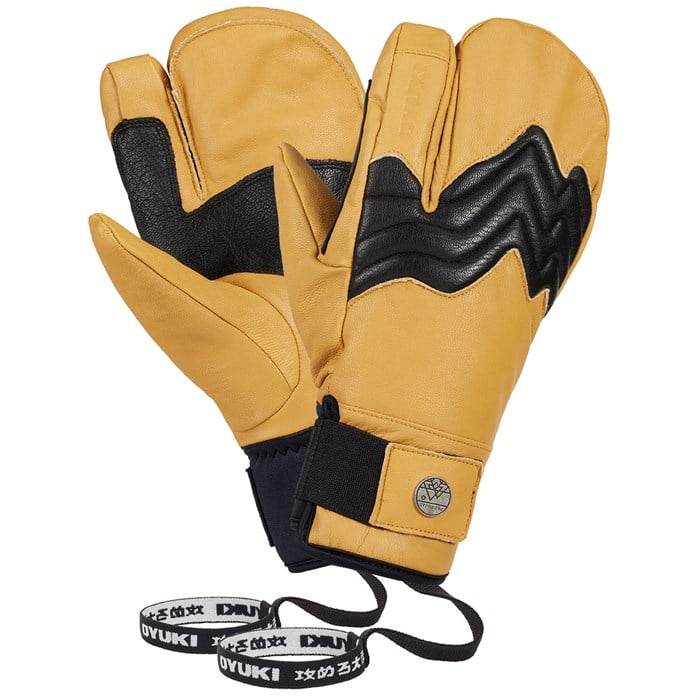
Oyuki is a brand born out of the deep powder of Niseko, Japan. The Pep is a “trigger mitt” created with pro rider Pep Fujas. Constructed with premium goatskin leather and backed by a GORE-TEX membrane, it’s insulated with 133g of PrimaLoft® Gold. The trigger finger design provides fantastic dexterity. For more on why the gear matters, see our why snowboarding is the best winter sport guide.
Pros
- Premium goatskin leather and GORE-TEX construction.
- Top-of-the-line PrimaLoft Gold insulation.
- Excellent balance of warmth and trigger-finger dexterity.
- Built for extreme conditions and durability.
Cons
- High-end price tag.
- Can be too warm for mild conditions.
5. DC Franchise Mittens
Best for Style-Conscious Park Riders on a Budget
DC brings its signature skate-inspired style to the snow. The Franchise uses DC’s Weather Defense 10K waterproof insert and 150g of Thinsulate™ insulation. It includes wrist leashes and touchscreen compatibility. For more on why the sport is worth investing in, see our why snowboarding is so fun guide.
Pros
- Excellent warmth with 150g insulation.
- Great price point and value.
- Wide array of stylish colorways.
- Includes key features like leashes and touchscreen tech.
Cons
- 10K waterproofing isn’t ideal for very wet, slushy conditions.
- Not as breathable as higher-end options.
Head-to-Head: Comparison Chart
| Model | Type | Waterproofing | Insulation | Best For | Our Rating |
|---|---|---|---|---|---|
| Burton GORE-TEX Mitt | Mitten | GORE-TEX + Gore Warm | Thermacore™ Synthetic | All-Around Resort Dominance | 9.5/10 |
| Hestra Fall Line 3-Finger | Hybrid (3-Finger) | Impregnated Leather | G-Loft Synthetic | Premium Durability & All-Mountain | 9.8/10 |
| Dakine Titan GORE-TEX Glove | Glove | GORE-TEX + Gore Warm | High Loft Synthetic | Maximum Dexterity & Features | 9.3/10 |
| Oyuki The Pep Trigger Mitt | Hybrid (Trigger) | GORE-TEX + Leather | PrimaLoft® Gold | Freeride, Backcountry & Harsh Weather | 9.7/10 |
| DC Franchise Mitt | Mitten | 10K Weather Defense | 3M™ Thinsulate™ (150g) | Park Riding & Style on a Budget | 8.8/10 |
Frequently Asked Questions (FAQ)
Are mittens or gloves better for beginners?
For most beginners, mittens are the better choice. Beginners tend to spend more time with their hands in the snow while learning to stand up, strapping in, and during falls. The extra warmth of mittens will keep them more comfortable and allow them to stay out on the slopes longer. For more on beginner gear, see our guide to choosing your first snowboard.
How do I dry my gloves or mittens overnight?
Never place them directly on a heater or radiator. The best method is to pull out the liners (if removable) and place both in a warm, dry room with good air circulation. A boot dryer with glove attachments works wonders. For storage solutions, see our best snowboard bags guide.
Is touchscreen compatibility actually useful?
Yes and no. While it’s great for quickly checking a message or changing a song, the bulky nature of insulated handwear means you won’t be typing out long emails. It’s useful for simple taps and swipes. A removable, touchscreen-compatible liner offers the most practical solution.
How do I take care of leather snowboard gloves?
Leather needs conditioning to stay supple and water-resistant. Apply a leather conditioner once or twice a season. For more on why gear maintenance matters, see our snowboard waxing guide.
Can I use ski gloves for snowboarding?
Technically yes, but snowboard-specific gloves are better suited to the demands of riding. They feature palm reinforcement where snowboarders need it, longer gauntlet cuffs to seal out powder, and wrist leashes. For casual use, quality ski gloves work fine. For regular snowboarding, a snowboard-specific design is smarter. For more on why snowboarding is the better choice, see our snowboarding vs skiing comparison.
What temperature rating should I look for?
Manufacturers don’t follow a standardized temperature rating system. Instead, look at insulation weight: 80–100g is suitable for mild to moderate cold; 120–180g is excellent for colder conditions; above 180g is for extreme cold. Combine this with a waterproof-breathable membrane for the complete picture.
How do I stop my gloves from smelling?
Wash regularly using a technical fabric cleaner. For persistent odors, add Mirazyme (an enzyme-based odor eliminator) to the wash cycle. Between washes, letting gloves air out fully after each day prevents the bacteria buildup that causes odor.
Should kids wear mittens or gloves for snowboarding?
For children roughly age 8 and under, mittens are almost always the right choice. Young children lose body heat faster, spend more time with hands in the snow, and don’t need dexterity for adjusting their own bindings. Look for waterproof inserts (10K minimum), long gauntlet cuffs, and buddy clips.
Do heated snowboard gloves really work?
Modern heated gloves are genuinely effective, especially for riders with chronically cold hands or Raynaud’s phenomenon. The key is choosing a quality pair that also functions as a well-insulated, waterproof glove when the heating isn’t active. Look for at least 2.5 hours of battery life on the highest setting.
How often should I re-waterproof my snowboard gloves?
Re-apply a DWR treatment at the start of each season and once more mid-season if you ride frequently (20+ days). When water no longer beads off the shell and instead soaks into the fabric, it’s time to re-proof. Always wash gloves with a technical cleaner before reproofing.
The Final Verdict: Making the Right Choice for Your Ride
The great debate of mittens vs. gloves doesn’t have a single victor, because the winner is entirely dependent on you—your circulation, your riding style, and your priorities.
- If your internal monologue on the lift is consistently, “My fingers are blocks of ice,” stop hesitating and buy a quality pair of mittens like the Burton GORE-TEX Mittens. The warmth is a revelation.
- If you’re constantly taking off your handwear to adjust gear, send a photo, or tweak your bindings, the freedom of a dexterous glove like the Dakine Titan GORE-TEX will dramatically improve your day.
- If you’re torn between these two worlds, the elegant compromise of a 3-finger or trigger mitt like the Hestra Fall Line or Oyuki Pep offers a near-perfect solution.
Your hands are your connection to your board and the mountain environment. Investing in the right protection is one of the smartest moves you can make. It’s just as important as choosing the right board or finding the best snowboard bag for your travels. So, assess your needs, pick your champion, and get ready to wave goodbye to cold, fumbling fingers for good. After all, a warm and capable rider is a happy rider, and that’s ultimately what it’s all about. For more on why the sport is worth this level of investment, see our why snowboarding is so fun guide.


