
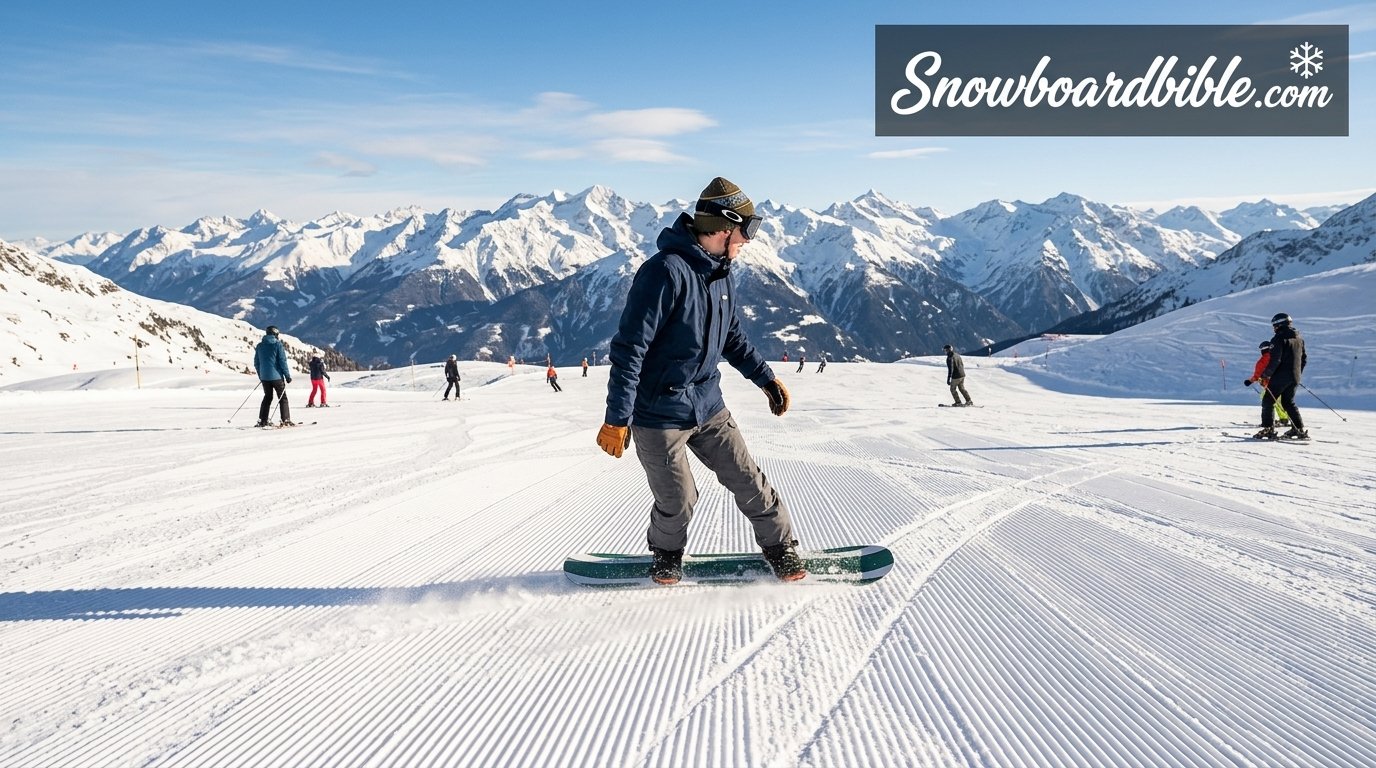
Is Snowboarding Hard to Learn?
An honest, no-fluff breakdown of the real learning curve — what makes the first few days tough, how long it actually takes to feel comfortable, and the gear and habits that make the process a lot less painful.
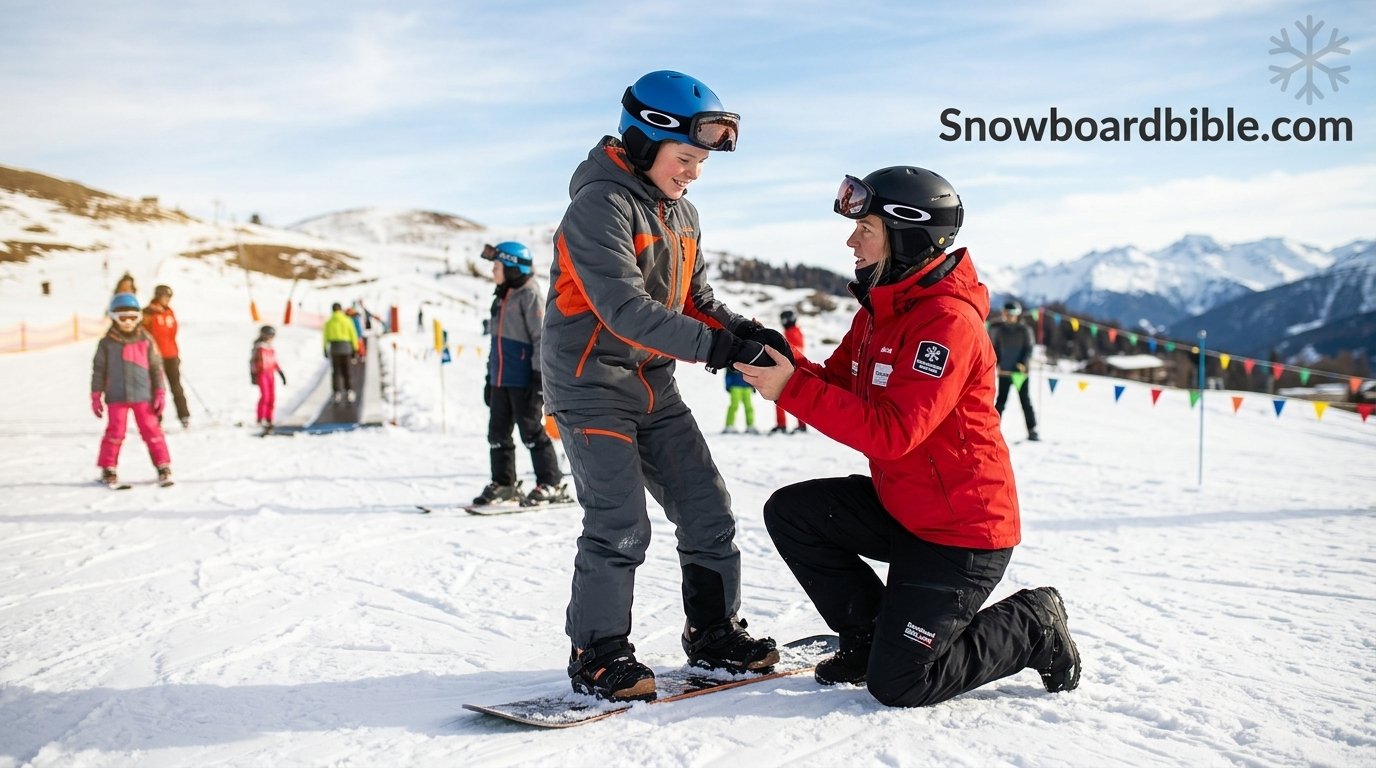
Most riders spend their first day falling more than riding — that’s completely normal, and it’s part of the process.
If you’ve watched snowboarders link smooth, effortless turns down a mountain and wondered whether you could ever pull that off, you’re not alone. Snowboarding has a reputation — deserved, to some extent — for being tough on beginners. The truth is more nuanced: snowboarding is hard for the first two or three days and then gets dramatically easier, faster than most people expect. In this guide, we’ll walk through exactly why it feels hard early on, how it compares to learning to ski, what a realistic timeline looks like, and the gear, mindset, and lesson choices that make the biggest difference. Whether you’re prepping for your very first trip or you’ve had a rough day or two on the mountain already, this article will help you understand what’s actually going on under your board and how to move through it faster.
It also helps to reframe what “hard” actually means in this context. Snowboarding isn’t hard in the way that a complex intellectual skill is hard — there’s no long list of rules to memorize, and you don’t need years of practice before you see meaningful results. It’s hard in the way that learning to ride a bike for the first time is hard: a short, intense window of discomfort and repeated failure that gives way, almost suddenly, to something that feels natural. Once your nervous system figures out how to balance sideways on a moving platform, that skill tends to stick for life, which is part of why so many riders describe the breakthrough moment as feeling almost like a switch flipping rather than a gradual improvement.
Why Snowboarding Feels Hard at First
The single biggest reason snowboarding feels difficult in the beginning comes down to one simple fact: both of your feet are locked to the same board. Unlike walking, running, or even skiing, you can’t move your feet independently to catch yourself. Every correction — every shift in balance — has to happen through your ankles, knees, hips, and core, all while your feet stay fixed in place. Your brain has spent your entire life learning to balance with two independently moving legs, and snowboarding asks it to throw that entire strategy out the window in a single afternoon.
On top of that, a snowboard forces you to ride sideways. You’re not facing the direction you’re traveling, which messes with your sense of depth, speed, and spatial awareness. Add a slippery, sloped surface, a base layer of wax designed to reduce friction, and gravity actively working against your center of mass, and it’s no surprise that most first-timers spend more time on the snow than standing on top of it.
There’s also a psychological piece that doesn’t get talked about enough. Falling — a lot, and often within seconds of standing up — can feel discouraging, even embarrassing, especially on a crowded bunny slope. But nearly every experienced rider went through the exact same thing. The people gliding past you with ease were once falling just as much as you are now. Understanding that the early struggle is universal, not a sign you’re “bad at this,” makes a real difference in how quickly people push through it.
The good news is that the hardest part — learning to balance on the board and control your edges — is also the part that improves fastest. Most beginners see a noticeable jump in confidence between their first and second day, once basic balance starts to feel automatic rather than something they have to consciously think about.
If you want a deeper look at why the sport has this reputation in the first place, our breakdown of why snowboarding carries a reputation for being risky covers the physics and common injury patterns in more detail.
The Role of Fear in the Early Days
Fear plays a bigger role in snowboarding difficulty than most people expect, and it’s rarely talked about directly. When a beginner is scared of falling, their body instinctively tenses up, which is exactly the opposite of what good technique requires. Tension in the ankles and knees makes it harder to absorb small bumps in the terrain, harder to shift weight smoothly, and easier to lose balance entirely. Instructors often spend as much time coaching students to relax and trust the board as they do teaching actual technique, because the two are so closely linked. Riders who can manage their fear response — even imperfectly — tend to progress noticeably faster than those who are technically capable but physically braced against every anticipated fall.
Snow Conditions Change the Difficulty Curve
It’s also worth noting that not all snow is created equal when you’re learning. Soft, groomed corduroy on a mild day is far more forgiving than icy, wind-scoured slopes or heavy, wet spring snow. Beginners who happen to learn during a stretch of firm, icy conditions often walk away thinking the sport itself is harder than it actually is, when in reality they were dealing with a tougher surface than most first-timers ever need to face. If possible, choosing a beginner package during a period of fresh or recently groomed snow can make an outsized difference in how enjoyable — and how fast — those first sessions feel.
Protect Your Head Before Day One
A properly fitted helmet is the single cheapest way to make early falls far less scary — and it lets you commit to turns without hesitation.
Shop Snowboard HelmetsSnowboarding vs. Skiing: Comparing the Learning Curves
This is one of the most common questions beginners ask before ever stepping onto snow, and the honest answer is: it depends on what you’re measuring. Skiing tends to feel more intuitive on day one — you can wedge your skis into a “pizza” shape and control your speed almost immediately. Snowboarding’s first day is rougher because you have to master basic balance before you can control speed or direction at all. But snowboarding’s curve flattens out much faster after that rough start, while skiing’s curve is more gradual and consistent throughout.
| Factor | Snowboarding | Skiing |
|---|---|---|
| Day 1 difficulty | High — balance-focused, frequent falls | Moderate — early control feels more natural |
| Time to link basic turns | Typically 2–4 days | Typically 1–2 days |
| Time to feel “comfortable” on blue runs | Around 5–10 days on snow | Around 5–8 days on snow |
| Physical strain pattern | Core, ankles, quads, wrists (from falls) | Quads, glutes, lower back |
| Learning progression style | Slow start, faster plateau breakthroughs | Steadier, more linear improvement |
| Long-term skill ceiling | High — technical terrain rewards experience | High — similarly technical at advanced levels |
For a much more detailed side-by-side comparison, including how age and prior athletic background affect the two curves, check out our full ski vs. snowboard learning curve breakdown. We also cover the debate from a parent’s perspective in skiing vs. snowboarding for kids, which is worth a read if you’re deciding what to put your child on first.
Why the Comparison Isn’t Really Fair
It’s worth pointing out that comparing the two sports head-to-head is a little misleading, because they demand different underlying skills. Skiing rewards people who are comfortable with independent leg movement and quick directional changes, which is closer to how we naturally walk and run. Snowboarding rewards people who are comfortable with lateral, whole-body balance, which is closer to skills like surfing, skateboarding, or wakeboarding. If you’ve spent years skateboarding or surfing, you may find snowboarding’s early days far less brutal than the “average” learning curve suggests, simply because your body already understands sideways balance. The reverse is often true for people with a background in running-based or independent-leg sports, who sometimes find skiing’s early stages more intuitive.
Which One Should You Actually Choose First?
If your goal is simply to get on the mountain and have fun as quickly as possible, skiing’s gentler first day has a real edge. If you’re willing to push through a rougher first day or two in exchange for a sport that many riders find more rewarding once the fundamentals click — and that opens the door to terrain park riding, powder days, and a distinct riding culture — snowboarding is worth the early frustration. Neither choice is wrong, and plenty of people who start with skiing eventually cross over to snowboarding once they’re comfortable on the mountain in general.
Physical Demands and Core Strength
Snowboarding is far more of a core-and-balance sport than a raw strength sport, which surprises a lot of newcomers who expect it to be primarily about leg power. Your quads and glutes absolutely get a workout, especially from repeatedly standing up after falls, but the muscles doing the real work throughout a run are your deep core stabilizers, obliques, and the small muscles around your ankles and hips that make constant micro-adjustments to keep you balanced.
Why General Fitness Still Matters
You don’t need to be an athlete to learn snowboarding, but a reasonable baseline of fitness makes the early learning process noticeably less exhausting. Beginners who arrive out of shape tend to fatigue quickly, and fatigue is one of the biggest contributors to sloppy technique and falls later in the day. Simple pre-trip preparation — squats, planks, balance-board work, and some light cardio — can meaningfully reduce how sore and drained you feel after your first few sessions.
The Wrist and Tailbone Factor
Because falls are so frequent for beginners, wrists and tailbones tend to absorb a lot of impact. This is one of the most overlooked physical realities of learning to snowboard, and it’s a big part of why protective gear (covered in the gear section below) matters more for beginners than for experienced riders.
If you want a structured way to prepare your body before your trip, our snowboarding fitness guide and dedicated core strength for snowboarding guide both walk through specific exercises that translate directly to on-snow balance and endurance.
Flexibility and Joint Mobility
Mobility in the hips and ankles is another underrated factor. A deep, stable athletic stance depends on being able to comfortably bend your knees and hips without your heels lifting or your lower back rounding excessively. Riders with tight hip flexors or limited ankle dorsiflexion often compensate by riding too upright, which reduces stability and makes every bump or speed change harder to absorb. A few minutes of dynamic stretching before each session — hip circles, ankle rolls, and gentle lunges — can noticeably improve how stable your stance feels within the first hour on snow.
Altitude and Cold Add to the Physical Load
Two environmental factors compound the physical demands beyond what beginners typically expect: altitude and cold. Many resorts sit at elevations high enough to cause mild shortness of breath or quicker fatigue for visitors who don’t live at altitude, and cold temperatures force your muscles to work harder to stay warm and responsive. Staying hydrated, eating enough calories throughout the day, and dressing in proper layers all directly affect how much energy you have left for balance and technique by the afternoon.
What Your First Lesson Actually Looks Like
Most beginner snowboard lessons follow a fairly predictable structure, and knowing what to expect ahead of time takes a surprising amount of anxiety out of the experience. Here’s the typical progression an instructor will walk you through on day one.
Step One: Getting Comfortable With the Board
Before you even attempt to stand, most instructors have beginners strap in with just their front foot and practice skating around flat ground, getting a feel for how the board glides and how their weight shifts side to side.
Step Two: Standing and Basic Balance
Once you strap both feet in, the first real challenge is simply standing up from a seated position on the snow — which is its own small skill — and then holding a balanced, athletic stance with knees bent and weight centered over the board.
Step Three: The Falling Leaf
This is the foundational beginner drill almost every instructor uses: sliding sideways down a gentle slope on your heel edge (and later your toe edge) without turning, learning to control speed purely through edge pressure.
Step Four: Linking Your First Turns
Once heel-edge and toe-edge control feel stable, instructors introduce basic turns, teaching you to shift your weight and rotate gently to connect heel-side and toe-side movements into a continuous, controlled descent.
By the end of a solid first lesson, most beginners can slide, stop, and make at least a few connected turns on a gentle green run. For a full walkthrough of these fundamentals with more detail on body positioning, see our guide to snowboard turns for beginners and our broader collection of snowboard beginner tips.
Group Lessons vs. Private Lessons
Most beginners start in a group lesson, which is more affordable and offers the social benefit of learning alongside other first-timers at a similar level. The tradeoff is less individual feedback, since an instructor is splitting attention across several students. A private lesson costs more but allows the instructor to tailor pacing and feedback specifically to your balance, fear level, and prior athletic background, which can be worth the extra cost if you’re especially nervous or want to progress as quickly as possible in a single day.
What a Typical Lesson Timeline Looks Like
A standard two-hour beginner lesson usually breaks down roughly as follows: the first 20–30 minutes cover gear setup, safety basics, and flat-ground skating; the next 30–45 minutes focus on standing balance and the falling leaf drill; the remaining time is spent introducing basic turns and, time permitting, a few runs on a gentle lift-served green run with the instructor nearby for feedback.
Comfortable Boots Make a Huge Difference
Ill-fitting boots cause foot pain and heel lift that make balance even harder for beginners. A properly fitted pair changes everything.
Shop Snowboard BootsCommon Beginner Mistakes That Make It Feel Harder
A lot of what makes snowboarding feel unnecessarily difficult isn’t the sport itself — it’s a handful of very common, very fixable habits. Here are the ones instructors see most often.
Leaning Back
The single most common beginner mistake is leaning back on your heel edge out of fear, which actually makes catching an edge more likely rather than less. Keeping weight centered, even when it feels counterintuitive, dramatically improves control.
Looking Down at the Board
Staring at your feet instead of looking ahead in the direction you want to travel throws off balance and slows reaction time. Your body naturally follows your eyes, so looking downhill helps guide smoother turns.
Death-Gripping With Tension
Beginners often tense their entire body out of fear of falling, which actually makes falls harder and balance more difficult. Relaxed knees and ankles absorb terrain far better than a rigid, locked posture.
Skipping Proper Gear Fitting
Rental boots that are too loose, bindings set at the wrong angle, or a board that’s the wrong size for your height and weight all add friction to the learning process that has nothing to do with skill. Our snowboard sizing guide by height and weight is a good reference before you even hit the rental counter.
Trying to Progress Too Fast
Rushing to steeper terrain before basic turns and stopping are solid tends to backfire, leading to more falls, more fear, and slower overall progress than a patient, step-by-step approach.
Fighting the Fall Line Instead of Working With It
Many beginners instinctively try to point the board straight across the slope to avoid picking up speed, which actually makes balance harder because the board is fighting gravity the entire time. Learning to point slightly down the fall line, even briefly, and controlling speed through edge angle rather than pure direction is a more stable, more sustainable way to descend, even though it feels scarier at first.
Ignoring Binding Angles and Stance Width
Rental shops typically set bindings to generic default angles and stance widths that may not suit your height or natural stance. A stance that’s too wide or narrow, or binding angles that don’t match your natural comfort, can make balance noticeably harder without the rider ever realizing gear setup — not skill — is the actual problem.
Gear That Actually Shortens the Learning Curve
While no piece of equipment replaces practice, the right gear removes a lot of unnecessary friction and fear from the early learning process, which lets you focus purely on technique.
Gear Worth Prioritizing
- A well-fitted, properly rated helmet
- Wrist guards to reduce impact injuries
- Padded impact shorts for tailbone protection
- Properly sized, warm gloves or mittens
- Boots that fit snugly with no heel lift
Common Gear Mistakes
- Renting a board that’s too long or too stiff
- Skipping goggles and relying on sunglasses
- Wearing cotton base layers that stay wet
- Loose bindings that shift during falls
- Skipping protective layers to “look cool”
Protective gear in particular pays for itself many times over in the first few days. Our detailed guides to the best wrist guards for snowboarding, best impact shorts for snowboarding, and best snowboard knee pads all cover options specifically suited to beginners who expect to fall a lot in the first few sessions — which, again, is completely normal.
Eyewear and outerwear matter more than people expect too. Flat light and glare on the mountain can make it hard to read terrain, which is where a solid pair from our best snowboarding goggles guide comes in, alongside breathable, mobile outerwear covered in our best baggy snowboard pants roundup.
Layering: The Overlooked Comfort Factor
Beginners spend far more time sitting or lying in the snow than experienced riders, which means moisture management matters more, not less, for new riders. A moisture-wicking base layer, an insulating mid layer, and a waterproof, breathable outer shell keep you from getting cold and wet after repeated falls — and a cold, uncomfortable rider tenses up faster, which circles right back to the fear-and-tension problem covered earlier. Our full snowboard layering guide breaks down exactly what to wear underneath your outerwear for different temperature ranges, and our mittens vs. gloves comparison is worth a look before you decide on hand protection.
Renting vs. Buying for Your First Few Trips
For your very first one or two trips, renting is almost always the smarter financial move, since you don’t yet know your preferred stance, riding style, or terrain preference. Resort rental packages typically include a board, boots, and bindings already matched to beginner-friendly specs. Once you’ve confirmed you enjoy the sport and want to continue, transitioning to owned gear — starting with boots, since fit matters most there — tends to be the natural next step, and our snowboard bag packing checklist is a handy reference once you start traveling with your own equipment.
Wrist Guards: Cheap Insurance for Beginners
Most beginner wrist injuries happen from bracing falls with an open palm. A lightweight guard set drastically lowers that risk.
Shop Wrist GuardsChoosing Your First Snowboard Setup
Beginners often get overwhelmed by the sheer number of snowboard shapes, camber profiles, and flex ratings available, but a first setup really only needs to check a few boxes: appropriate length for your height and weight, a softer flex for forgiveness, and a beginner-friendly camber profile like rocker or hybrid camber, which is more forgiving of imperfect weight distribution than an aggressive full-camber board.
If you’re renting for your first few trips, this decision matters less — resort rental fleets are generally stocked with beginner-appropriate boards. But once you’re ready to buy, our guide on how to choose your first snowboard walks through the exact specs to look for, and our camber vs. rocker comparison explains why profile matters more than most beginners realize.
Bindings deserve just as much attention as the board itself. Poorly adjusted bindings — especially highback angle and strap tension — can make a technically good board feel unstable. Our snowboard bindings guide and snowboard boots guide are both worth reading before your first purchase, since boots, bindings, and board all need to work together as a system.
Board Length and Width Basics
As a rough starting point, a beginner board typically reaches somewhere between your chin and nose when stood on its tail, though weight and riding style shift that range in either direction. Width matters just as much as length — a board that’s too narrow for your boot size causes toe and heel drag on turns, which is a subtle but very real source of unexplained instability for beginners with larger feet.
Why Softer Flex Helps Beginners
A softer-flexing board forgives small technique errors far more readily than a stiff, aggressive board built for high-speed carving or advanced freestyle riding. Softer boards also require less physical strength to bend into a turn, which reduces fatigue over a full day of lessons and practice runs.
Regular or Goofy? Finding Your Natural Stance
Before your first day, you’ll need to figure out whether you ride “regular” (left foot forward) or “goofy” (right foot forward). Most people can get a rough idea by noticing which foot they instinctively put forward when sliding on a hardwood floor in socks, or which foot they’d use to step up onto a curb quickly.
Neither stance is inherently easier to learn — it’s entirely about what feels natural to your body, and fighting your natural stance usually slows progress rather than helping it. If you’re unsure after trying the sock-slide test, most instructors can quickly confirm your natural stance within the first few minutes of a lesson by observing your balance reactions.
Our full regular vs. goofy stance guide covers several more reliable methods for figuring this out, plus how stance interacts with binding angle setup once you’re ready to fine-tune your ride.
Why Getting This Right Matters Early
Learning on the “wrong” stance for even a single session can create confusion that lingers, since your brain is trying to build muscle memory for balance patterns that don’t match your natural instincts. If a first run or two feels unusually disorienting compared to what instructors describe as typical, it’s worth stopping and double-checking stance before continuing, rather than pushing through and assuming the difficulty is simply part of the normal learning curve.
Stance Width and Binding Angles
Beyond regular versus goofy, your binding angles — how much your feet point toward the nose or tail of the board — also affect comfort and control. Beginners typically start with a slightly positive front foot angle and either a neutral or slightly negative back foot angle, which offers a stable, approachable platform for learning basic turns before experimenting with more aggressive or duck-stance setups later on.
Realistic Timeline: How Long It Really Takes
This is the question most beginners actually care about, and while it varies by person, athleticism, and how many days you can string together, there’s a fairly consistent general pattern instructors see across thousands of students.
| Stage | What You Can Typically Do |
|---|---|
| Day 1 | Stand, balance, falling-leaf slide, frequent falls |
| Day 2–3 | Link basic turns, control speed on green runs |
| Day 4–6 | Comfortable on most green runs, first attempts at easy blues |
| Day 7–10 | Confident on blue runs, fewer falls, smoother turns |
| 10+ days | Exploring more varied terrain, starting to carve and read conditions |
Consecutive days matter more than total lifetime days — three days in a row builds muscle memory far more effectively than three isolated days spread across a season, since a lot of early progress depends on your body retaining what it learned the day before.
Plateaus Are Normal — and Temporary
Almost every rider hits at least one noticeable plateau, often somewhere around the transition from green to blue runs, where progress seems to stall even though practice continues. This is typically a sign that the body has mastered one set of skills and needs a slightly different challenge — steeper terrain, faster speeds, or more dynamic turns — to keep progressing, rather than a sign that something is going wrong. Pushing through a plateau with a lesson focused specifically on the sticking point (carving, switch riding, or steeper terrain, for example) usually breaks the stall faster than simply repeating the same runs.
Factors That Can Speed Up or Slow Down This Timeline
Prior board-sport experience, general athleticism, age, fear tolerance, and how many consecutive days you can commit all shift this timeline in either direction. A physically confident rider with a skateboarding or wakeboarding background might compress this entire timeline into half the days listed above, while someone learning purely on isolated weekend trips with long gaps between sessions may take noticeably longer to reach the same comfort level.
See Terrain Clearly on Flat-Light Days
A quality lens makes it far easier to read bumps and changes in slope while you’re still building confidence.
Shop Snowboarding GogglesLessons vs. Teaching Yourself
It’s entirely possible to teach yourself the basics of snowboarding using online videos and trial and error, and plenty of riders have done exactly that. But the data and instructor consensus both point in a clear direction: structured lessons consistently shorten the learning curve and reduce injury rates compared to self-teaching, especially in the first two or three days.
Benefits of Formal Lessons
- Immediate feedback on posture and technique
- Structured progression through proven drills
- Lower risk of reinforcing bad habits early
- Group lessons offer motivation and shared learning
Benefits of Self-Teaching
- Lower upfront cost
- Flexible pace and schedule
- No dependency on lesson availability
- Works well for athletic, balance-experienced riders
Our dedicated deep dive, are snowboard lessons worth it, breaks down the cost-versus-benefit math in more detail, including how much faster most students progress with even a single half-day lesson compared to going in completely unguided.
A Hybrid Approach Often Works Best
Many experienced riders recommend a middle path: book at least one lesson to nail the fundamentals safely and correctly, then supplement with self-practice on easy terrain to build repetitions without the added cost of continuous instruction. This approach captures most of the safety and technique benefits of formal lessons while keeping overall cost manageable for a multi-day trip.
What to Look for in a Good Instructor
Not all lessons are created equal. A strong instructor gives specific, actionable feedback (“bend your knees more” rather than just “you’re doing great”), adjusts pacing based on how you’re actually performing rather than following a rigid script, and spends real time on falling and getting-up technique rather than rushing straight to turns. If a first lesson doesn’t feel like it’s addressing your specific sticking points, it’s worth requesting a different instructor or asking more direct questions during the session.
Staying Safe While You Learn
Because falls are so frequent during the learning phase, safety deserves its own focused attention rather than being an afterthought. Most beginner injuries are minor — bruises, wrist strains, and the occasional twisted knee — but they’re almost all preventable with the right preparation and awareness.
Know How to Fall
Learning to fall correctly — rounding your back, avoiding outstretched arms, and tucking rather than bracing rigidly — reduces injury severity significantly. Our snowboard fall safety guide covers proper falling technique in depth.
Respect Fatigue
Most beginner injuries cluster in the final hour of a session, when fatigue erodes form and reaction time. Taking breaks before you feel exhausted, not after, meaningfully lowers your injury risk.
Layer Up on Protection
Beyond a helmet, a back protector adds real peace of mind during the falling-heavy early stage. See our back protector for snowboarding guide for options suited to beginners.
For a broader overview of injury patterns and prevention strategies across all skill levels, our injury prevention in snowboarding guide is a valuable companion read alongside this article.
Mind Your Surroundings
Beginners often focus so intensely on their own balance that they forget to check for other riders around them, especially when merging onto a run from a lift line or stopping mid-slope. Learning to stop safely to the side of a trail, rather than in the middle, and doing a quick shoulder check before merging are simple habits that prevent a large share of beginner-related collisions.
Foot and Ankle Discomfort Is Common — But Watch for Warning Signs
Some mild foot and ankle discomfort during the first few days is normal, especially as boots break in and muscles adapt to a new range of motion. Persistent sharp pain, however — particularly around the arch — is worth paying attention to. Our guide on why your feet hurt while snowboarding explains the difference between normal adjustment soreness and signs that boot fit or binding setup needs correcting.
Pro Tips to Speed Up Your Progress
- Book at least one lesson. Even a single half-day session with an instructor accelerates the early curve dramatically.
- Ride multiple days in a row. Consecutive days build muscle memory far better than scattered single-day trips.
- Warm up with balance drills. A cheap balance board at home in the weeks before your trip builds relevant stabilizer strength.
- Stay on green terrain longer than feels necessary. Rushing to blue runs before turns and stops are automatic slows overall progress.
- Film yourself. A short video from a friend or a mounted action camera reveals posture issues that are hard to feel in the moment.
- Fuel and hydrate properly. Altitude and cold both increase fatigue faster than most people expect.
- Choose the right resort. Wide, gentle terrain makes a measurable difference — see our list of snowboarding resorts for beginners.
- Learn proper falling technique before you need it. Practicing controlled falls on flat ground takes the panic out of real falls later.
- Don’t skip stretching after your session. Cooling down properly reduces next-day stiffness enough to make a second day noticeably more enjoyable.
- Set small, specific goals each session. “Link five turns in a row” is more motivating and measurable than a vague goal like “get better.”
Small, cumulative habits like these tend to matter more than any single breakthrough moment. Riders who track visible progress across a trip — fewer falls, longer stretches without stopping, more confident speed — tend to stay motivated through the frustrating early sessions far better than those focused only on the end result of “being good.”
Stay Dry Through Every Fall
Waterproof, breathable outerwear keeps you comfortable through a day full of getting up and down off the snow.
Shop Snowboard PantsFrequently Asked Questions
Is snowboarding harder to learn than skiing?
Snowboarding tends to feel harder in the first day or two because both feet are fixed to one board, making balance the primary challenge. Skiing feels more intuitive early on but often has a more gradual improvement curve afterward, while snowboarding’s curve flattens out faster once basic balance clicks. Neither answer is universally true for every person, since prior sports background plays a major role in which sport feels more natural from the very first run.
How many days does it take to learn to snowboard?
Most beginners can link basic turns by day two or three and feel reasonably comfortable on green and easy blue runs within five to ten total days on snow, especially if those days are consecutive rather than spread out.
Will I fall a lot as a beginner?
Yes — falling frequently on the first day is completely normal and expected, even for athletic people. Most instructors consider it a natural, unavoidable part of building balance rather than a sign of poor progress.
Do I need to be in good shape to start snowboarding?
You don’t need to be an athlete, but a reasonable baseline of core strength and general fitness makes the early sessions less exhausting and reduces how quickly fatigue-related mistakes creep in.
Should I take lessons or teach myself?
Formal lessons generally shorten the learning curve and lower injury risk compared to self-teaching, particularly for the first day or two, though motivated, balance-experienced riders can make progress on their own with patience.
What’s the most common beginner mistake?
Leaning back out of fear on the heel edge is by far the most common mistake, since it actually increases the risk of catching an edge rather than preventing falls.
How do I know if I’m regular or goofy?
A quick way to check is noticing which foot you instinctively lead with when sliding on a smooth floor in socks. An instructor can also confirm your natural stance quickly by observing your balance reactions.
What protective gear should beginners prioritize?
A well-fitted helmet, wrist guards, and padded impact shorts cover the three most common impact points for beginners: the head, wrists, and tailbone.
Is it normal to feel sore after the first day?
Yes — soreness in the core, thighs, and glutes is extremely common after a first day, largely from repeatedly standing back up and holding an unfamiliar athletic stance for hours.
Can adults learn to snowboard as easily as kids?
Adults often understand instruction and body mechanics faster than young children, but kids tend to fall with less fear and recover balance more quickly, so both groups have real advantages during the learning process.
Does age make snowboarding harder to learn?
Age alone isn’t the deciding factor — general fitness, balance experience from other sports, and willingness to fall without tensing up matter far more than age when it comes to how quickly someone progresses.
What terrain should beginners avoid at first?
Steep runs, icy patches, and crowded, narrow trails are all worth avoiding early on. Wide, gentle green runs give beginners the space and forgiveness needed to build fundamentals safely.
How much does it cost to learn snowboarding properly?
Costs vary widely by resort, but a typical beginner package covering a lift ticket, rental gear, and a group lesson often runs comparable to a nice dinner out, while a private lesson and full gear rental across a multi-day trip can add up more quickly. Renting rather than buying gear for your first few sessions keeps upfront costs manageable while you confirm you enjoy the sport.
Can I learn snowboarding without ever falling?
Realistically, no — falling is a built-in part of the learning process for nearly everyone, regardless of athleticism. The goal isn’t to avoid falling entirely but to fall safely and recover quickly, which is exactly what proper protective gear and fall technique are designed to support.
The Bottom Line
Snowboarding is genuinely hard for about the first two to three days — and then it gets easier faster than almost any other board or snow sport. The struggle isn’t a sign you’re not cut out for it; it’s simply the cost of asking your body to balance in a completely new way. With the right gear, a lesson or two to build proper fundamentals, and a few consecutive days on snow, most beginners go from falling constantly to linking confident turns far sooner than they expect.
Ready to gear up properly before your first day? Browse our full beginner resource library at Snowboard Bible for buying guides, technique breakdowns, and honest gear reviews built specifically for new riders. The riders you see cruising confidently down the mountain all started exactly where you are now — the difference is simply time on snow, a bit of patience through the falls, and the right gear to make those early days a little less punishing.
Shop Beginner Snowboard GearExplore More on Snowboard Bible
Keep building your knowledge with more guides, reviews, and comparisons from across the site.


