
7 Best Balaclavas for Snowboarding: Stay Warm, Block the Wind and Ride Longer

Seven cold-weather face masks, honestly compared, with fit, fabric and helmet advice for every kind of rider.
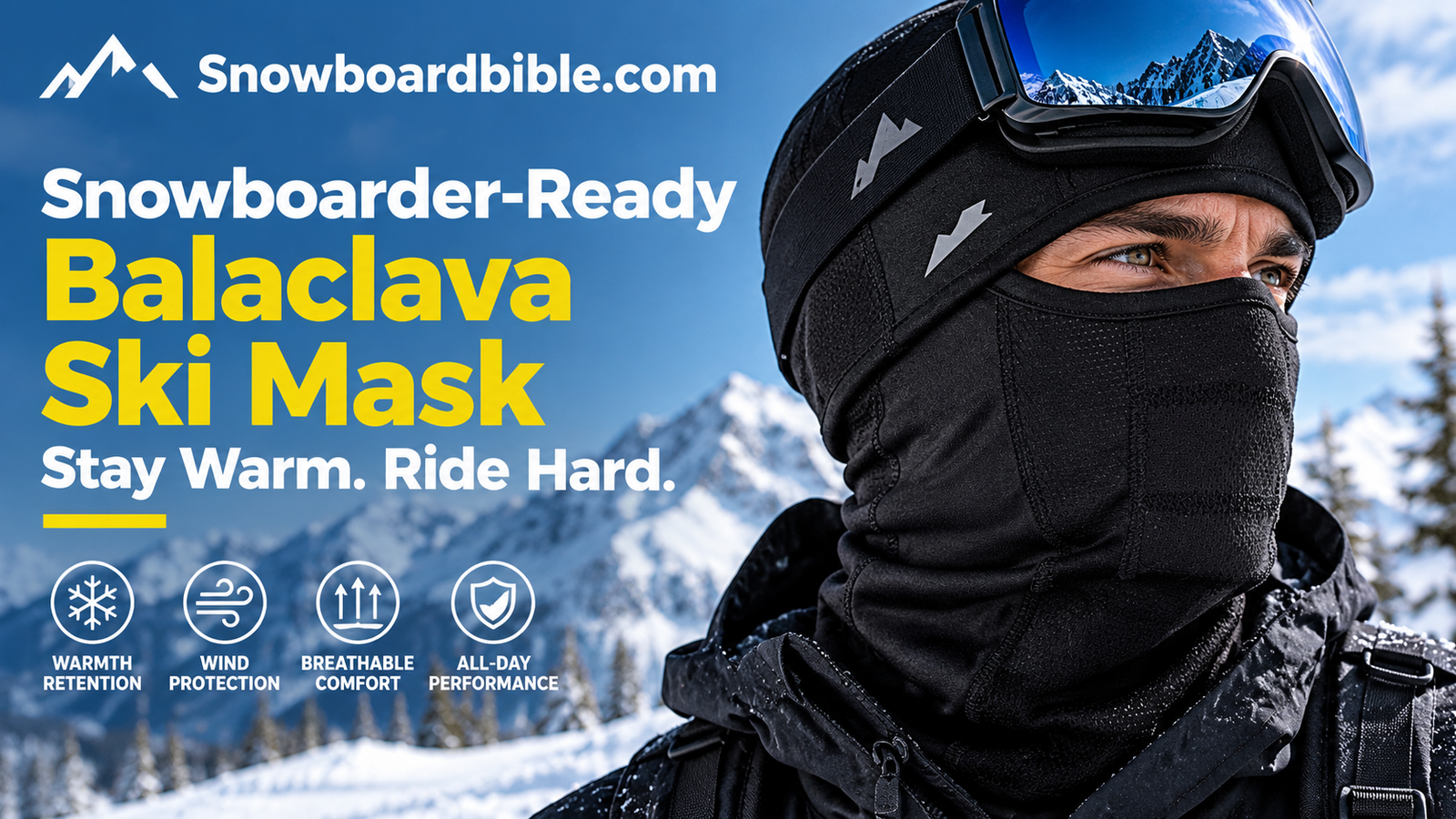
A good balaclava is the cheapest upgrade you can make to a cold-weather day on the snow.
Table of contents
- 1. The 7 Best Balaclavas for Snowboarding at a Glance
- 2. Why a Balaclava Belongs in Every Snowboarder’s Bag
- 3. How We Chose These Balaclavas
- 4. Balaclava Fabrics Explained: What Actually Keeps You Warm
- 5. Coverage Styles, Sizing and Fit: Getting the Shape Right
- 6. Reviews: Fuinloth and Tough Headwear
- 7. Reviews: ROXUN and Achiou
- 8. Reviews: Under Armour and Nike
- 9. ROCKBROS Review and Full Comparison
- 10. Building a Cold-Weather System Around Your Balaclava
- 11. Caring for Your Balaclava So It Lasts Several Seasons
- 12. Common Buying Mistakes and Cold-Weather Safety
- Frequently Asked Questions About Snowboarding Balaclavas
- Final Thoughts: Choosing the Right Balaclava for Your Mountain
Anyone who has ridden a chairlift into a cold crosswind knows the exact moment a bare face gives up. Your cheeks sting, your nose runs, your goggles fog, and the rest of the run turns into a negotiation with the weather. A good balaclava ends that negotiation before it starts. It is one of the cheapest pieces of snowboard gear you can buy, and it changes how long you can stay out and how much you enjoy the day.
This guide covers the 7 best balaclavas for snowboarding that we think deserve a spot in your jacket pocket. We look at the Fuinloth, Tough Headwear, ROXUN, Achiou, Under Armour Storm ColdGear, Nike and ROCKBROS options, and explain who each one suits. Along the way we cover fabrics, fit, coverage styles, helmet and goggle compatibility, care, and the buying mistakes that send people back to the shop in the first week. If you are still putting together your whole kit, our women’s snowboarding gear guide and the snowboard layering guide pair well with this one.
A note on how to read the product notes below: balaclava listings change often, and sellers update fabrics, sizing and colors without much warning. We describe each model by its style, its brand’s general approach and the way riders typically use it, and we encourage you to read the current listing for exact materials, sizes and reviews before you buy.
1. The 7 Best Balaclavas for Snowboarding at a Glance
If you only have a minute, this table gives you the shape of the field. Each balaclava below earns its place for a different reason, so we have not forced a single “winner.” The right choice depends on how cold your mountain gets, how much you sweat, and whether you ride in a helmet, a beanie or both.
| Balaclava | Best For | Style | Our Take |
|---|---|---|---|
| Fuinloth Balaclava Ski Mask | Everyday value | Full-face, thermal | A straightforward all-rounder for resort days |
| Tough Headwear Balaclava Ski Mask | Coldest mornings | Full-face, fleece-style | A warm, no-nonsense layer for deep cold |
| ROXUN Ski Mask Balaclava | Budget-minded riders | Full-face, wind-blocking | Good coverage without a big spend |
| Achiou Ski Mask for Men and Women | Shared or unisex sizing | Full-face, adjustable feel | Handy if two people in the house share gear |
| Under Armour Men’s Storm ColdGear Balaclava | Brand-trusted performance | Athletic, storm-ready | A familiar name in cold-weather base layers |
| Nike Unisex Balaclava | Lightweight, sporty fit | Athletic, slim | Clean look that slips under a helmet easily |
| ROCKBROS Windproof Thermal Balaclava | Windy, high-exposure days | Windproof thermal | Built with cold air on the move in mind |
Quick shopping rule: pick the thinnest balaclava that still keeps you comfortable on your coldest likely day, then add warmth with a neck gaiter or a beanie over the top. You can always add. It is much harder to cool down when you are sweating through a heavy mask halfway up the mountain.
How to use this list
Start with the “Best For” column and ask which line sounds most like your own days on the mountain. Then read the individual reviews in sections 6 through 9 for the details behind each pick. If two models sound equally appealing, choose the one whose style you prefer, because a balaclava you enjoy wearing is one you will actually bring along. The difference in performance between a well-chosen mid-priced mask and an expensive one is usually small compared with the difference between a mask that fits your face and one that does not.
Planning your budget
Balaclavas sit at the low end of snowboard spending, which makes them a good place to be practical. For the cost of a single lunch at the mountain you can usually own two, which lets you keep a thin one for most days and a warmer one for storms. If you are still gathering a full setup for the season, our guide to how expensive snowboarding is can help you decide where to spend and where to save.
A word on availability
Sizes, colors and prices change constantly, and a mask that is easy to find today may be out of stock next month. If you spot a model that fits your needs, it is often worth ordering before the first big storm, when demand rises and stock gets thinner. The links in this guide take you to the current listing so you can check what is available.
Ready to gear up? Check current options and reviews.
Shop snowboard balaclavas on Amazon2. Why a Balaclava Belongs in Every Snowboarder’s Bag
Snowboarding looks like a sport of motion, but a surprising amount of it is standing still, riding slowly, or sitting on a lift. Your torso generates heat. Your face does not. It sits out in front of the wind with almost nothing between it and the air, and every lift ride adds a few minutes of exposure at the exact speed that makes cold feel colder.
Wind chill is the real enemy
The temperature on the weather app tells you less than you would like. Move through air at speed, ride a chairlift in a breeze, or carve down an open bowl, and the effective cold on bare skin drops sharply. A balaclava sits between your skin and that moving air. Even a thin one breaks up the wind and traps a layer of warm air against your face, which is why riders often describe the difference as more dramatic than adding a second jacket.
It solves several problems at once
One piece of fabric ends up doing a lot of jobs:
- Face protection: shields cheeks, chin, nose and ears from windburn and cold-related skin damage.
- Neck coverage: closes the gap between your collar and helmet where cold air likes to creep in.
- Helmet comfort: adds a thin, soft liner between your head and the shell, which can make straps and padding feel better.
- Sun and glare control: on bright spring days, covered skin burns less, and a mask is often more comfortable than a layer of sunscreen you keep rubbing off.
- Flexibility: pull it down to your chin on the lift, up over your nose in a gust, or shove it in a pocket when the sun comes out.
Why beginners notice it most
New riders spend more time sitting in the snow, waiting for friends, and moving slowly, so they get cold faster than people who are warming up with constant speed. If you are just starting out, our snowboard beginner tips and the guide on whether snowboarding is hard to learn will help you plan your first days, and a balaclava is one of the easiest ways to make those days more comfortable.
When you might skip it
On warm spring days you may not need one at all. A lightweight neck gaiter or a beanie may be enough. Riders who tend to overheat sometimes prefer a very thin balaclava that doubles as a sweat-wicking layer. Our advice is to carry one every time, even if you leave it in your jacket. The day the wind picks up, you will be glad it is there.
How cold affects performance, not just comfort
Cold does more than make you uncomfortable. When your face and neck are chilled, your body tightens up, your shoulders rise and your jaw clenches. That tension travels down through your neck into your turns, and you ride stiffer than you realize. Riders often notice that once they warm up, their balance and flow come back. Keeping your face warm helps you stay loose, which matters when you are learning to link turns and absorb bumps. If you are working on technique, our guides to snowboard turns for beginners and how to carve on a snowboard assume you can stay relaxed for several hours, and a balaclava helps make that realistic.
The lift-ride problem
A typical chairlift ride lasts several minutes, and at many resorts the high lifts are the coldest, windiest spots on the mountain. You sit still, your body cools, and the wind speed over your face is whatever the lift is doing plus whatever the weather is doing. A balaclava turns that stretch from a test of endurance into a pleasant break. On cold days, many riders pull it up over the nose before loading and pull it down again at the top.
Cold-weather skin care
Windburn is real. It shows up as red, tight, sometimes flaky skin after a day in cold wind, and it tends to hit the cheeks, nose and chin first. Repeated exposure over a long season can leave skin dry and irritated. Covering the skin is the most reliable prevention, and a balaclava does it better than any cream. Pair it with a simple moisturizer or lip balm and you will arrive at the end of a week-long trip with a face that feels like your own.
Why it is worth carrying even on mild days
Mountain weather changes quickly. A warm morning can turn into a windy afternoon, and a cloud over the sun can drop the effective temperature in minutes. A balaclava weighs very little, takes almost no room in a pocket and gives you a fast answer to a sudden change. Think of it as insurance that costs less than a sandwich in the lodge.
Ready to gear up? Check current options and reviews.
See cold-weather face masks on Amazon3. How We Chose These Balaclavas
A balaclava looks simple, but small design decisions decide whether you forget you are wearing it or fight with it all day. We picked these seven by thinking about the full snowboard day, from the cold parking lot at the start to the last slow run home, and judged each against the same checklist.
Warmth without a sweat problem
The best balaclava keeps you warm when you are still and does not trap moisture when you are working. We looked for thermal designs that make sense for resort conditions and for fabrics riders generally trust for wicking.
Wind resistance
A thin fabric that blocks wind can feel warmer than a thick fabric that lets air pass straight through. Models with a windproof or wind-resistant approach scored well for open, exposed mountains.
Fit under a helmet and goggles
Bulk around the ears and forehead can make helmet sizing awkward and can break the seal on goggles. We favored masks that sit flat, stretch cleanly and do not bunch where a helmet strap or goggle frame passes. If you are shopping for a lid as well, read our guides on the best snowboard helmets and MIPS technology.
Breathability and fog control
Warm, damp breath that escapes upward is the leading cause of foggy goggles. A balaclava with decent airflow around the nose and mouth gives that moisture somewhere to go besides your lenses.
Comfort and softness
Seams, tags and coarse fabric rub when you wear them for six hours. We paid attention to flat stitching, soft inner surfaces and stretch that follows your face rather than pulling on it.
Value and range of sizes
A balaclava should cost less than a lift ticket and last several seasons. We balanced price against how well each style fits its purpose, and we included both unisex and brand-name options so more riders can find a match.
How we think about each rider type
No single balaclava suits everybody, so we also thought about who is likely to be wearing it. A beginner who spends long periods standing and falling needs warmth and coverage first. A park rider who is constantly moving wants a mask that stays put through jumps and does not slip over their eyes. A backcountry rider climbing uphill needs breathability above all, and a rider who commutes to the mountain in a cold car needs something comfortable enough to leave on in the parking lot. Our descriptions of each balaclava are written with these different riders in mind, so you can match the mask to your own habits instead of buying purely on price.
What we did not weigh heavily
We did not reward flashy marketing, and we did not assume that a higher price meant better performance. A balaclava is a simple product, and its job is mostly done by a well-chosen fabric and a good cut. We also paid less attention to colors and patterns, since personal style is personal. If you like something bold or something quiet, any of the seven comes in options that should suit you, and the listings will show what is currently available.
Questions to ask yourself before you buy
- What is the coldest weather I regularly ride in?
- Do I tend to run hot, cold or somewhere in the middle?
- Will I wear it under a helmet every time?
- Do I need a mask I can share with a partner, friend or child?
- Do I want one mask for everything, or a thin one and a warm one?
Answering those five questions narrows the field faster than any spec sheet, and it keeps you from paying for features you will not use.
Ready to gear up? Check current options and reviews.
Compare balaclava options on Amazon4. Balaclava Fabrics Explained: What Actually Keeps You Warm
When people talk about warmth, they usually mean thickness. In a balaclava, fabric type matters just as much as thickness, because your face makes moisture constantly. Breath, sweat and melting snow all end up inside the mask, and the way a fabric handles that moisture decides whether you stay comfortable.
Polyester and synthetic knits
Most budget and mid-priced balaclavas rely on polyester or similar synthetic knits. These fabrics dry quickly, resist stretching out and tolerate frequent washing. Many are brushed on the inside to create a soft, slightly fuzzy surface that traps warm air. For most resort riders, a synthetic balaclava is the practical, durable choice.
Fleece and thermal lining
Fleece is the classic cold-weather fabric. It traps a layer of warm air, feels soft against skin and is easy to wear. The trade-off is that very thick fleece can feel hot when you are working hard and can hold moisture near your mouth and nose on long days. Look for thermal balaclavas that use a thin fleece lining, or ones that combine a fleece section around the neck with a thinner, more breathable panel across the face.
Spandex and elastane blends
A small percentage of elastic fiber is what lets a balaclava stretch to your face and snap back after dozens of washes. A mask with no stretch tends to shift around under goggles, so a bit of elastane is a good sign.
Windproof membranes and coated fabrics
Some designs add a windproof layer on the front panel, which blocks gusts but breathes less. This approach works best on exposed ridgelines and during fast riding. It can feel stuffy during slow uphill walks or hike-to terrain, so riders who do a lot of hiking often prefer a more breathable option.
Merino wool
Merino is soft, naturally odor-resistant and warm even when slightly damp, and it is a favorite for base layers. It is also more expensive and a little more delicate in the wash. If you are curious about natural versus synthetic fabrics in general, our comparison of merino wool vs synthetic base layers covers the same trade-offs in detail, and most of it applies directly to balaclavas.
A simple way to choose
- Cold, dry climates: thermal fleece or a brushed synthetic with some wind resistance.
- Wet, mild climates: a thinner synthetic that dries fast, because damp cold is harder on a heavy mask.
- High-exertion riders: breathable, lightweight stretch fabrics that move moisture away from your skin.
- Sensitive skin: soft, flat-seamed fabrics with no rough labels at the chin or neck.
If you are putting together a complete system, the fabrics in your balaclava should work with your base layer and mid layer, not against them. Our guides to the best mid-layers for snowboarding and the best snowboard socks explain the same ideas for the rest of your body.
Weight, knit and finish: details that matter
Two balaclavas made from the same base material can feel completely different because of how the fabric is knit and finished. A dense, tight knit blocks wind better, but it breathes less. A looser, more open knit lets moisture escape, but it also lets cold air through. Brushed interiors feel warmer against skin, while smoother interiors tend to dry faster and slide more easily under a helmet. When you read a listing, look for words such as thermal, brushed, windproof, stretch and moisture-wicking, and think about how the combination fits your day.
Seams and construction
Flat seams or minimal seams make a noticeable difference over a long day. A raised seam that runs across your cheek or forehead can rub, especially when you are wearing goggles that press the fabric against your skin. Check customer photos if you can, and pay attention to comments about itching or pressure points. A balaclava that disappears on your face is usually the one you will wear most.
Odor and bacteria
Because the mask sits over your mouth, it picks up odor more than almost any other piece of snow gear. Synthetic fabrics dry quickly but can hold odor if they are not washed regularly, while merino naturally resists it. If you plan to wear the same balaclava for a week-long trip, consider either a wool-blend option or bringing two synthetic ones and rotating them.
The role of a base layer for your head
Think of a thin balaclava as a base layer for your face. A base layer’s job is to move moisture away from your skin and leave insulation to the layers above it. The same logic applies here: let the balaclava manage moisture, and let a beanie, hood or gaiter handle extra warmth. Riders who follow this pattern end up with a setup that adjusts to changing weather, rather than a single thick layer that is either too much or not enough.
Ready to gear up? Check current options and reviews.
Shop thermal balaclavas on Amazon5. Coverage Styles, Sizing and Fit: Getting the Shape Right
Before you compare brands, decide what kind of balaclava you want. The shape matters as much as the label, and buying the wrong style is the most common reason riders end up disappointed.
Full-face (single opening)
A classic ski-mask style leaves a single opening for your eyes, or an opening that frames the eyes and brow. It gives the most coverage across nose, cheeks and chin, and it works well in strong wind or deep cold. The downside is that it can feel confining if you are not used to it, and the fabric around your nose and mouth can get damp.
Hinged or convertible designs
Some balaclavas have a lower section that pulls down off your face and sits around your neck like a gaiter. This makes it easy to adjust through the day: covered on the chairlift, uncovered while you chat or drink water. If your day involves a lot of lift rides and lodge breaks, convertibility is worth looking for.
Hood-style balaclavas
A longer, hooded cut extends over the head and down onto the shoulders, tucking neatly under a jacket collar. It gives the most seamless protection against drafts, but it adds bulk around the neck and can interact with high jacket collars and helmet straps.
Lightweight athletic liners
Slim, stretchy designs from athletic brands act more like a thin base layer for your head. They fit easily under a helmet, rarely interfere with goggles and suit riders who run warm.
How to size a balaclava
Fit should feel snug, not tight. The fabric should hold against your skin without creating pressure on your jaw or forehead. Check the following before you commit:
- Eye opening: it should not pull at the corners of your eyes or block peripheral vision.
- Nose bridge: the mask should not dig into your nose or press into the bridge where goggles sit.
- Neck length: enough to tuck into your jacket or base layer without riding up when you turn your head.
- Ear coverage: a snug fit over the ears without squashing them against your helmet liner.
- Head size: if you have a larger head or lots of hair, size up or choose a model advertised as stretchy.
Helmet and goggle test
Always try a balaclava on with your actual helmet and goggles. A mask that feels perfect at home can bunch up behind the ears once a helmet goes on. If you have not chosen goggles yet, read our guides to the best snowboarding goggles and the comparison of photochromic vs polarized goggles, and if you wear prescription lenses, take a look at how to snowboard with glasses.
Fit for different face and head shapes
Faces vary a lot, and balaclava patterns do not always account for that. Riders with narrow faces may find that a loose mask gaps at the cheeks and lets air in, while those with wider faces may feel pressure across the cheekbones. Stretch fabrics help, as does a longer neck, which gives the mask room to settle. If you have a beard, a slightly looser, softer fabric avoids pulling on your facial hair and is more comfortable over a long day.
Hair, ponytails and braids
Long hair is easier to manage with a balaclava than most people expect. A low ponytail or braid usually sits under the mask and out of the way of the helmet. A high ponytail can create a bump that makes helmets sit awkwardly, so move it lower or switch to a bun at the base of the skull. Try the full setup at home before your first day on the snow.
Kids and teens
Adult balaclavas tend to sit loosely on children, which lets cold air in and slips over their eyes. If you are buying for a young rider, look for a youth-specific size. Our guide on the best age to teach a child to snowboard and the comparison of skiing vs snowboarding for kids include additional gear considerations for younger riders.
When a balaclava is not the right tool
Some riders find any face covering claustrophobic. If that is you, a neck gaiter you can pull up and down at will may be a better choice, and a beanie or helmet liner covers the ears and head. There is no rule that says you must wear a balaclava, only that your face needs protection when the weather turns. Choose the format you will actually keep on.
Ready to gear up? Check current options and reviews.
Find your balaclava style on Amazon6. Reviews: Fuinloth and Tough Headwear
These two models cover the “just get me a warm face mask” end of the market. They are the kind of balaclavas you throw in your bag on a cold Saturday and forget about until you need them.
Fuinloth Balaclava Ski Mask

The Fuinloth is the kind of balaclava many riders pick up as their first. It follows the familiar full-face ski mask format, with a stretchy thermal fabric that covers your neck, chin, cheeks and nose, leaving room for your goggles. Its appeal lies in how little it asks of you. There are no complicated zippers or adjusters, just a soft pull-on mask that does its job.
How it feels on the mountain
On a cold morning lift ride, a mask like this makes an obvious difference. The fabric blocks the wind that normally finds your cheeks, and the neck section seals the gap between your jacket and helmet. Riders who tend to feel cold around the jaw and throat tend to appreciate the extra length.
Who it suits
This is a solid pick for recreational riders who spend most of their time at resorts and want a dependable, no-fuss layer. It also works well as a backup mask to keep in your car or your snowboard bag, because it is easy to stuff into a pocket.
Pros
- Simple pull-on design that is easy to wear
- Good face and neck coverage for cold days
- Pairs easily with a helmet and goggles
- Practical value for casual riders
Cons
- May feel warm for hard-charging riders on mild days
- Check the current listing for exact sizing guidance
Tough Headwear Balaclava Ski Mask

Tough Headwear has built its name around practical, cold-weather head and face gear, and this balaclava follows that pattern. It leans toward a warmer, fleece-style approach, which makes it appealing on the kind of morning when your breath freezes before it leaves your face. If you ride in a cold climate, or you are the person who feels it first when the wind picks up, this one earns a close look.
How it feels on the mountain
Fleece-style balaclavas feel cozy right away, and the benefit shows during long chairlift rides and slow, exposed traverses. The trade-off is that thicker fabric can make you feel overdressed on bluebird days, so many riders treat it as a cold-day tool rather than an all-season choice.
Who it suits
Pick this if you ride early in the season, ride at high altitude or live somewhere with proper winters. It also works for night riding, when temperatures drop quickly once the sun goes down. Riders who often feel cold around the nose and ears should find it reassuring.
Pros
- Warm, comfortable approach for deep cold
- Strong coverage across neck, chin and cheeks
- A trusted name in cold-weather headwear
- Works well for night sessions and early starts
Cons
- Can be too warm for spring conditions
- Thicker fabric needs more room under a snug helmet
If your mountain is cold and windy, the Tough Headwear is the better starting point. If your days vary a lot, the Fuinloth’s simpler design makes it easier to keep in your bag all season.
Ready to gear up? Check current options and reviews.
Browse fleece balaclavas on Amazon7. Reviews: ROXUN and Achiou
These two models focus on practical value and broad appeal. They suit riders who want solid coverage without paying for a big-brand logo, and they work well as everyday gear or as a spare for a friend who forgot theirs.
ROXUN Ski Mask Balaclava

The ROXUN takes the standard ski-mask format and aims it at riders who care about wind. The design concentrates on blocking cold air from the face and neck, and it fits the usual pattern of a stretchy, pull-on balaclava that you can wear alone or tuck under a hood or helmet.
How it feels on the mountain
Wind-focused balaclavas shine on open terrain. Think breezy chairlifts, wide bowls and the last cold run down to the base. The mask keeps the chill off your skin and makes it far easier to leave your face covered for the full descent instead of pulling it down to breathe.
Who it suits
This is a good fit for riders who want a straightforward, wind-resistant layer at a friendly price. If you ride in the northern states, in the Alps or in Japan where cold fronts can sweep through, a model like this earns its keep. Our guides to snowboarding in Colorado and Japan snowboarding trips explain how different the cold can feel from one region to another.
Pros
- Wind-conscious design for exposed days
- Easy, no-fuss pull-on style
- Budget-friendly for casual riders
- Packs down small
Cons
- Fit varies with head size, so read the sizing notes
- Less brand history than the big names
Achiou Ski Mask for Men and Women

The Achiou is marketed for both men and women, which makes it a convenient pick for couples, families and friends who share gear. It uses the same full-face ski mask idea as the others in this section and focuses on a comfortable, adjustable-feeling fit for different head shapes.
How it feels on the mountain
A unisex balaclava rewards riders who sit between sizes. The stretch in the fabric helps it adapt to both narrower and broader faces, and the cut leaves room at the neck so it layers cleanly under a jacket. Riders who tie their hair back or wear it long often find it easier to manage than a snug, hooded style.
Who it suits
Choose the Achiou if you want one balaclava that works for several people in your group, or if you are buying a gift and are not sure about exact measurements. Women who want a gender-neutral option will also like that it avoids a “men’s cut” pattern. For more on gear that fits women’s proportions, see our women’s snowboarding gear page.
Pros
- Unisex positioning makes sharing easy
- Stretch fit adapts to many head shapes
- Great gift option when exact size is unknown
- Compatible with most helmets and goggles
Cons
- One-size styles may not suit very small or large heads
- Read recent reviews for fabric feel before you buy
Between the two, the ROXUN is the pick for wind and exposed terrain, while the Achiou works better if flexibility of fit is your priority.
Ready to gear up? Check current options and reviews.
See unisex ski masks on Amazon8. Reviews: Under Armour and Nike
These two athletic-brand balaclavas aim at riders who want a sleek, performance-minded layer. They tend to be thinner and more technical than a basic fleece mask, which suits riders who run warm and pair them with a helmet.
Under Armour Men’s Storm ColdGear Balaclava

Under Armour’s ColdGear line is built around cold-weather athletic layering, and the Storm designation refers to the brand’s water-resistant finish approach for wet, wintry conditions. In a balaclava, that means a technical fabric that is meant to keep you warm without feeling bulky.
How it feels on the mountain
This style sits close to the skin, similar to a base layer for your head. It slides under a helmet with very little fuss and does not fight with goggle straps. Riders who like a clean, minimal setup will appreciate how light it feels, and those who work up a sweat on long runs usually prefer the technical, wicking approach over a heavy fleece.
Who it suits
Pick the Under Armour if you want athletic-fit gear from a brand you already trust, and if you plan to layer a neck gaiter or beanie over it on the coldest days. It is a smart choice for riders who also hike, run or train outdoors in winter, because it does not feel like a niche ski accessory. If you are building a fitness base for the season, our fitness guide for snowboarding and the article on how many calories snowboarding burns are a good next read.
Pros
- Familiar brand with a cold-weather focus
- Slim fit slides easily under a helmet
- Technical fabric approach for active riders
- Works for other winter sports
Cons
- Marketed as men’s, so check sizing if you want a different fit
- May need an extra layer on the coldest days
Nike Unisex-Adult Balaclava

Nike’s balaclava brings the brand’s athletic approach to cold-weather head and face coverage. It is generally a lighter, sporty piece that suits riders who prefer a clean look and an easy fit over maximum insulation.
How it feels on the mountain
Because it is slim, the Nike works best as a layer that you control. Add a beanie or neck gaiter when the temperature drops, and strip back when the sun is high. It sits neatly under a helmet and does not add pressure around the ears, which riders with snug helmets tend to appreciate.
Who it suits
Choose the Nike if you want a unisex, understated balaclava for mixed conditions, or if you often switch between snowboarding and other cold-weather workouts. It also pairs well with a layered outfit, as laid out in our layering guide. If you wear a beanie for casual days, our recommendations for the best snowboard beanies may help you build a two-piece system.
Pros
- Unisex athletic fit
- Slim profile suits helmets and goggles
- Recognized brand and clean styling
- Flexible for mixed-temperature days
Cons
- Lighter insulation may not be enough for extreme cold alone
- Higher price than some basic masks
The Under Armour leans a bit more toward cold-weather performance, while the Nike leans toward everyday versatility. Either one is a good partner for a helmet-based setup.
Ready to gear up? Check current options and reviews.
See athletic balaclavas on Amazon9. ROCKBROS Review and Full Comparison
The last balaclava on our list takes aim at the problem many riders complain about most: cold air that slices through fabric when you are moving fast. After the review, we put all seven side by side and match each one to a type of rider.
ROCKBROS Windproof Thermal Balaclava Ski Mask

ROCKBROS is best known for cycling and outdoor gear, which is a useful background for a balaclava. Cyclists deal with fast-moving cold air all the time, so brands in that world tend to think hard about wind. This model combines a thermal feel with a windproof approach and aims it at winter riders who want a mask that works on exposed, breezy days.
How it feels on the mountain
Windproof designs reward you on the fast runs. Where a loose knit lets the wind slip through and chill your cheeks, a mask with a wind-blocking approach keeps that air outside. The compromise is breathability, so take the time to find the balance that suits you. Riders who hike for turns or boot-pack to a ridge may want to pull it down during the climb and pull it back up when the descent begins.
Who it suits
This is the pick for riders on high, open mountains where gusts are common, for people who ride fast and for anyone who also cycles or runs in cold conditions and wants one mask for all of it. If you ride beyond the resort, read our backcountry snowboarding guide and the backcountry safety protocol before heading out, because cold management is only one part of staying safe there.
Pros
- Wind-focused thermal approach
- Good fit for fast, exposed riding
- From a brand used to cold air at speed
- Multi-sport versatility
Cons
- Windproof panels breathe less during hard effort
- May feel too warm on mild days
Side-by-side comparison
| Model | Warmth Approach | Wind Resistance Focus | Helmet Friendliness | Best Use |
|---|---|---|---|---|
| Fuinloth | Thermal, all-round | Moderate | High | Everyday resort riding |
| Tough Headwear | Warm, fleece-style | Moderate | Medium | Deep cold and night riding |
| ROXUN | Thermal, wind-minded | High | High | Exposed, breezy mountains |
| Achiou | Stretchy thermal | Moderate | High | Shared or gifted gear |
| Under Armour ColdGear | Technical, close-fitting | Moderate to high | Very high | Active riders who run warm |
| Nike | Lightweight athletic | Light | Very high | Mixed and milder days |
| ROCKBROS | Windproof thermal | Very high | High | Fast riding and high exposure |
Which one should you buy?
- Coldest climates: Tough Headwear, with ROCKBROS as the windproof alternative.
- Best value for most riders: Fuinloth, ROXUN or Achiou, depending on the fit and style you prefer.
- Sleekest under a helmet: Under Armour or Nike.
- Best for sharing or gifting: Achiou, because of its unisex positioning.
- Best for fast, open terrain: ROCKBROS, with the ROXUN close behind.
Many experienced riders own two balaclavas: a thin, breathable one for most days and a warmer or windproof one for the worst weather. At this price point, that is easier than it sounds, and it removes the guesswork from packing for a mountain whose forecast keeps changing.
Ready to gear up? Check current options and reviews.
Shop windproof balaclavas on Amazon10. Building a Cold-Weather System Around Your Balaclava
A balaclava is only one piece of a system. When all the parts work together you stay warm without overheating, and when one piece is wrong, the whole outfit feels off. Here is how to fit it in.
Helmet first, then mask
Wear your balaclava under the helmet and adjust the helmet last. Most riders find that a thin balaclava requires no change in helmet size, while a thick fleece mask may call for loosening the chin strap or going up a size. Our guide on whether you need a helmet to snowboard explains why a lid is worth wearing in the first place, and the roundup of the best snowboard helmets can help you choose one with ventilation that suits your mask.
Goggles and fog control
Goggles fog when warm, wet air meets a cold lens. A balaclava can either fix this or make it worse. The key is to keep the fabric away from the vent area of your goggles and to guide your breath downward. Pull the top edge of the mask up to just below your goggle frame, no higher. A mask that blocks the lower goggle vents will trap moisture exactly where you do not want it. See our best snowboarding goggles recommendations for models with better ventilation.
Jacket collar and neck seal
Tuck the bottom of your balaclava into your jacket collar, or let the jacket collar close over it. This closes the draft channel at your neck. A good outer layer matters here, so check our list of the best snowboard jackets if yours has a loose or low collar.
Hands and feet
Your face is only part of the story. Cold hands and feet will ruin a day just as fast, and the debate between mittens vs gloves is worth reading if you struggle with cold fingers. Our explainer on why snowboarders wear mittens and the best snowboard gloves list will help you pick the right pair, while snowboard socks deserve the same attention as your mask.
Base layers and mid layers
The warmth you feel in your face is partly delivered by the rest of your body. If your torso is cold, blood flow to your extremities drops, and your face feels it too. A wicking base layer and a flexible mid layer keep the heat engine running. Our layering guide walks through the whole stack, and the comparison of snowboard pants vs ski pants covers the lower half.
Rain, slush and wet days
Wet conditions call for a thinner balaclava that dries quickly, because damp insulation makes you colder than dry thin fabric. If you ride in mild, soggy weather, read can you snowboard in the rain for strategies that go beyond your mask.
Where to ride in your balaclava
If you are planning a trip and want somewhere properly cold to test your setup, browse the best snowboarding destinations, Utah snowboard resorts and European ski resorts. Cold, dry powder days are exactly when a good balaclava pays for itself.
Matching your mask to the season
Early winter and late winter feel very different on snow. In December and January, many resorts have cold, dry air and early-morning temperatures that call for a warmer mask, and you may want a fleece-style or windproof design. In spring, mornings can be crisp while afternoons turn warm and slushy, so a thin, breathable balaclava or a gaiter keeps you comfortable across the whole day. If you are buying only one, choose a middle-weight option you can layer under or over as needed.
Layering on the coldest days
On days that feel truly harsh, think in terms of a stack: a thin balaclava against the skin, a beanie or helmet liner over it where space allows, a neck gaiter over the lower face, and goggles with good ventilation over the top. Each piece traps a little more warm air without adding too much bulk, and you can peel pieces off as conditions change. It also gives you backup if one layer gets damp.
Tune your kit before you travel
If you are planning a bigger trip, test everything at a local hill or even in the yard on a cold day. Check that your helmet fits comfortably, that the goggles seal properly and that nothing creates pressure points. Small problems are easy to solve at home and very annoying on a trip you have paid for. If you are also getting your board ready, our guides to snowboard maintenance and the best snowboard bags are good companions for the trip.
Ready to gear up? Check current options and reviews.
Complete your cold-weather kit on Amazon11. Caring for Your Balaclava So It Lasts Several Seasons
A balaclava spends a lot of time against your face, which means it absorbs breath moisture, sweat, sunscreen and the natural oils your skin produces. Treat it like a base layer and it will keep its stretch, softness and wicking for years.
Wash it often
After a few days of use, wash it. Odor builds quickly in a mask that sits over your mouth, and bacteria thrive in warm, damp fabric. Check the care label on the specific model, but a gentle machine cycle with cool or lukewarm water and a mild detergent works for most synthetic balaclavas. Put it in a laundry bag to stop it from snagging on zippers or hooks.
Skip the fabric softener
Fabric softener coats fibers and can reduce how well a technical fabric wicks moisture. If you want to keep it fresh, use a gentle detergent made for athletic wear and rinse thoroughly. White vinegar in the rinse cycle is a common home trick for odor, but patch-test it on a hidden section first and follow the care label.
Dry it carefully
Air drying is gentlest. Lay it flat or hang it somewhere with good airflow, away from direct heat. High-heat dryers can damage elastic fibers and make a stretchy mask permanently baggy. If you must use a dryer, choose a low setting and check the label.
Dry it between days, not just after the trip
On a multi-day trip, take your balaclava out of the bag each evening and hang it near, but not on, a heater. A mask that starts the day damp will feel colder and may freeze against your skin during the first lift ride. Carrying a spare is the easiest fix, and it takes up almost no space. The snowboard bag packing checklist is a handy place to add one.
Inspect for wear
Look for thinning spots near the nose and mouth, stretched-out elastic around the eye opening and loose stitching near the seams. When the mask no longer holds against your face, it is time to retire it. A worn balaclava slips under goggles and lets wind in, which defeats its purpose.
Protect your skin too
Even covered skin benefits from a layer of moisturizer or balm under your balaclava, especially around the nose and lips. Apply sunscreen to any skin that remains exposed, because snow reflects ultraviolet light and a thin mask does not guarantee protection. Taking care of your body also reduces avoidable pain on the mountain, which our article on injury prevention in snowboarding covers in more detail.
Storing it between seasons
At the end of the season, wash your balaclava, let it dry completely and store it somewhere cool and dry. Avoid sealing it in a damp bag, since that invites mildew and odor. Storing it flat or loosely folded helps the stretch fibers keep their shape. When next winter arrives, you will have a mask that feels fresh instead of one that smells like last spring.
Dealing with pilling and fuzz
Brushed fleece interiors and soft knits can pill after repeated washing and wearing. A fabric shaver or a gentle lint remover can clear light pilling without damaging the material. Turning the mask inside out before washing also reduces friction on the visible side.
When to replace it
A good balaclava should last several seasons, but daily use shortens its life. Replace it if the stretch no longer holds, if it stays smelly after washing, or if you notice thin patches around the nose and mouth. Because balaclavas cost far less than most other gear, replacing one when it wears out is a sensible way to keep your system working properly.
Ready to gear up? Check current options and reviews.
Browse gear care essentials on Amazon12. Common Buying Mistakes and Cold-Weather Safety
Most balaclava regrets come from a handful of avoidable errors. Knowing them in advance saves you money and spares you a miserable first run.
Mistake 1: Buying the thickest one available
Thicker is not always warmer. A heavy mask can trap sweat, and once that moisture cools, you feel colder than you would in a thinner layer. Match thickness to your climate and your effort level, and use layers to adjust.
Mistake 2: Ignoring the helmet
Many riders try a balaclava at home, then discover it bunches behind their ears on the mountain. Test it with your helmet, your goggles and any beanie or hood you plan to use.
Mistake 3: Blocking goggle vents
Placing the top edge of the mask over the lower goggle vents is the quickest route to fog. Keep fabric clear of the vents, and aim your breath down and away.
Mistake 4: Choosing style over function
A balaclava can look cool, but warmth and comfort should win. Pick the one that works first, and the style comes with it.
Mistake 5: Buying the wrong size on a tight budget
A mask that is too small pulls on your face, and one that is too large lets wind in. Read the sizing notes and customer comments, and consider the stretch and your head shape.
Mistake 6: Forgetting a spare
The first time your mask gets soaked in a snowy fall or a sudden wet storm, you will wish you had packed a second. They are light enough to carry two.
Safety: know the signs of cold injury
A balaclava reduces risk, but it does not remove it. Skin that turns white, waxy, numb or very hard needs attention. If you notice these signs on your cheeks, nose, ears or fingers, get indoors, warm the area gently and seek medical help if the numbness does not go away. Do not rub frostbitten skin. If you are riding in extreme cold, buddy up so someone can notice early signs on your face that you cannot feel yourself.
Take care of your breathing, too. Covering your mouth and nose in very cold air warms it slightly, which many people find easier on the lungs. If you ever feel short of breath, dizzy or unwell, stop and rest. A mask should never restrict your breathing, so if one feels too tight, choose a different style.
Safety on the slopes more broadly
Cold management sits alongside every other safety habit on the mountain. Review snowboard fall safety, learn how to stop and be honest about why snowboarding is dangerous. If you are weighing the overall cost of the sport, our guide to how expensive snowboarding is shows how a small purchase like a balaclava fits the bigger picture, and for timing your bigger gear buys, see the best time to buy snowboarding gear.
Matching expectations to the product
A balaclava is a simple piece of clothing, and it will not solve problems caused by an outfit that is wrong elsewhere. If your jacket lets in wind at the collar, if your goggles do not fit your face or if your layers are damp, a balaclava can only help so much. Think of it as one piece in a team, and judge it by how well it works together with the rest.
Reading reviews wisely
Customer reviews are useful, but read them with context. Look for comments from people who ride in conditions similar to yours, who have a similar head size and who use the mask with a helmet. A review from someone using it for a different activity may not tell you what you need to know. Pay attention to repeated comments about sizing and fabric feel, and treat one-off complaints with some caution.
Think about the whole season
Your needs can change over a winter. A mask that feels perfect in January may feel heavy in March. If you ride often, buying two inexpensive masks of different weights usually beats buying one expensive one. It is also easier to rotate masks on a long trip, which keeps each one fresher.
Ready to gear up? Check current options and reviews.
Pick your balaclava on AmazonFrequently Asked Questions About Snowboarding Balaclavas
What is the best balaclava for snowboarding?
The best balaclava depends on your climate and riding style. For deep cold, a fleece-style option like the Tough Headwear is hard to beat. For windy, open terrain, the ROCKBROS and ROXUN are strong choices. For a slim fit under a helmet, look at the Under Armour or Nike. For general resort use at a good price, the Fuinloth and Achiou work well.
Do you wear a balaclava under or over a helmet?
Under. A balaclava is designed to sit against your skin, with the helmet over the top. Putting it on first lets the helmet hold everything in place, keeps the mask from shifting and avoids a bulky look. Adjust the chin strap after the mask is on, so the helmet fits correctly.
How should a balaclava fit?
Snug but not tight. It should stay in place without pressure on your jaw, nose or forehead, and the eye opening should not pull at the corners of your eyes. Test it with your helmet and goggles, because a mask that feels right at home may bunch under gear.
Will a balaclava make my goggles fog?
It can, if the fabric blocks the vents or pushes warm breath upward. Keep the top edge of the mask below the goggle frame, choose a breathable fabric and make sure your breath can escape downward. Good goggle ventilation matters just as much as the mask.
Is a balaclava better than a neck gaiter for snowboarding?
Neither is strictly better. A balaclava covers more of your head, ears and neck and stays put under a helmet. A neck gaiter is more flexible, easier to pull up and down and better for mild days. Many riders carry both and choose based on the forecast.
How warm should a snowboard balaclava be?
Pick the thinnest one that keeps you comfortable on your coldest likely day. You can add a beanie, hood or gaiter over it when it gets colder. Too much insulation leads to sweat, and damp fabric makes you feel colder over time.
Can I wear a balaclava with glasses?
Yes, but it takes some adjustment. Choose a mask with a comfortable nose opening, and make sure the upper edge does not push against your frames. Wearing goggles that fit over glasses is usually easier than wearing glasses under a tight mask.
How often should I wash my balaclava?
After every few days of use, or sooner if it smells or feels damp. Use a gentle cycle, mild detergent and air drying. Skip fabric softener, which can reduce wicking in technical fabrics.
Are balaclavas safe for breathing in cold air?
Generally, yes. Many riders find that covering the mouth and nose warms the air slightly, which feels more comfortable in deep cold. If a mask feels restrictive or you struggle to breathe, stop and choose a looser style.
Do men and women need different balaclavas?
Not usually. Most balaclavas are unisex or stretchy enough to fit different faces. Pay more attention to head size, hair length and how the mask works with your helmet than to the gender label on the listing.
What is the difference between a balaclava and a ski mask?
In everyday use, the terms often mean the same thing. A balaclava covers the head, neck and most of the face, leaving an opening for the eyes or face. “Ski mask” is a popular label that sellers use for this kind of cold-weather balaclava, as in several products we reviewed here.
How many balaclavas should I own?
Two is a practical number: one thin and breathable for most days, and one warmer or windproof for harsh weather. A spare also helps if the first one gets wet or you are on a multi-day trip.
Final Thoughts: Choosing the Right Balaclava for Your Mountain
A balaclava will not make you a better rider, but it will keep you out on the snow longer, which is how riders improve. Cold, stinging wind pushes people into the lodge early, while a warm face keeps you going for one more run, one more lap and one more attempt at the thing that did not work earlier.
Among the seven we covered, the Tough Headwear and ROCKBROS suit the harshest conditions, the ROXUN and Fuinloth deliver practical everyday value, the Achiou is a flexible shared or gift option, and the Under Armour and Nike offer a sleek athletic fit. Choose the one that matches your climate, test it with your helmet and goggles, and keep a spare in your bag.
When you are ready, pick your favorite below, and take a look at the guides that follow to round out the rest of your kit.
Your simple next steps
First, decide how cold your usual days are and whether wind is the bigger problem. Second, pick a style that suits your helmet and goggles. Third, choose from the seven models above and read the current listing for fabric and size details. Finally, bring it to the mountain, adjust it on the first lift ride and make small tweaks until it disappears on your face. After a day or two you will know whether you want a second mask for harsher weather.
If you have a favorite we did not cover, or a tip for fighting goggle fog, we would love to hear it. Every rider has a slightly different setup, and the best advice usually comes from people who ride in conditions like yours.
Keep building your kit
A balaclava is a great first step, but a complete winter system covers your head, hands, feet, body and board. The guides below walk through the rest of the setup, from boots and bindings to goggles, helmets, jackets and tuning supplies, so you can arrive at the mountain prepared for whatever the forecast throws at you.
Ready to gear up? Check current options and reviews.
Find your balaclava on AmazonYou May Also Like
More snowboard guides, reviews and how-tos from the same team.


